

After years of working for video game giants in California like 2K, Blizzard and Netflix Games, Wisconsin native Ben Kvalo had a vision for publishing games in his native Midwest.
Kvalo, who founded Midwest Games in 2023 when he moved back to Wisconsin, said it would not have been possible without the support of the Wisconsin Economic Development Corporation and TitletownTech, a venture capital firm formed by the Packers and Microsoft, in Green Bay.
“WEDC offers the QNBV (Qualified New Business Venture) credit to investors, which we took advantage of,” said Kvalo, who also serves as CEO of the seven-person company. It offers incentives for investors to put their money into early-stage Wisconsin businesses, and Kvalo said “it helped us land a few we wouldn’t have gotten besides that.”
Wisconsin has had some success as a home to independent developers and large triple-A studios — studios that make large budget video games — like Raven Software, which is now owned by Activision.
And educational institutions in the state are helping train the next generation of video game developers. The University of Wisconsin-Stout offers a bachelor’s degree in game design & development and UW-Madison has an interdisciplinary game design certificate program. Madison College also offers courses in digital game design.
But the state has a sharp climb to make to reach the notoriety of San Francisco, Seattle or Austin as a video game development and publishing hub. Some in the local game industry hope recent momentum from a growing gaming conference, legislation that would offer tax incentives to developers, plus greater support from the state could turn Wisconsin into a burgeoning development hub.

Wisconsin’s video game scene
According to the Entertainment Software Association, the video game industry has a $486.6 million economic impact on Wisconsin and generates $12.6 million in tax revenue for the state.
It also reports that 1,737 total jobs are supported by the industry, 795 directly, and 942 indirectly. And Wisconsin has 36 software companies, eight college programs focused on gaming and 10 varsity esports teams.
In terms of local gaming companies, Wisconsin has had a mixed bag of success and failures.
Raven Software has been around for 35 years, creating hits like Singularity, Marvel: Ultimate Alliance and Hexen. It also works as one of multiple studios on the Call of Duty franchise, estimated to be worth over $30 billion. Even so, it has not been insulated from layoffs, with roughly 20 people let go in July, even after Call of Duty broke sales records.
Human Head Studios was founded in 1997 and closed in 2019. That team later formed a studio under ZeniMax Media Inc. called Roundhouse Studios. It also shuttered in May 2024 after co-developing the critical failure Redfall.
PerBlue, founded in 2008 and still located in Madison with roughly 70 employees, helped launch Disney’s Disney Heroes: Battle Mode in 2018, which reached over 30 million players and is a top mobile game.
Another independent studio, Wautoma- and Madison-based Flippfly, developed and released the popular Race The Sun video game in 2013, a critical and commercial success, passing $1 million in revenue and counting over 15 million downloads. Even so, studio founder Aaron San Filippo had to lay off workers and became a solo development studio in March 2025 when funding ran out after releasing Whisker Squadron: Survivor.
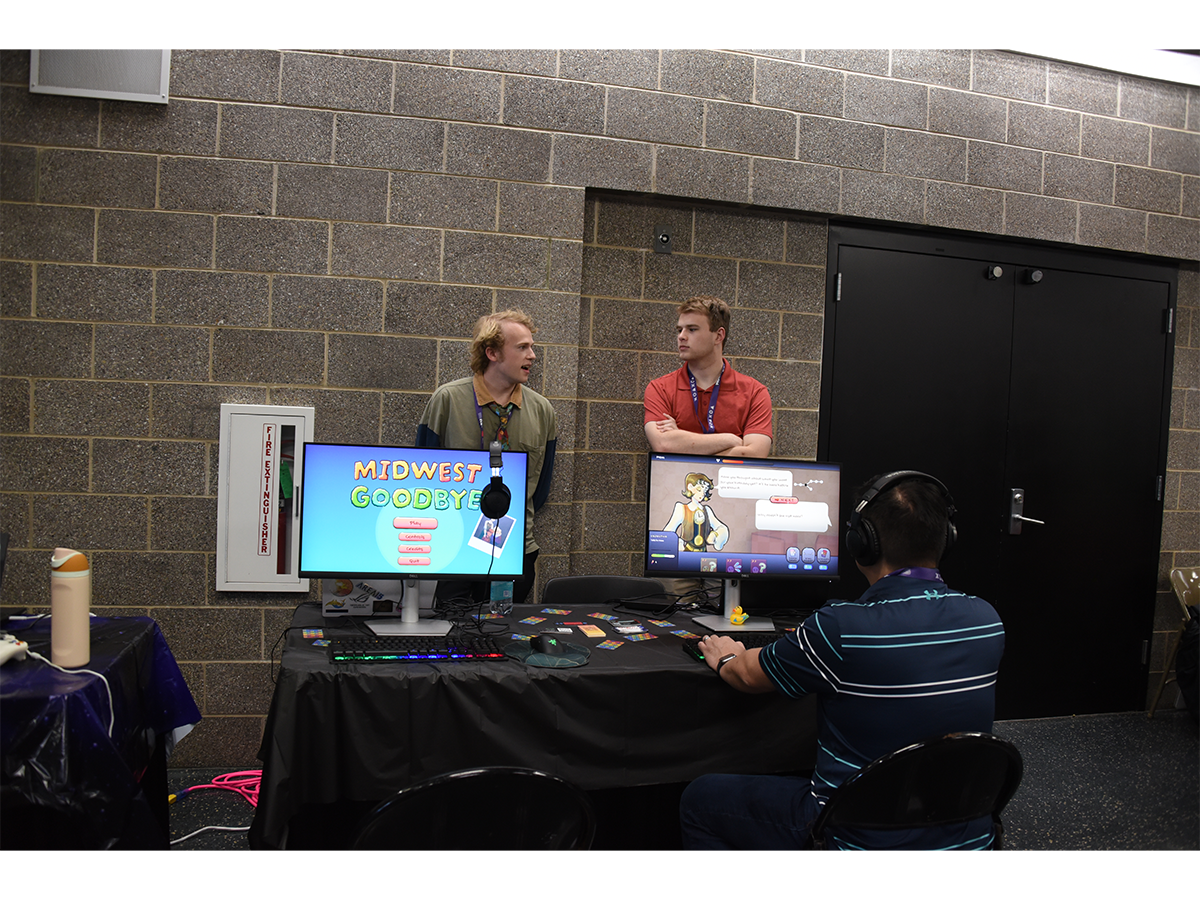
Madison’s Filament Games is a leader in educational games. The city also hosts the Midwest Game Development Conference (MDEV), which began in 2023 with 300 attendees and ballooned to just under 1,500 for its November 2025 conference. MDEV, which bills itself as the Midwest’s largest games industry event, brings in developers from all over the nation, as well as educators from game development programs.
Taking it to the next level
Gaming companies are bullish on state Assembly Bill 204, which would offer a 30% tax incentive for video game developers. The legislation would create a refundable video game production income and franchise tax credit.
Essentially, the 30% incentive is a tax credit for anyone working to develop a video game. It would include wages paid by a video game company for the development and production of a video game, and 30% of the expenditures directly relating to development, producing or creating a video game for commercial distribution and entertainment. Exceptions to the bill include social media, gambling products or anything made with obscene content.
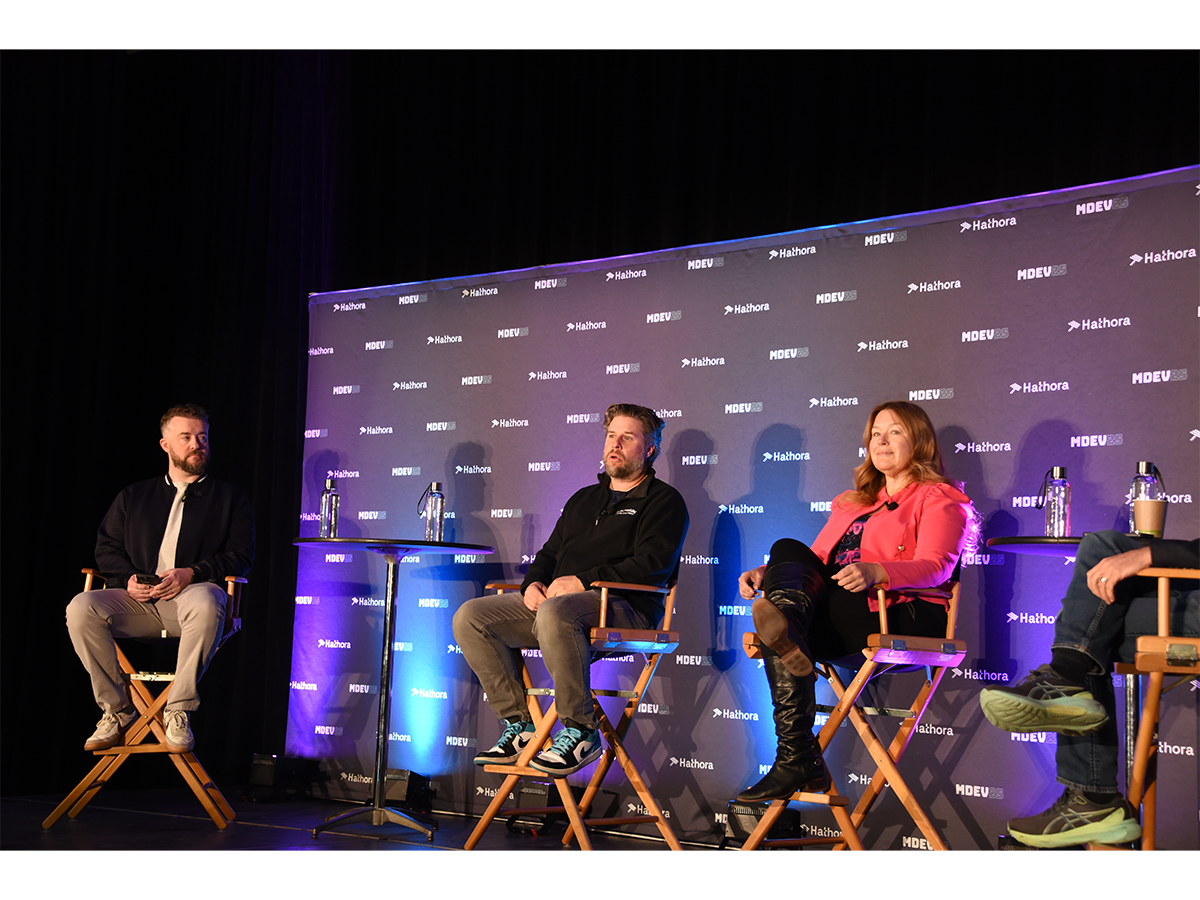
A discussion of the legislation was part of an MDEV panel. Those on the panel, as well as others like San Filippo, said it would help developers across the board, large or small.
“As an indie developer based in Wisconsin, I think anything that helps us survive in this tough industry climate is a positive,” San Filippo said. “I think this bill is a great start, and will only strengthen the tech and games scene in Wisconsin.”
They see the gaming industry here as an ecosystem to build — and AB 204 could be a launching pad.
Rep. Clint Moses, a Republican author of the bill, represents the 92nd Assembly District, which includes Menomonie, where UW-Stout is located.
In an email, Moses’ research assistant Maryjane Behm said the fiscal estimate for the bill was set by the Department of Revenue. The tax credit is projected to be about a $12.2 million loss in tax revenue for giving the video game industry a tax credit for new jobs.
“This industry is looking to leave California and move to more friendly tax states,” Behm said. “This is a win for entertainment software developers to have business in Wisconsin because of the tax-friendly environment and strong university system.”
Behm also said UW schools like Stout’s, which is recognized as one of the best in the Midwest, can provide a steady pipeline of talent for the industry.
Kvalo said such legislation could help change the job environment he faced when he graduated.
“When I came out of college at UW-Green Bay, there were no opportunities, especially in my field, (in the) business and publishing end of games,” Kvalo said. “And I had to leave.”
Kvalo said that while there are similar entertainment incentives (like film tax credits) in other states, Wisconsin would lead the pack in regards to games.
“It doesn’t exist in any other state that it’s specific to video games,” Kvalo said.
Jennifer Javornik, chief partnerships officer for Filament Games, said this bill would not be here if not for Wisconsin’s anchor studios like Raven being members of the Entertainment Software Association.
The ESA helps lobby for the industry at the federal and state levels. There was a mutual interest to pursue a bill like this through the partnerships of the developers and the association.
Javornik has been involved in the tax credit incentive since 2023. She also serves on the board of directors for the Wisconsin Games Alliance, which has helped to organize the initiative.
“All in all, it should cover all of the efforts and all of the disciplines that it takes to create a game,” Javornik said. “It is something that your company is going to apply for, that you have to submit proof of the employees, and then it gets filed with your taxes.”
WEDC’s support
WEDC, the state’s economic development agency, was a huge help getting Midwest Games to open in Green Bay, Kvalo said, and they’re supportive of the tax incentive bill.
Joey Frayne, WEDC’s technology investment director, has worked with entrepreneurs and innovators since 2005 through the qualified new business venture program. As an early-stage company, businesses can raise cash from investors, and they’ll get equity in the company for that cash, and a 25% tax credit on the investment.
It began as a way to increase the number of investors willing to take the risk in an early-stage company.
While not specific to video game companies, WEDC also has a technology development loan program to offer financial assistance to startups and emerging growth companies.
“We invest about five and five-and-a-half million into early-stage companies every year,” Frayne said.
WEDC’s Ignite Wisconsin also launched in 2025. The program offers funding support for consortia around the state in regions where it can boost entrepreneurship to increase the density of high-growth startups. WEDC expects to award four to six grants in the first year of this program, with individual grant amounts ranging from $200,000 to $2 million.
This can unlock investors for a company, and helps promote businesses in Wisconsin.

Transforming Wisconsin into the next video game industry hub
The video game production tax credit bill has passed the Assembly committee on Science, Technology, and AI, and now needs to be scheduled on the floor for both the Senate and Assembly. It will need to be voted on by both before it can reach Gov. Tony Evers’ desk to either be signed into law or vetoed.
The bill has been around for a couple of years, has had a couple of failures and adjustments, but it seems likely to pass, according to those who spoke at MDEV.
Nate Blair, who serves as global legal west team lead and lead counsel for esports for Krafton and PUBG MadGlory, said there is already momentum and critical mass in Wisconsin for such a bill, with the base of companies already established here.
“What we are hoping is that we will have a vote on the floor, hopefully within the next couple of months,” Blair said. “(Maybe) before February, when the legislative session ends.
“Hopefully, soon, we’ll have something that can nicely help people who are looking to do games work here in Wisconsin.”
Javornik sees a transformative next five years if the bill passes.
“This is a jobs bill that’s going to promote growth,” she said. “It’s exciting, all the different ways that we can see growth in Wisconsin, starting with triple-A. I think there’s going to be a lot of triple-A or larger organizations who decide to … open facilities in Wisconsin to take advantage of the tax credit.
“I think you’re going to see a whole flurry of new indie companies… because there’s really no limit on the size of the company.”