
People suffering from the disease of addiction can reach that pivotal moment of asking for help at any time. That means 24/7 response and care, as well as the opportunity to talk to someone who can relate through lived experiences, are critical components of addiction recovery. And despite major funding challenges in the past year, Solutions Recovery, Inc. has been able to deliver both — keeping the lights on and the phone lines open in Winnebago County with a fully peer‑based recovery operation that employs 22 and serves thousands in the community.
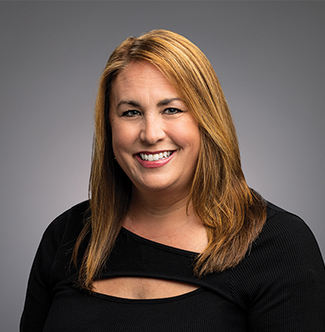
Megan Edwards, the nonprofit’s executive director, can appreciate all sides of the recovery equation, having worked in both the clinical setting and as a peer specialist. Edwards entered recovery in 2013 and began working for Solutions in 2018 before going on to earn her master’s degree; she worked as a licensed clinician for a period of time before returning to lead Solutions in 2024. She says there is a strong need for both clinical and peer‑based treatment programs.
“There are gaps in peer work and vice versa,” Edwards says. “So they complement each other well. The clinical setting can feel intimidating; sometimes for people, it feels prescribed. The peer space is much more fluid. Oftentimes, we’re the only ones who can get them through the doors of a clinic, sometimes literally holding their hand when they walk through the threshold.”
Solutions Recovery Center is located at 651 Evans St. in Oshkosh and is open to walk‑ins, serving about 150 people daily with support groups, peer coaching and treatment navigation. It also operates a 77‑bed sober living program with eight residences, up from only four beds in one home in 2018; a round‑the‑clock peer response team for overdoses, hospital calls, jail releases and community requests for help; and the STAR (Sobriety Treatment Assisted Recovery) Program at Winnebago County Jail, which serves 800 inmates annually.
Edwards says Solutions, which was started in 2007 through the merger of two existing recovery clubs, has grown exponentially since the pandemic, when the county saw a spike in need and was also able to utilize American Rescue Plan Act funds to expand.
The Solutions we know today has a complicated funding equation, Edwards explains, because its various programs have different funding contracts, but cuts and changes at the federal level have been a concern. A three‑year federal grant for Solutions’ rapid response program expired in September, but it has been buoyed for 2026 with county funding. At the state level, legislation that goes into effect this month will make peer services reimbursable by Medicaid, which could be a huge boost to Solutions’ programs, Edwards says, “but there’s still a lot up in the air about that.”
The weight of the work is heavy for Edwards, who says losing the ability to offer 24/7 response would hurt on many levels.
“Think about the series of events that happens before somebody walks through our doors. They’re usually pretty significant,” she says. “No one walks through our doors because they’re having a good day. It’s usually very painful … before somebody builds up the courage.”
Transportation is also a significant barrier to recovery, Edwards explains. She says Solutions provides more than 3,000 transports each year. Not only do the organization’s services allow people to attend meetings and appointments, but also: “Conversations happen in a car,” Edwards says, and can be a key piece of peer recovery support.
Conversations are where the magic lies, and knowing the person to whom you’re talking understands you even a little can make all the difference.
“There’s just something unique and special and cosmic about being able to sit across from somebody that thinks … their suffering is so unique no one can understand them and then you share about yourself being a person in recovery — you can feel the room shift every single time,” Edwards says.
It’s a special sense of hope only a peer can provide, and Edwards says she is gratified to see the profession gain increasing recognition.
“We need clinicians; we need law enforcement,” she says. “We need all the people at the table to help solve this problem. But peers are such an important part of that work.”
On the web: solutionsrecovery.org