
In an era when workplaces are faced with multi‑directional challenges including an aging workforce, a narrowing pool of skilled workers and the rapidly shifting ground of new technologies, attraction and retention are crucial.
The Wisconsin Workforce Development Association’s Talent Development Conference (TDCON) 2026, held April 21‑22 in Green Bay, featured multiple sessions on the topic.
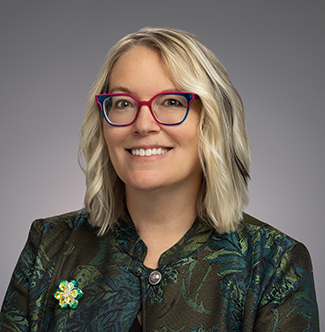
Anne Troka, senior manager of community and workforce development at Plymouth‑based Sargento, said her company takes advantage of both traditional and youth apprenticeships, co‑ops, internships, micro‑internships and other experiences to engage students and train new workers. Sargento launched its 5‑year apprenticeship program in 1989, starting with maintenance technicians.
Troka joined the organization about a decade ago, when the state of Wisconsin was launching its Academic and Career Planning (ACP) requirement.
“We were finding ways to connect students to careers and employers to their future workforce, and looking for ways to do that not only for students, but for employees as well,” Troka said.
Troka advised planning ahead — not just to fill open positions now, but to ensure future talent is being cultivated. “If we’re doing our pipelines correctly, we’re building for two to five years in advance,” she said.
Such foresight becomes even more imperative when a company has expansion plans as does Sargento, which is building a state‑of‑the‑art facility with robotics to be completed in 2027. “We are going to have to continually scale up people to be able to work on that equipment and keep that equipment running,” Troka said.
Troka collaborates with talent partners, employee experience managers and the company’s 15 departments to review the skills needed and develop innovative pathways toward filling them.
“Our role and responsibilities involve being engaged in the community … building those partnerships is critical to the success,” Troka said.
That includes working with partners like the Department of Workforce Development, Department of Public Instruction, the Bureau of Apprenticeship Standards, NEWMA, K12 schools, tech colleges and universities, as well as economic development organizations, chambers and many nonprofit organizations.
“It takes a lot, and building relationships and building trust is very important,” Troka said. Key is creating awareness and familiarity with certain careers and the skills associated with them.
That’s why offering pathways to students to come into the organization and see the job in action — and even trying it out — is so important, she said.
Sargento offers monthly career experience days, during which students or recent grads can sign up to have conversations with employees, tour the facility and see careers in action.
“That experience stands out, because you and I can all walk into a classroom … [but] it really doesn’t bring to life our organizations,” Troka said. “A student’s going to remember much more by coming to your company.”
Some of Sargento’s hard‑to‑fill roles include maintenance technicians, strategic marketing roles, engineering, CDL‑certified over‑the‑road trucker and production roles, where more than 75% of the company’s 2,500 employees can be found.
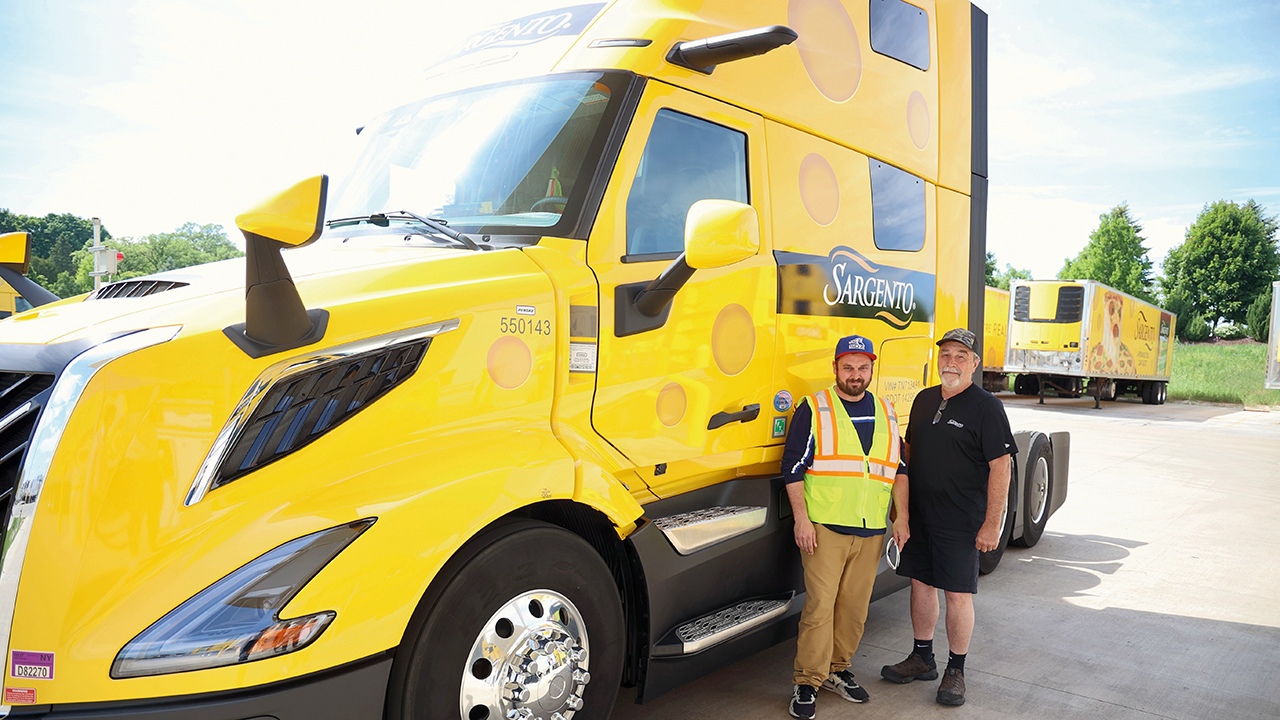
Sargento has about 65 trucks in its transportation fleet, and many of those CDL‑certified truckers are aging out. In response, Sargento started its internal CDL truck driving apprenticeship in 2023, with four former production employees completing the training and a fifth one in training now, Troka said.
The 12‑month program pays for classroom and behind‑the‑wheel instruction for the employee, and after they earn their CDL they are paired with a seasoned truck driver as a mentor until they transition at the end of the year to their own truck.
Sargento also launched micro‑internships, another way to grow employees from within a company. While all opportunities like this are long‑term investments, they pay off, Troka said.
“Understand first, what does your business need?” she said. “What are those critical roles? What are the critical skills? And then be innovative.”