
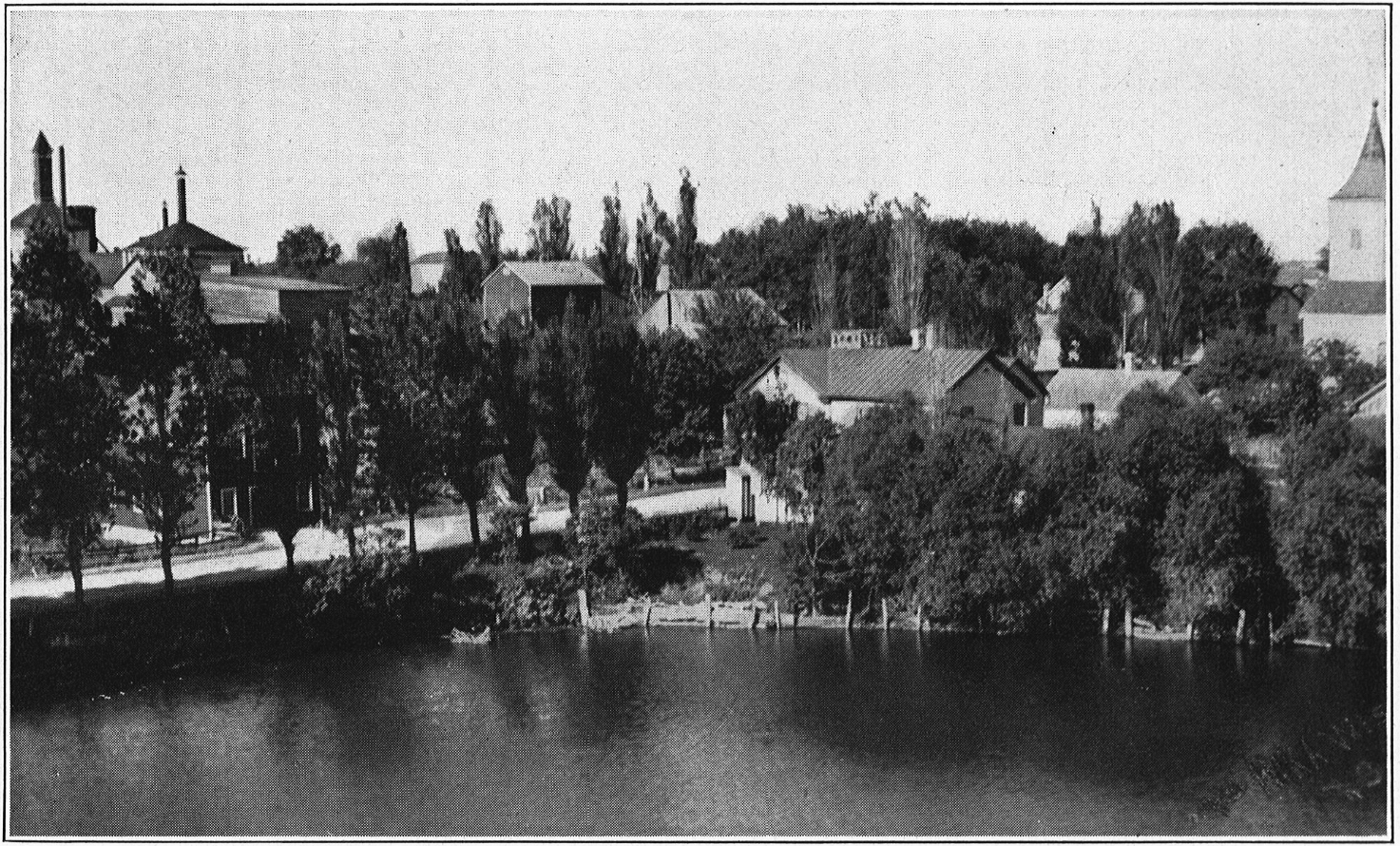

Once-lively 19th-century shipping communities of Lake Michigan’s coastline are the focus of new Wisconsin Historical Society research that aims to offer “a better appreciation for our coastal communities and the impact that they played in Wisconsin’s development,” says state archaeologist Amy Rosebrough.
Whether commerce was restricted by the development of the railroad or the end of the lumber boom, there are multiple reasons why these ports faded out of existence, Rosebrough says. “In a few cases, there is still a little community [at these ports], but the commercial part of it is long since gone,” she says.
Rosebrough says there are more than 100 of these “ghost ports” in Wisconsin and they played a significant role in the state’s history, exporting lumber, stone and agricultural products during the eras of Euro-American settlement and industrialization.
“They were transportation hubs. They were social hubs. We felt that they had been overlooked a little too much and that this story needed to be brought out again,” Rosebrough says. “We’re going to try and resurrect the little ports, at least on paper, and get them back into public notice.”
The project got its start following an inquiry by the descendants of brothers Nicholas and Paul Ronk, who founded the Luxemburger Pier Company of Ronksville in the mid-1800s. When they couldn’t find Ronksville on the map, the family reached out to the Wisconsin Historical Society for help. In their research of Ronksville, Rosebrough and her team uncovered many other unmapped coastal communities.
The Wisconsin Historical Society has already investigated 18 of these ghost ports, and thanks to a Wisconsin Coastal Grant the organization received this summer, five additional ghost ports in Manitowoc and Sheboygan counties will be added to that list.
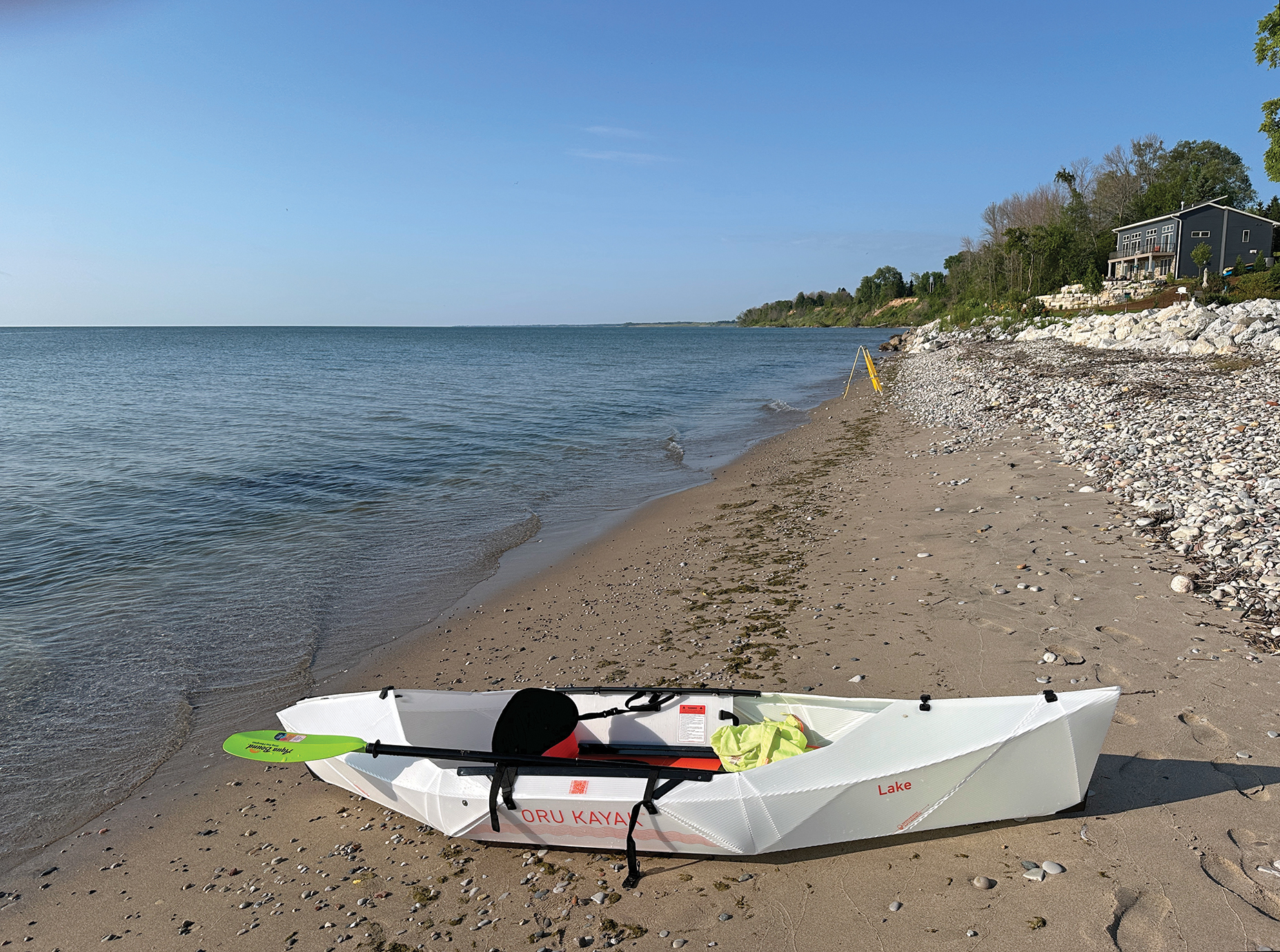
Administered by the Wisconsin Department of Administration Wisconsin Coastal Management Program, the $16,629 grant enabled Rosebrough and members of the archaeology program in the State Historic Preservation Office of the Wisconsin Historical Society to conduct research, with assistance from program volunteers, that led to many new discoveries. In the former community of Two Creeks, which is just north of what is today Two Rivers, researchers discovered one of the best-preserved sites to date, with more than 300 pier pilings as well as an unexpected surprise: a shipwrecked schooner of which there had been no record.
Kendra Kennedy, maritime archaeologist with the Wisconsin Historical Society, says the ports in Manitowoc and Sheboygan counties contained underwater pier pilings stuck down into the lake bed.
“Those pilings, even if you can’t see them above the surface of the water, many of them are still there,” she says. “Surprisingly more than you’d expect for some piers that are 100 years old.”
By the end of June 2025, the results of this research will be uploaded as reports, images and video to wisconsinshipwrecks.org and through interactive kiosks at the Wisconsin Maritime Museum in Manitowoc. The Wisconsin Historical Society will be giving public presentations highlighting the results as well.
Curious adventurers can explore many of these ghost ports for themselves, Rosebrough says.
“This doesn’t have to be abstract history,” she says. “At Two Creeks there’s a boat launch in a park right there. The pilings are sticking out of the waters in some places, and they’re right below your kayak in others. It’s like you’re looking down into a forest.”
Rosebrough says history needn’t be confined to museums — it’s embedded in the landscapes of today.
“History is everywhere. You think these are little quiet coastlines and nothing ever happens here,” she says. “People tend to write these areas off, but history was happening in our agricultural counties and it’s very, very important history to boot.”
More on the web wisconsinshipwrecks.org