
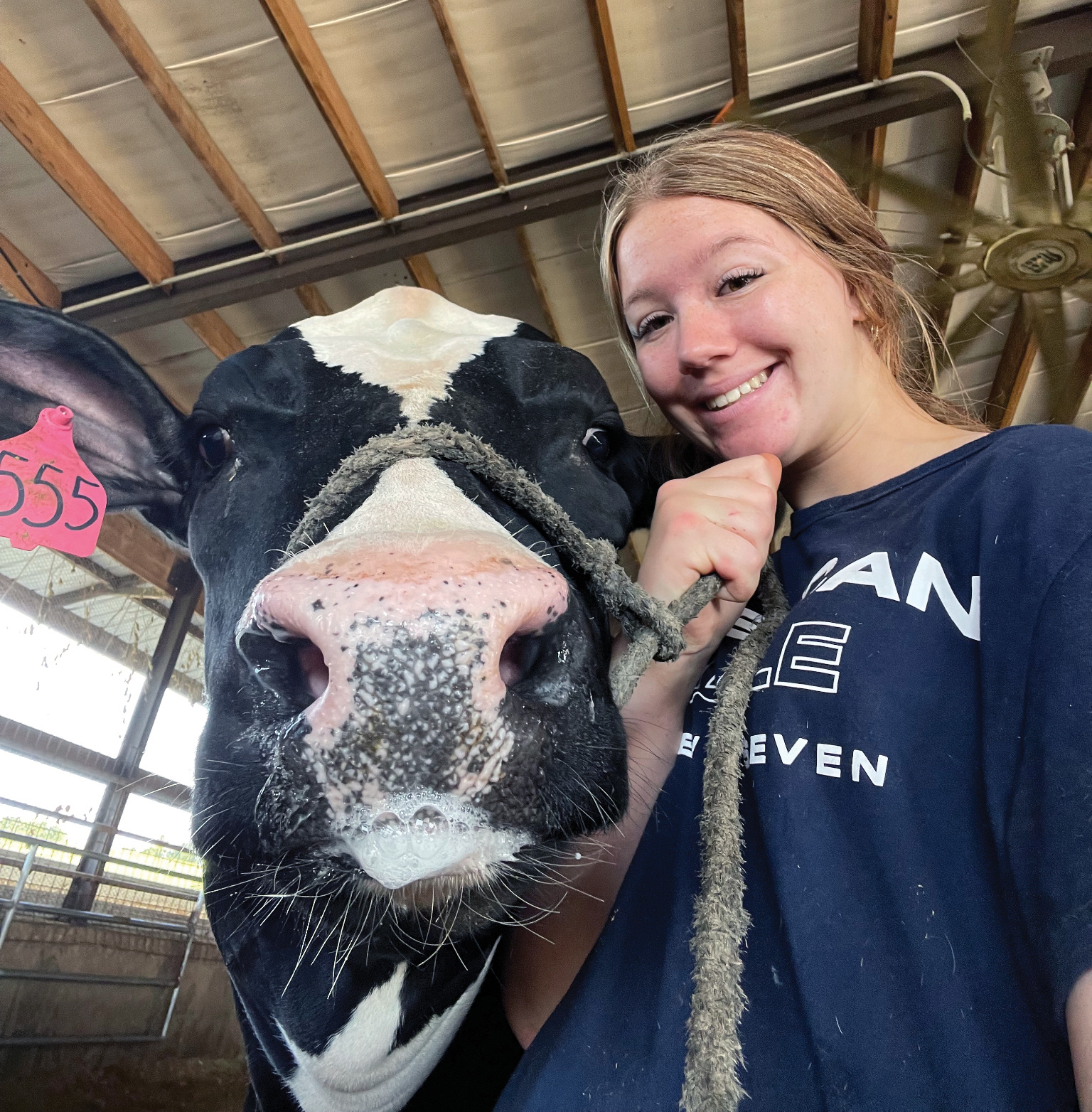

Deciding on a career path can be challenging for teens, but today’s students have multiple opportunities to learn about potential careers before leaving high school.
Youth apprenticeship programs, as well as the 501(c)3 Inspire Wisconsin Network, help educate students about jobs ranging from manufacturing and the trades to IT and human resources while at the same time helping businesses find their future workforce.
The combination of Inspire Wisconsin and youth apprenticeship programs creates “a win-win-win” scenario, says Brooke Holbrook, education for economic development associate at CESA 8, which serves 27 school districts in Northeast Wisconsin. “Employers need employees, and this helps fill the need. They can bring [the apprentices] along now or start them off and have them return after attending two- or four-year colleges.”
Inspire Wisconsin, which took root in Sheboygan County before spreading statewide, provides students with meaningful career-based learning experiences while providing businesses with opportunities to cultivate their next generation of talent. Youth apprenticeships provide students with hands-on learning opportunities.
“Inspire Wisconsin is not here to compete with other programs. Inspire is the bookshelf you put ideas on, and students, parents and businesses can go and take a look at what is out there,” says Mike Trimberger, district administrator for the Random Lake School District and one of the program’s founders. “All of these programs work together to help Wisconsin develop its future workforce.”
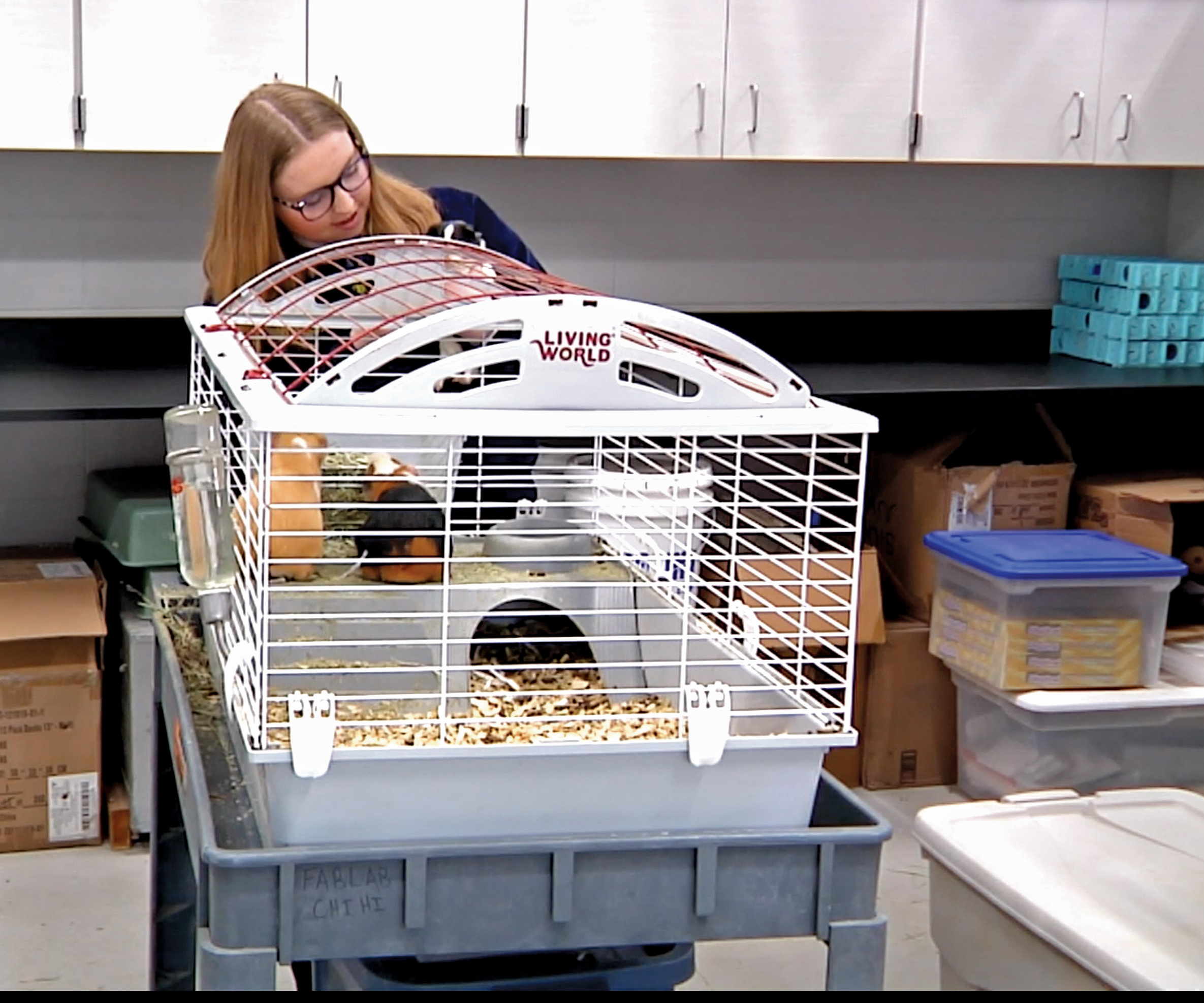
Youth apprenticeship programs have been around for years, with the New North region leading the state in number of opportunities. CESA 6, which covers the Appleton, Oshkosh and Fond du Lac markets, oversaw 1,779 students in the 2022-23 school year. The Northeast Wisconsin consortium managed another 1,021. The state’s other consortiums average 157 students each.
The youth apprenticeship programs fit well with the development of New North, Inc.’s career pathways, says Rebecca Deschane, the organization’s vice president of talent development. The pathways are ladders that show various jobs students can achieve in different positions based on their education, training and experience.
“We want to make sure the employees let the students know what types of jobs are available. It really provides a touchpoint,” she says.
Trimberger says Inspire helps open the doorway to apprenticeships by bringing business leaders into classrooms for discussions, taking students on tours to area businesses or providing job shadowing opportunities.
“Inspire allows students and businesses to know more about each other before discussing apprenticeships, which I think has fueled the increase in the number of students pursuing them,” he says.
Getting started
The idea for Inspire Wisconsin was born in a business-education partnership at the Sheboygan Area Chamber of Commerce. Trimberger, who was then a high school principal, was looking for a way to have the community become more invested in high school students and have the students become more invested in their communities.
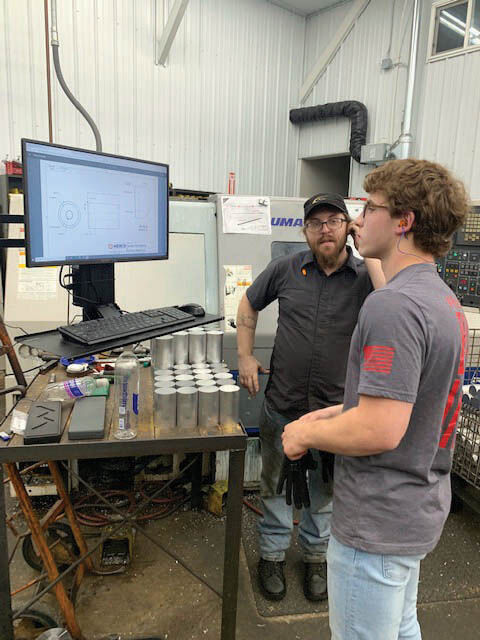
“It made sense if you had a student interested in architecture or manufacturing that you could pair them with a business where they could learn more to see if that was a viable career path,” Trimberger says.
The chamber asked school districts in the county if they were interested and all said yes. The request then went out to businesses, with 10 to 15 agreeing to get involved. Inspire was born.
As students enter high school, career planning comes to the forefront. It is during that process that students can tap into Inspire and learn about different businesses.
“It is a nexus. If you have a teacher at Appleton North, for example, who wants to learn more about area companies and any opportunities for students, they would have to go out there and find it. And that was repeated at high school after high school. Now there is Inspire, and they log in there to learn more,” Trimberger says.
For youth apprenticeships, the state’s CESA organizations play a role in making connections. Holbrook provides support to 12 school districts plus four in Oconto and Marinette counties when it comes to their youth apprenticeship programs.
“The newer districts to youth apprenticeship require more guidance in the process, but we have information sessions with sophomores and juniors to tell them about the program,” she says. “We address all stakeholders — the students, parents and businesses — about the program and its benefits.”
Those benefits include earning high school credit for their apprenticeship work and learning firsthand about careers.
“Students get an opportunity to try out a career to see if it is something they are interested in,” Holbrook says. “If there’s an interest, there’s a potential for continued work and attending a post-secondary school to gain more education about the field. Students not only learn occupational skills, but soft skills, too.”
For businesses, it’s an opportunity to educate students about themselves and possible careers, with the potential to recruit future employees.
Sargento Foods Inc. has a robust apprenticeship program, which Anne Troka, the cheesemaker’s community and workforce development senior manager, says helps keep the pipeline flowing for future employees. While some students keep working at Sargento while pursuing further education, others go through the apprenticeship program but then go to college and opt to return to the company after graduation.
“With youth apprenticeship, we are building a true talent pipeline,” Troka says. “We want students to be aware and excited about the variety of careers available at Sargento. We open up our doors in different departments so the students can understand what we do and if it’s something they want to pursue as a career.”
Sargento offers youth apprenticeship programs in multiple areas and reaches out to high school students in Sheboygan, Manitowoc, Calumet, Fond du Lac and Outagamie counties. During the school year, students work 10 hours per week and then more hours during the summer to get to a total of 450 hours.
“It’s a long-term commitment for us to invest in these students, but it is definitely worth it,” Troka says.
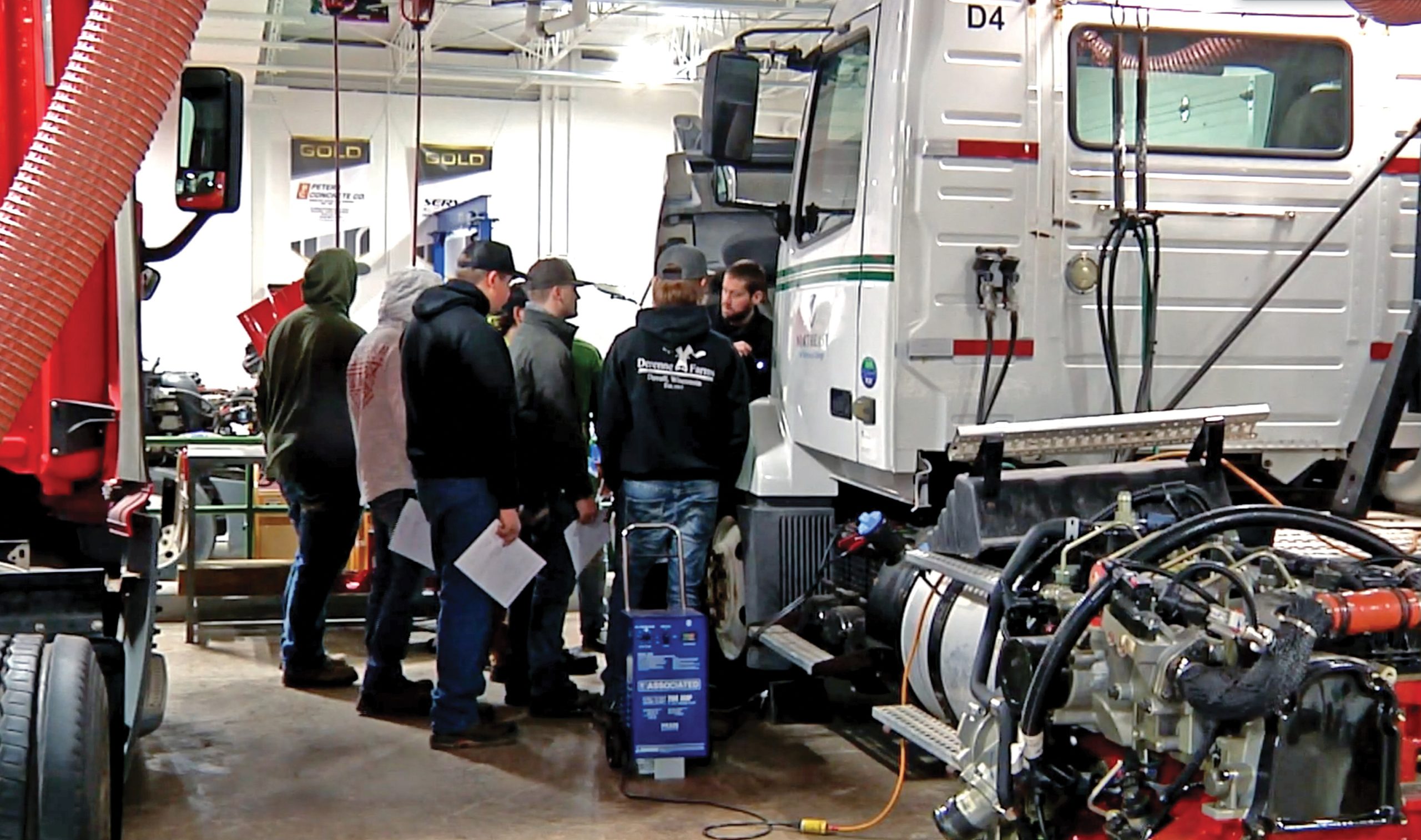
Program in action
While a senior at Oostburg High School, Derrick Ten Dolle began working at Sargento three to four hours a day a few times a week as a youth apprentice learning about the company’s supply chain operations. He worked in the morning and then went to school late so he could participate in soccer and track.
“We want our apprentices to have a well-rounded experience in high school, and that includes being able to participate in extracurricular activities,” Troka says. “We work with students to find a schedule that fits their needs.”
The summer after graduation, Ten Dolle worked in Sargento’s procurement department. He continued working there as he earned an associate’s degree at Lakeshore Technical College and a bachelor’s degree at Lakeland University through the schools’ 2+2 program. Upon graduation, he received an offer to work full-time at Sargento as a procurement coordinator.
“Everything worked out well,” Ten Dolle says. “I was able to go to school and still be able to work. While in college, I was learning things in the classroom and putting them into practice at work or vice versa. I would be doing something at work and then we would learn about it in school. It tied nicely together.”
A bonus: Sargento reimbursed him for part of his college tuition.
After a year as a procurement coordinator, Ten Dolle was promoted to associate buyer; a year later, he was named a buyer.
“Going through the apprenticeship program provided me with a lot of hands-on knowledge. Before I started the program, I didn’t know anything about supply chains,” he says. “It was just a great experience, and I came away with a great career.”
Deschane says the goal is to have more students have Ten Dolle’s experience. The key to that is getting more businesses involved.
“Businesses of any size can host an apprentice. Youth apprenticeships are great opportunities for businesses to connect with their future workforce,” she says. “The more you connect with students, even in middle school through speakers, the better.”
More on the web: inspirewi.org