
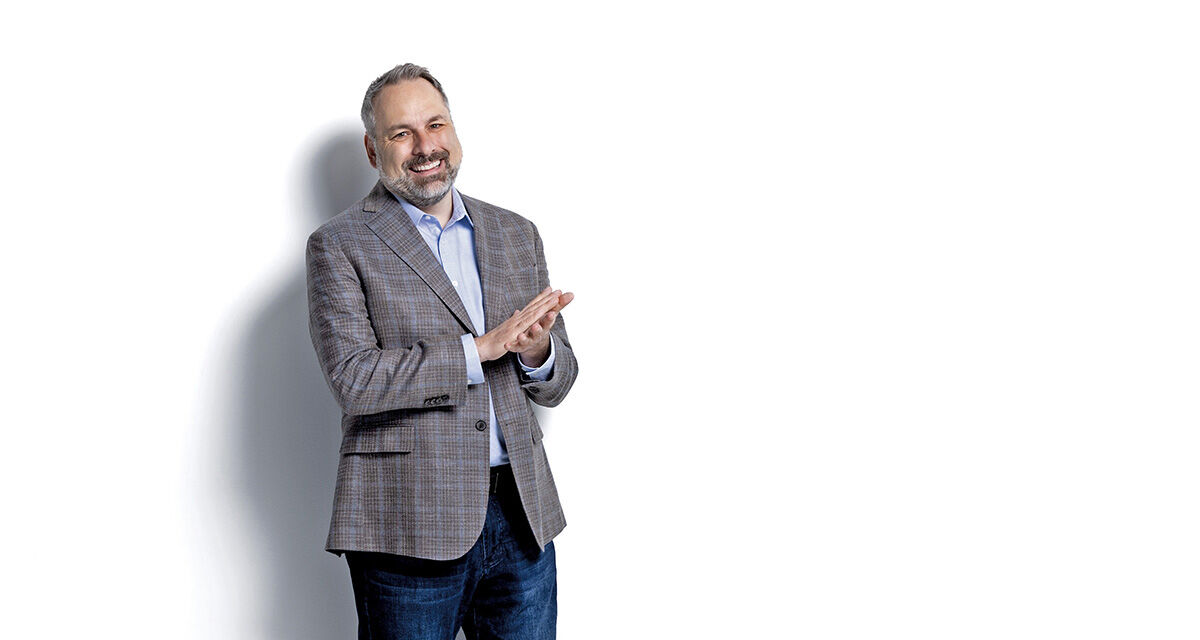

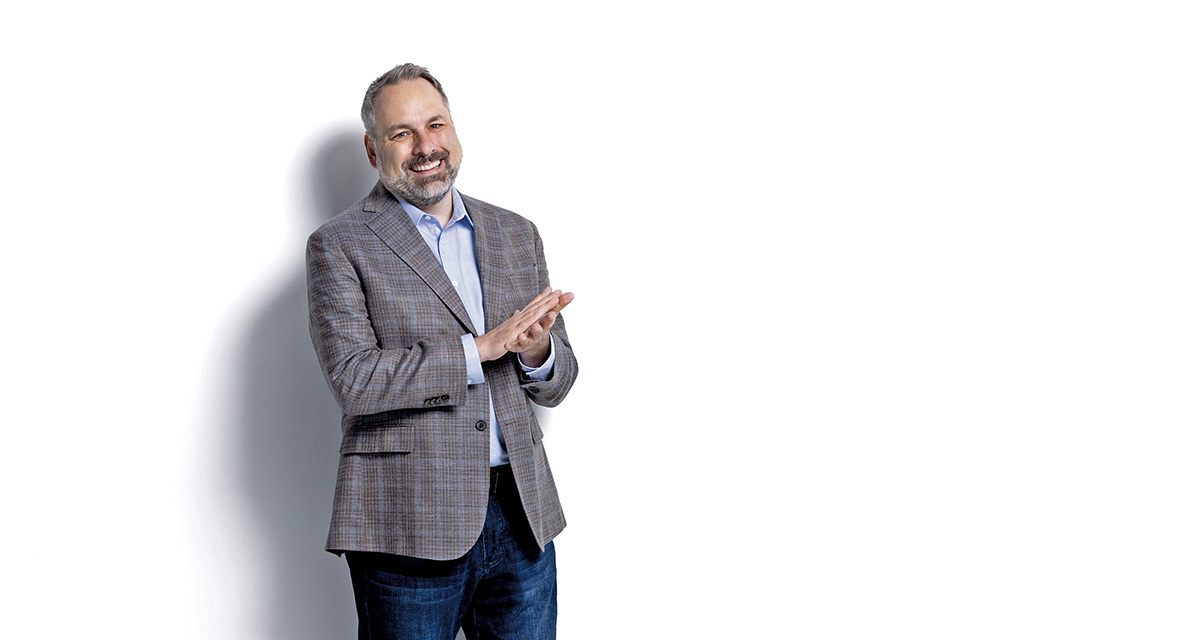
For years Brian Johnson, executive director of On Broadway, Inc., has observed public markets in other cities and envisioned one in Green Bay. From Milwaukee to Seattle to Barcelona, Spain, public markets serve as gathering places and cultural centers for locals and tourists alike. In January, On Broadway announced plans that bring Johnson’s vision to fruition. The $30 million project, a redevelopment of the Old Fort Square building at 211 N. Broadway, will feature a public market that’s expected to draw 1 million visitors per year, 90 new apartments and a parking structure. Johnson talked with Insight about next steps for the pivotal project.
How did the project come to be?
This is a project that we’d been working on for four to five years. Over the last number of years, we had been visiting public markets all across the world. We’ve traveled to a number throughout the United States. Some of the more notable ones include Pike Place in Seattle and Findlay Market in Cincinnati, Ohio. We [also] traveled to La Boqueria in Barcelona, which is one of the world’s most famous markets. We’ve seen upward of probably two dozen public markets and have met with different people to understand how their facilities operate. How do you model something that’s close to home that’s had a proven track record of success in the Milwaukee Public Market, but also maybe incorporate some elements of things that we’ve seen in these other spaces?
What’s so compelling about the idea of a public market?
Public markets serve a lot of different purposes. There are two significant ones that are really attractive to us. One is a driver of foot traffic. When you have that level of foot traffic that comes into a district, it also serves as a great catalyst to redevelopment projects. A lot of folks forget that the Third Ward wasn’t much until the Milwaukee Public Market came along. That is what really led to the revitalization of a number of their sites down there. We are hoping we will see a similar outcome with an investment in this type of facility. The other key desire for us is, this is a designated food desert. We think there could be a real opportunity to kind of stabilize that food market that we have in our near-downtown area. It’s a qualified census tract down there as well. Anytime you can bring in amenities like this that typically don’t find their way into a low-income neighborhood, I think that’s always a big win that helps some of those revitalization efforts.
What makes Green Bay a good location for a public market?
The New North, when you look at it as a region of 1.2 million people, continues to grow, continues to become a desirable place to live and work. [People] can work from anywhere, and they’re looking for desirable places to live; and Green Bay is showing up on a lot of lists. [We are bringing in] amenities that can help make Green Bay attractive. We expect this facility will become one of Green Bay’s top tourist destinations, much like other public markets are in their respective communities.
What will the market feature?
The first floor will be tenants. Right now, we are estimating 20 to 24 tenants. We do have the anchor tenant in One Barrel Brewing Co. We have West Coast Seafood and Chowder, which will offer retail seafood products as well. We have Voyageurs Bakehouse, which is going to be unveiling an entirely new concept that they’re not quite ready to talk about yet. The same with Gather, an event hall. They’re going to open a new concept as well.
On the second floor, we’ll have some type of demo kitchen. We’ll also have some event space that can be leased. We’re already having conversations with UW Extension to bring in some of their programming that is specifically targeted at low-income neighborhoods. So, it’s ideally situated to serve the residents of that area. And then of course, many other partners. You could do anything from yoga to special events to corporate retreats.
Some [of the businesses] will be focused on the morning; some maybe more so in the evening. It is a facility that will be open from morning to night. One of the things we’d like to do is expand the programming of the public market into a possible winter market. [That would complement] our farmers market as well. When we start to look at, how do we expect to draw the numbers that we’re projecting? A lot of folks forget that the farmers market already attracts anywhere from 200,000 to 250,000 people per year. We’re already a fourth of our way to our annual goal just from that one event series.
What are the next steps?
We closed on the building on April 1. There are a number of tenants in there that do have lease rights on the facility. We are in conversations with all of them to try to find suitable places to relocate them. We would love to retain as many of them as possible within the Broadway District … and to find a way to get everyone in that building into a better spot than what they’re currently in.
This summer is when we’ll launch our capital campaign, and we’re doing some grant writing. We’ll have to raise a certain amount of funds. Our board has demonstrated a commitment to finance a part of the project, but we talk a lot about the ability to focus on tenants that are more art than science and that can truly complement the success of the facility. When you have to think about market rate of returns on lease rates, it becomes very difficult to focus on the art piece of that analogy. The more funding that we can raise, the less we have to worry about lease rates to satisfy the debt. And then we can choose which tenants we feel will attract the most people.
We also have to start building out the operations plan. We have to create a sustainable model that will not only pay those [individuals running the facility] but provide the debt service on the facility and the marketing and all the other things that come with managing a successful business operation.
Tenant recruitment is another big one we’re walking through right now. We want to make sure that we’re hitting all the needs, but we also are very sensitive to the needs of the residential neighborhood and wanting to fill those voids and gaps and making sure that we recruit as much ethnically diverse product as possible, especially those that reflect the needs of the neighborhood. Every day is another step forward. I’m very optimistic that we’re going to see some tremendous progress on this over the next six months.