
By Nikki Kallio
As demand for health care services in rural and small communities continues to grow, hospital systems in the region are working toward improving access and care with new initiatives, key partnerships and critical expansions.
A 2019 Journal of the American Medical Association study showed that rural emergency department visits have increased by 50%, significantly outpacing visit growth at urban hospitals.
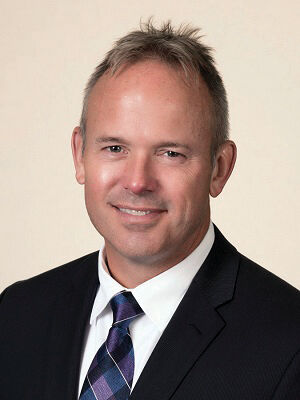
HSHS St. Clare Memorial Hospital provides that vital emergency service, saving critical time by allowing patients to be treated quickly and stabilized before they might be transferred to a larger partner hospital. And they can receive complete care for other illnesses and surgeries like joint replacements without needing to travel to Green Bay, says Chris Brabant, president and CEO of the hospital.
“That’s a long day,” Brabant says. “For a lot of rural areas, sometimes the closest place for medical care is over an hour away. And for advanced medical treatment, even farther. So we bring that care closer to the patients and to that population center.”
Addressing rural needs
Both HSHS St. Clare Memorial Hospital and ThedaCare Medical Center-Waupaca recently were named 2022 Top 100 Critical Access Hospitals by The Chartis Center for Rural Health.
ThedaCare, which serves more than 650,000 community members in Wisconsin, is continually examining ways to address rural health needs through community health action teams, out of which has come initiatives like the Rural Health Initiative and the Make the Ride Happen program.
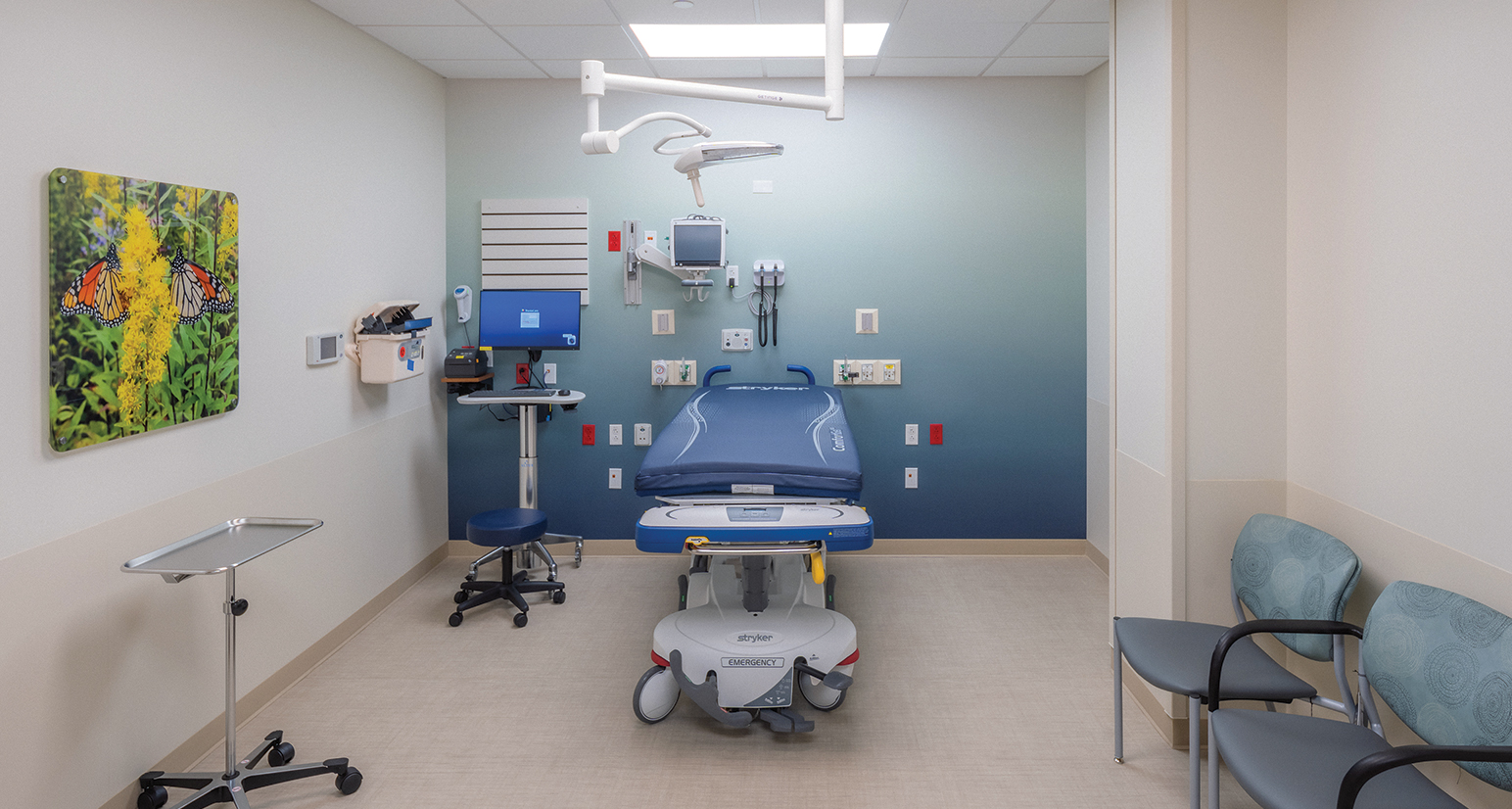
In June 2021, ThedaCare opened its updated emergency department at its Berlin location, expanding from seven to 10 beds and adding two behavioral health rooms as well as features designed to address the specific needs of the community.
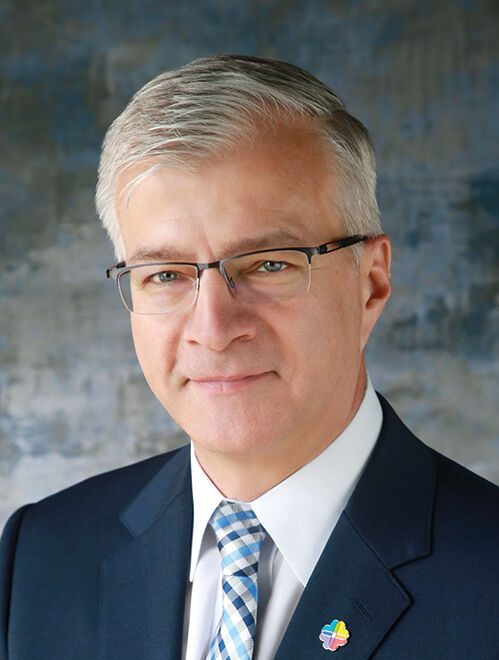
“If you look [at] the difference of population from Shawano to Waupaca to Berlin, there are some very distinct different populations in there that have unique social and health care needs,” says Dr. Mark Cockley, chief clinical officer at ThedaCare.
In Shawano the demographics tend to lean toward an older, retired population. In Berlin there is a strong agricultural and manufacturing industry base. “So if there should be some type of chemical spill or any type of fertilizer exposure with our farming community, we have a decontamination room that we can actually bring them through,” says Tammy Bending, vice president of Critical Access Hospitals ThedaCare Medical Centers-Berlin and Wild Rose.
The Make the Ride Happen program is addressing a critical need for transportation in rural counties, including Calumet, Winnebago, Outagamie and the city of New London, with plans to expand.
While there’s a cost to these programs, the value speaks volumes: Healthier people miss less school, less work, they don’t have as many hospital visits and chronic conditions are better controlled, Cockley says.
“They’re not getting end-stage kidney disease, or end-stage lung disease, or heart disease, because they’re getting treatment, that saves so much money,” he says.
ThedaCare launched its Rural Health Initiative in 2004 in Shawano County after a community health action team zeroed in on the gaps in health care experienced by farming communities.
The program, which provides “kitchen wellness” visits with health screening and coaching provided by health care workers with a rural background, expanded to Waupaca and Outagamie counties in 2012.
A 2021 $985,000 Centers for Disease Control and Prevention (CDC) grant allowed the program to add four more counties: Waushara, Green Lake, Winnebago and Marquette.
“We want to be a leader in population health at ThedaCare — it’s really about meeting those patients where they’re at,” Bending says. “And the Rural Health Initiative is a great example of that. It really lets you know what is going on in those rural communities.”
Partnering up to solve problems
ThedaCare is working with local organizations on home visits for kids under age 5 as well as parent cafes (community education events for families) to help reach rural kids who might need extra assistance.
HSHS St. Clare Memorial Hospital’s partnership with Prevea Health is “hugely important” in helping to enhance rural health services, Brabant says, connecting patients with their primary care and specialty resources. St. Clare further expands resources by partnering with the Bellin Health affiliate hospital in Oconto and the Oral Health Partnership in Brown County to help underserved children, Brabant says.
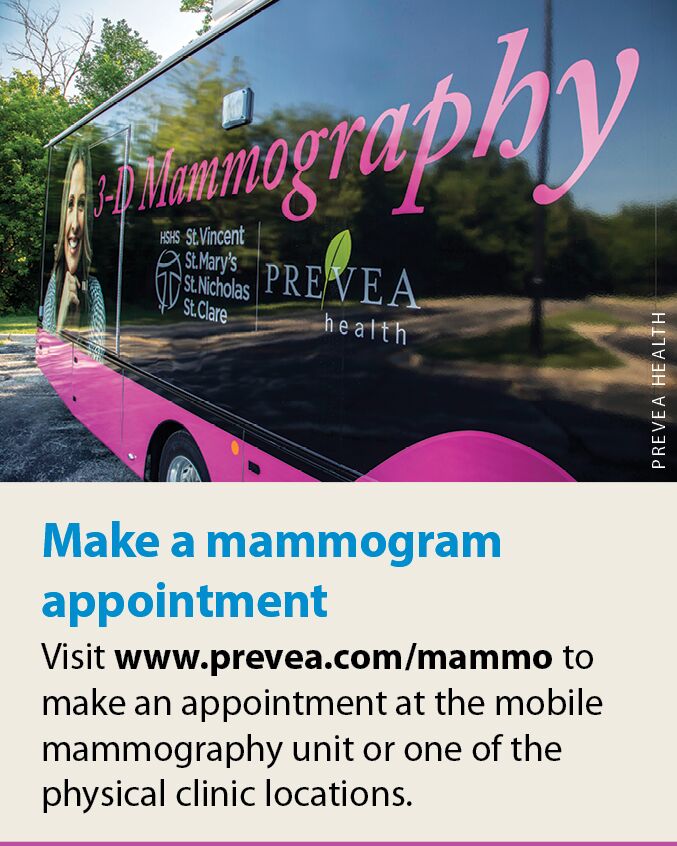
Recognizing that travel was a barrier for some women from rural communities, Prevea and its HSHS partners launched the mobile mammography unit, which includes 3D and digital imaging, reaching from Plymouth to Marinette.
In that time, the unit has screened more than 5,500 patients and sent 438 for additional imaging, with 27 patients diagnosed with cancer, Prevea reported. Almost 400 women visited the unit for their first mammogram. The equipment and staffing is the same that patients would receive at a physical location.
“The number one biggest thing is just the convenience of having a mobile unit in their community instead of having to travel to the Green Bay area or elsewhere,” says Janelle Gosz, a mammography tech and coordinator of the mobile mammography unit through Prevea. “At least once a day we hear patients talk about how convenient it is.”
Bending said that staff at rural hospitals meet the same quality standards and metrics as those at larger ones.
“Our teams have to be top notch,” Bending says. “They’re shifting gears continuously throughout the day to provide the best care possible.”
Facing additional challenges
E-visits — implemented during the pandemic as a safe way for providers to stay connected with patients for non-critical care — are now a growing way for patients to consult with specialists in cardiology, behavioral health and other key specialties when they’re located far away from those services.
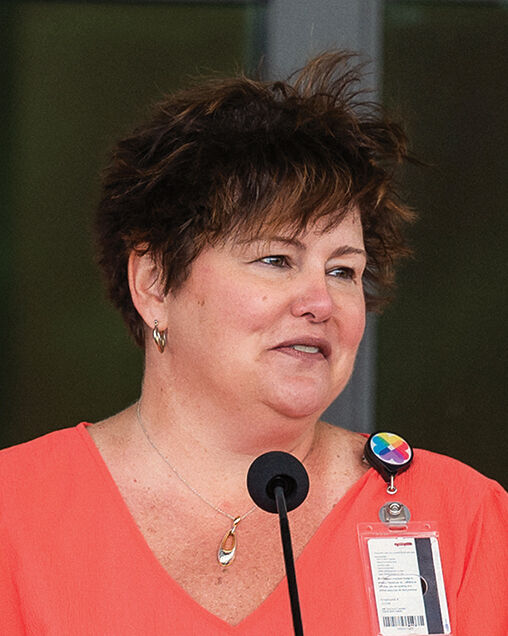
“That’s huge for our critical access hospitals,” Bending says. “As we talk about keeping care local, we’re able to keep patients here that historically we would have to transfer. We know that can be difficult on families having to travel to be with their loved ones.”
But internet connectivity and broadband availability in rural areas has posed a challenge to telehealth visits, and it can even pose a danger when emergency services is unable to quickly find rural residences.
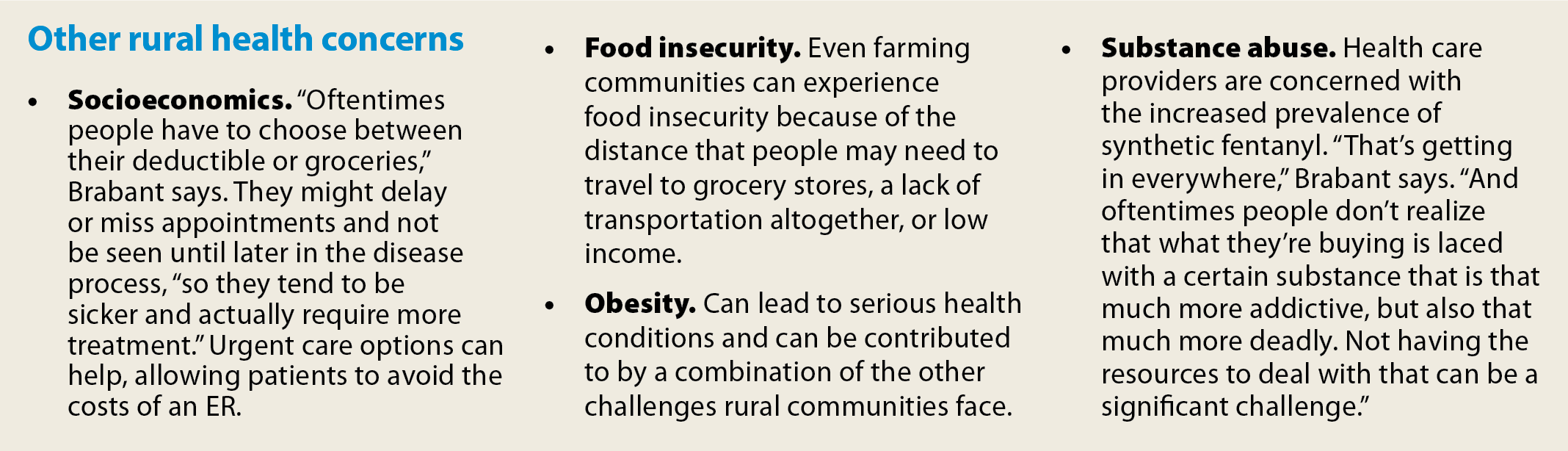
Medical leaders say this and other key areas of focus, both inside and outside the health care system, can improve health for rural populations, including access to child care and behavioral health services. “There’s a huge behavioral health problem. We know it’s nationwide, but especially in rural communities,” Brabant says.
Bending agrees, and ThedaCare’s Berlin hospital expansion includes rooms to keep patients in crisis safe and has a large screen for remote visits with a psychiatrist. ThedaCare aims to continue expanding behavioral health options, working with community partners.
But that’s only part of the solution.
“The well-being of a person is only about 20% of what we as a health system can help them with — it’s all the other things. It’s their home life, their social connections, their finances, their education,” Cockley says. “We’re going to be there as the backbone, but it does take the rest of the village to come along to really help us all live healthier, better lives.”