
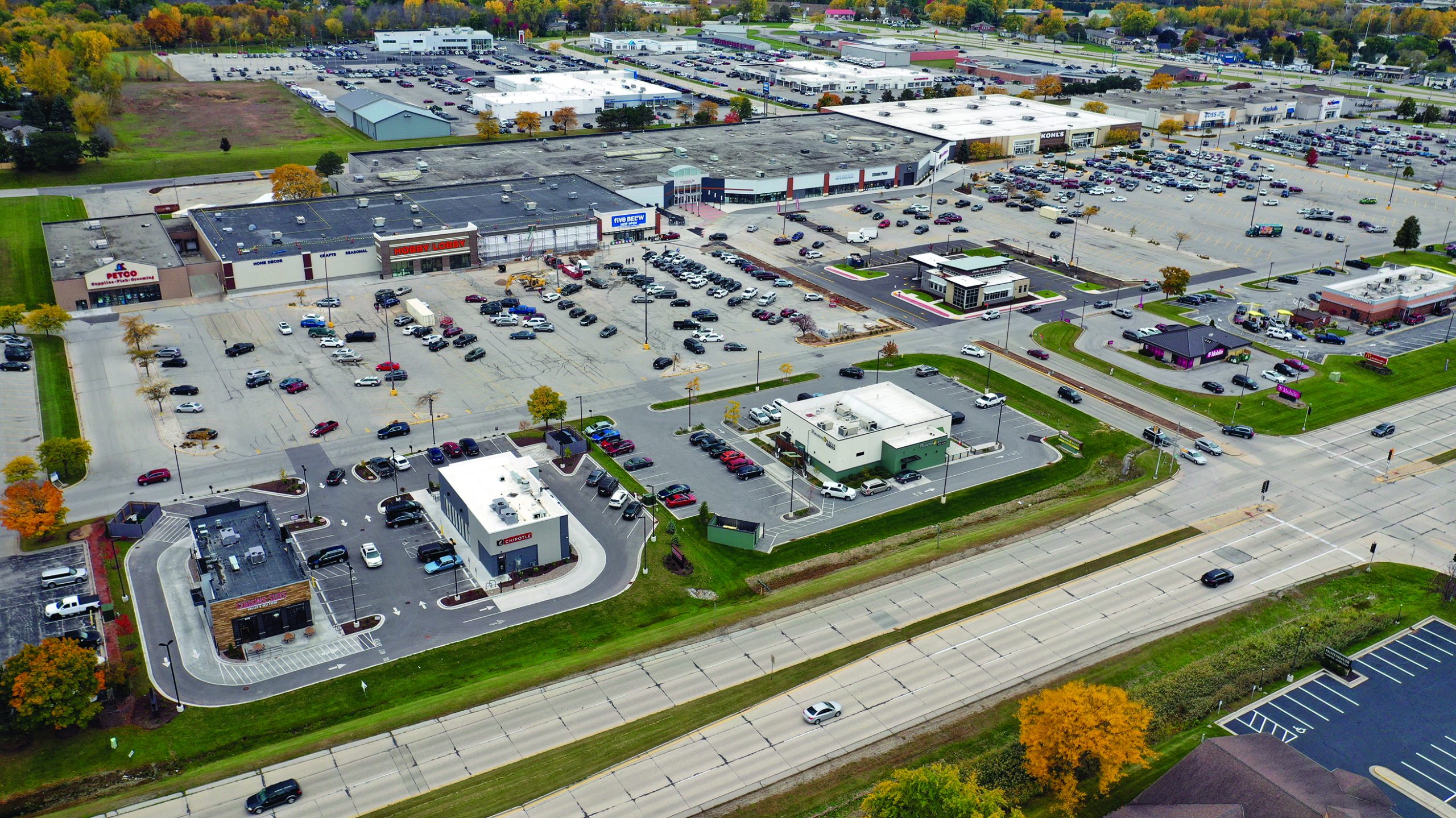

When it comes to 2024, experts say a number of key factors are still in play and will influence how the year goes for the commercial real estate market, depending on which sector of the market you’re talking about.
“Sector by sector, asset class by asset class, is all very different,” says Charlie Dercks, principal for J. Ross & Associates. In general, as the market finished 2022 and entered 2023, he says the interest rate hike “caused a gap in the market in all asset classes between the buyers and sellers … buyers thought buildings were worth less and sellers thought they were worth more.”
That gap is starting to close as interest rates stabilize, Dercks adds. The same with building costs in general, which during and post-COVID-19, “were as high as we’ve seen in recent history,” Dercks says. “Those, again, are starting to plane off.”
But while material costs may be starting to come down, some inflation remains in other areas, such as wages, which “very seldom fall after they’ve risen,” Dercks says. These and other factors may influence whether business owners decide to stay where they are, build new or rent existing space — if they can find it.
Manufacturing and warehouse
Manufacturing and warehousing space remains at a premium, with vacancy rates at 2% or less within the region — the lowest vacancy rate across sectors, Dercks says.
Starting after the 2008-2009 Great Recession, inventory both on warehouse/industrial and multifamily structures fell behind.
“We’re starting to see that get caught back up where supply is starting to get back closer to that equilibrium point where it meets demand,” Dercks says.
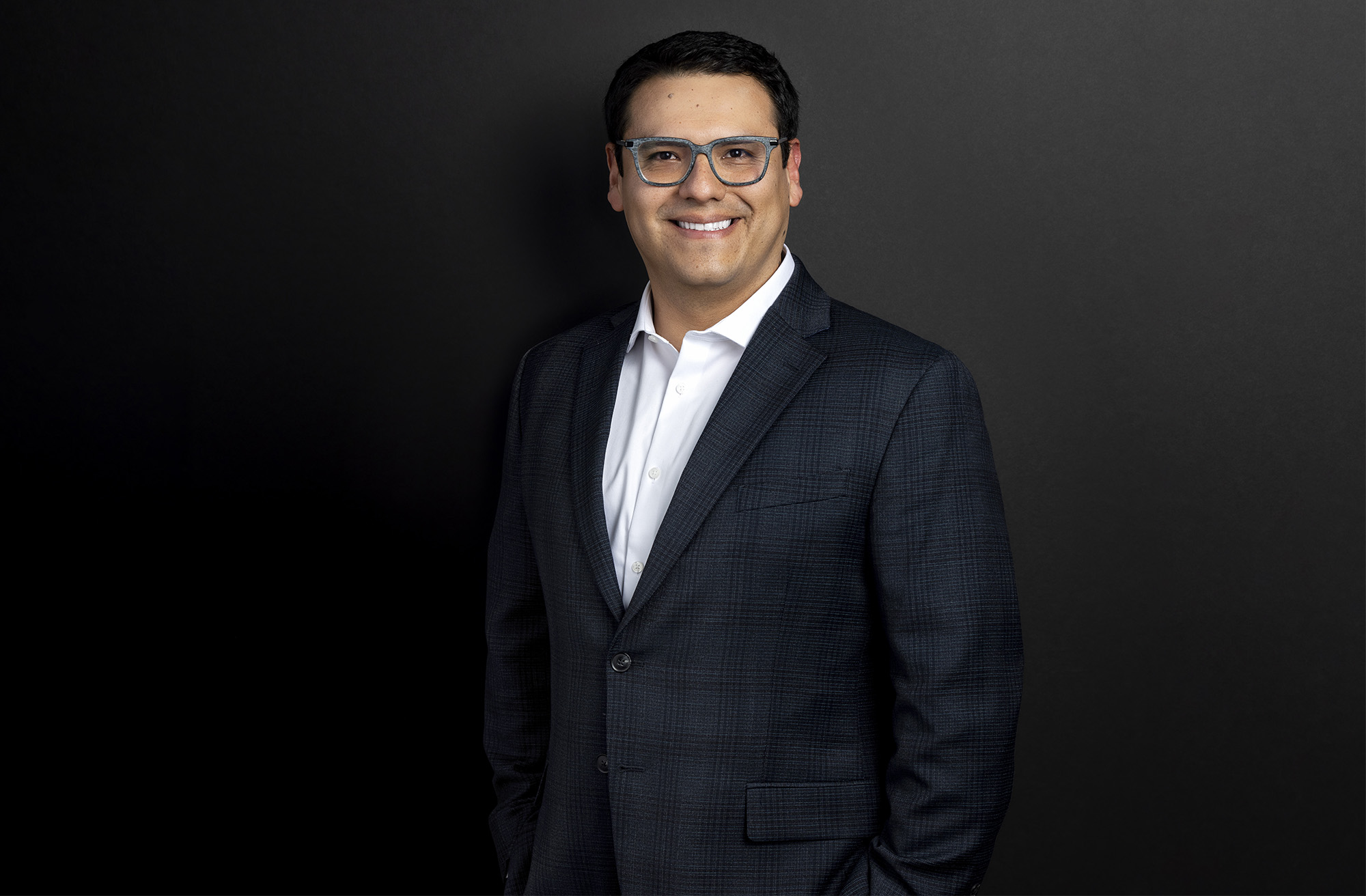
Manny Vasquez, vice president/partner at Pfefferle Companies, says e-commerce is driving some of the demand.
“As customers are expecting faster delivery times, companies are investing in cutting down on those delivery times and transportation costs,” Vasquez says.
At the same time, another strong driver for industrial space is that local companies are expanding and looking for space to grow or consolidate, he says.
“We just met earlier this month with a company in the area that’s looking for 100,000 square feet of industrial space because they have really ambitious plans to double their business in the next few years,” Vasquez says.
The challenge comes when that space isn’t readily available. A few new large-scale projects are helping to add available space, including the Southpoint Commerce Park in Darboy, which will offer a total of about 800,000 square feet of industrial space, Vasquez says. Pfefferle is also marketing its SouthPointe building project in Sheboygan, a 100,000-square-foot building that can expand significantly. The firm is also working with some municipalities to assemble and market available land mainly for industrial construction, Vasquez says.
But even with the current demand and sparse availability for manufacturing and warehouse space, Garritt Bader, principal at GB Real Estate Investments, sees industry holding back.
“My belief is that a lot of manufacturers and suppliers are just pulling back to be prudent and conservative with storage costs right now,” Bader says, adding that he attributes the hesitation to predictions about another recession or significant slowdown. “I personally don’t think that’s going to happen for many reasons now, but I think it was just a proactive step many took to shore up balance sheets to cut extra spending and just hunker a little bit.”
As interest rates start to come down and the investment planning horizon becomes clearer, companies may start to seek out that storage capacity again.
The economic uncertainty and mixed messages make predictions surrounding the market unclear, Dercks says.
“Do we head into a recession? Do we in fact see interest rate cuts in 2024? Those are some big factors as to how that shakes out for next year on the warehouse and the light industrial side,” he says.
Office space
Vasquez says the office market is “definitely sluggish after the pandemic, and hybrid and mobile virtual work is here to stay.”
“Frankly, it was here and very well utilized before the pandemic,” he says. “So what the pandemic did was just accelerated the trend that was already here.”
The Fox Cities has about 8-10% vacancy with office space, Vasquez says. However, he adds, companies also are looking to incentivize people to come back to work — as well as to attract new employees.
Employers are looking toward newer spaces, whether that’s brand-new buildings or renovating, upgrading and improving their current spaces.

“I think the key to that conversation is ‘recruiting and retention,’” Dercks says. Employers are incentivized to offer employees a place where they enjoy coming to work “and create an atmosphere where people are in those chairs, whether it is only for three or four days a week and that one day at home. You’re starting to see the demand for high-end new space, at least in the Fox Cities, as high as I’ve ever seen it.”
Companies are also looking toward central business districts as an attractive location. Companies like U.S. Venture, which just purchased the 222 Building in downtown Appleton, are catching on.
“That’s also where employees want to be, right? They want to have walkability to these amenities, food, entertainment nearby,” Vasquez says.
It’s more advantageous to companies to renovate a building than to build brand new, considering the interest rates and building costs, Bader says. That’s true for those firms looking to repurpose buildings into other uses, like the former U.S. Bank building in downtown Green Bay.
“We are far more insulated than other areas of the country in this asset class because of our previous low supply of it, or relative low supply of it,” Bader says. “But still where you have it, there’s going to be an evolution of what ‘office’ is.”
Retail
Post-pandemic, people want to return to the stores in person, and they’re attracted to shopping experiences as well as those downtown locations, Vasquez says. Larger outlets with “grab and go” options are seeing a surge.
“Discount stores like your T.J. Maxx, Marshall’s, Five Below, HomeGoods; those retailers are doing well and adding new locations,” Vasquez says. Demand for big box spaces that had formerly sat vacant is on the upswing. The closed Best Buy on the south side of Appleton, which temporarily housed the Appleton Public Library, will have multiple tenants.
“At the same time, there’s redevelopment opportunity at the malls, at the more traditional malls, especially with the anchor stores,” Vasquez says.

Bader is one of those developers working on upgrading mall space, as he is renovating the former East Town Mall in Green Bay into a mixed-use, walkable space that adds about 15,000 square feet of new space onto the existing 165,000-square-foot property.
“The death of retail has been greatly exaggerated,” Bader says. Since retail construction slowed significantly following the Great Recession, the market was left with “constricted supply, and in the meantime you had a number of retailers that had expanded nationally and really have grown significantly,” he says. That includes those off-price retailers like T.J. Maxx, Five Below, and dollar discount stores.
“They are all being very aggressive, but there isn’t space available.”
Multifamily housing
Multifamily is also doing well, as evidenced by the number of new apartment complexes coming up across the region, Vasquez says.
“It’s exciting because there’s been a really big need for housing for many years in our area, and I think that’s going to continue,” he says. “So this is, in a way, catching up to demand.”
In terms of long-term needs, “from affordable to market rate, from rentals to condos, homes, units, there seems to be a demand for housing across the board, which makes sense,” Vasquez says. “Our community is diverse in that way, so there’s a need for different types of segments.”
Multifamily has been a “real estate darling” leading up to and following the pandemic, says Bader, who has worked on a number of multifamily projects. “Right now, though, it’s probably a real estate sector that is most influenced by interest rates — it’s very difficult to build them right now.”
Additionally, a lot of space has become available at once. “There were a lot of projects that were started in 2021 that came online in late ’22, early ’23 and are still coming online, so in many areas you have now more supply chasing the same renter pool, and rates can’t increase as high with more supply,” Bader says.
With inventory and supply as high as it has ever been, as well as a strong demand, Dercks says the question becomes “at what price point can the tenant afford?”
And those same variables in the market — the possibility of recession, student loan repayment and interest rate stability — will have an effect. “Right now there are people on both sides of the fence that are bullish and think we’re going to blow right through this, and others not so much,” Dercks says. “Taking all of those other factors into consideration, we’ll be keeping a close eye on those as we head into 2024.”