
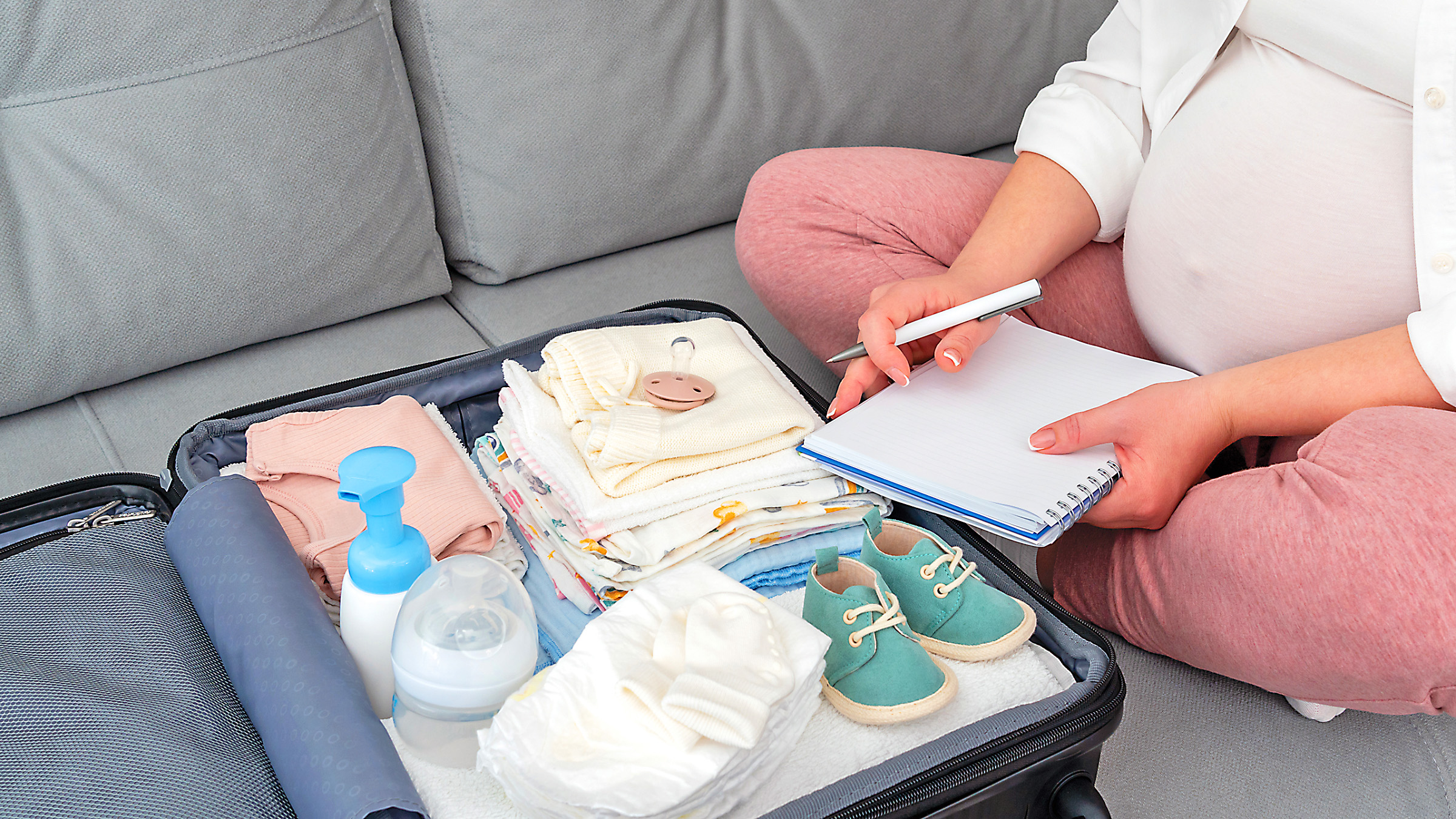

When ThedaCare Medical Center – Waupaca closed its labor and delivery department in mid-February, it followed a regional — and national — pattern.
“Closing labor and delivery departments is a trend happening in rural areas … as more hospitals have trouble with Medicaid reimbursements and staffing,” says Usha Ranji, associate director of women’s health policy at KFF, a health policy research organization. “It’s unfortunate, but it’s a trend we will likely see continue.”
ThedaCare Medical Center – Waupaca became the sixth Northeast Wisconsin hospital since 2010 to close its labor and delivery department. The other hospitals that have closed their L&D departments include Bellin Health Oconto Hospital; HSHS St. Clare Memorial Hospital, Oconto Falls; Ripon Medical Center; ThedaCare Medical Center – New London; and Froedtert Holy Family Memorial in Manitowoc.
Statewide, Wisconsin’s rural hospitals do better than the national average when it comes to offering maternity services. The Center for Healthcare Quality and Payment Reform, a national policy center, reports about 57% of rural U.S. hospitals do not have labor and delivery services; in Wisconsin, it is 49%.
Ranji says health providers are moving away from labor and delivery service in some areas because of low Medicaid reimbursement rates. On average nationwide, Medicaid is the main payor in 4 of 10 births, and it pays at a much lower rate than private insurance, she says.
Demographics can be another driver in closing labor and delivery units, Ranji says.
According to the National Center for Health Statistics, the general fertility rate in the United States decreased by 3% from 2022 to 2023, reaching a historic low. From 2014 to 2020, the rate consistently decreased by 2% annually.
“In rural areas, the population is aging and the number of births may be declining,” Ranji says, adding: “It’s not ideal to have women drive 35, 45 minutes or more to deliver.”
That holds true in research, too. According to the “Association of Driving Distance to Maternity Hospitals and Maternal and Perinatal Outcomes” research paper published by the American College of Obstetricians and Gynecologists, “longer distances to the delivery hospital were associated with greater risk of adverse maternal outcomes and neonatal intensive care unit (NICU) admission.”
“We have seen rural health systems face several challenges in maintaining labor and delivery services. The farther women live from a location that provides labor and delivery services, the higher the chances are of an out-of-hospital birth and increased risk for peri‑birth complications for both the mom and the baby,” says Ryan Spencer, OB-GYN rural residency director with UW Health.
Spencer adds that long drive times before delivery lead to decreased prenatal care, which can cause health dangers for both mom and baby. Some dangers for moms include high blood pressure, premature placenta separation and excessive bleeding.
“The baby can have respiratory distress or a slow heartbeat that requires personnel training in neonatal resuscitation,” Spencer says.
Not without a fight
When news broke in late November that ThedaCare would be ending its Waupaca labor and delivery services, the community response was swift and harsh. The Waupaca city council passed a resolution asking the health system to change its decision; an online petition requesting the labor and delivery unit stay open received more than 3,500 signatures (which is more than half of the city’s population); and protests were held in Waupaca and in Neenah, where the health system is headquartered.
“The community felt completely blindsided by the decision to close the L&D unit,” says Jane Peterson, who served as a midwife for 40 years and was part of a group of former health care providers who fought to keep the unit open. “Even the providers didn’t know it was coming. It’s been really hard to take.”
With the closure, women living in Waupaca and surrounding areas now need to drive to Stevens Point or Neenah to deliver their babies — with both rides being at least 45 minutes.
And the 45-minute drive estimate only accounts for when the weather is good. Snow or other poor weather conditions could make the drive longer, Peterson says.
“It’s going to cause barriers to some people who may not have reliable transportation and also a higher cost for gas,” she says. The longer drives “also raise the health risk for both mom and baby.”
ThedaCare said in a statement it’s been committed to providing access to safe, high-quality health care for more than 115 years.
“As our communities change, we must adapt with them to provide the right level of care at the right place. The needs and demands of expectant mothers are shifting — deliveries have been declining, and mothers are choosing to deliver at larger birth centers. The shortage of physicians and nurses in rural areas is an issue being felt across the country and in our region, as labor and delivery complexity is increasing,” the organization said.
“Because of our dedication to the people we are privileged to serve in the Waupaca area, this decision was not made lightly. It is important to note that this decision was not made for financial reasons, but instead about adjusting our resources to ensure safe, high-quality care for Waupaca.”
ThedaCare says moms-to-be can still receive pre- and post-delivery care at the Waupaca hospital. For their delivery, they can work with ThedaCare hospitals in Appleton, Berlin, Neenah or Shawano.
Peterson says ThedaCare had an opportunity to show it’s a leader in rural health care by keeping the Waupaca labor and delivery unit open.
“There was no consideration for them to change their mind. Women make the majority of choices [about] where their family receives health care, and now if they have to go to Neenah to deliver they could decide to seek more care there, too — which would be bad for our hospital,” she says.
New tool helps new moms stay safe
As rural hospitals cut labor and delivery services, concerns grow over the challenges new mothers face in receiving timely, lifesaving care. The postpartum period carries significant health risks, yet many women may not realize they are experiencing life‑threatening complications until it is too late. To address this gap, SSM Health has introduced a new tool to improve postpartum care.
Earlier this year, SSM Health launched a first-in-the-state post-birth alert program. All women delivering at SSM Health St. Agnes Hospital in Fond du Lac and other SSM hospitals in Wisconsin will be given an orange bracelet to wear for at least six weeks after they give birth. The bracelet serves as a visual identifier to medical teams that the patient recently gave birth and could be experiencing a post‑pregnancy complication like blood clots, hemorrhaging, sepsis or cardiomyopathy.
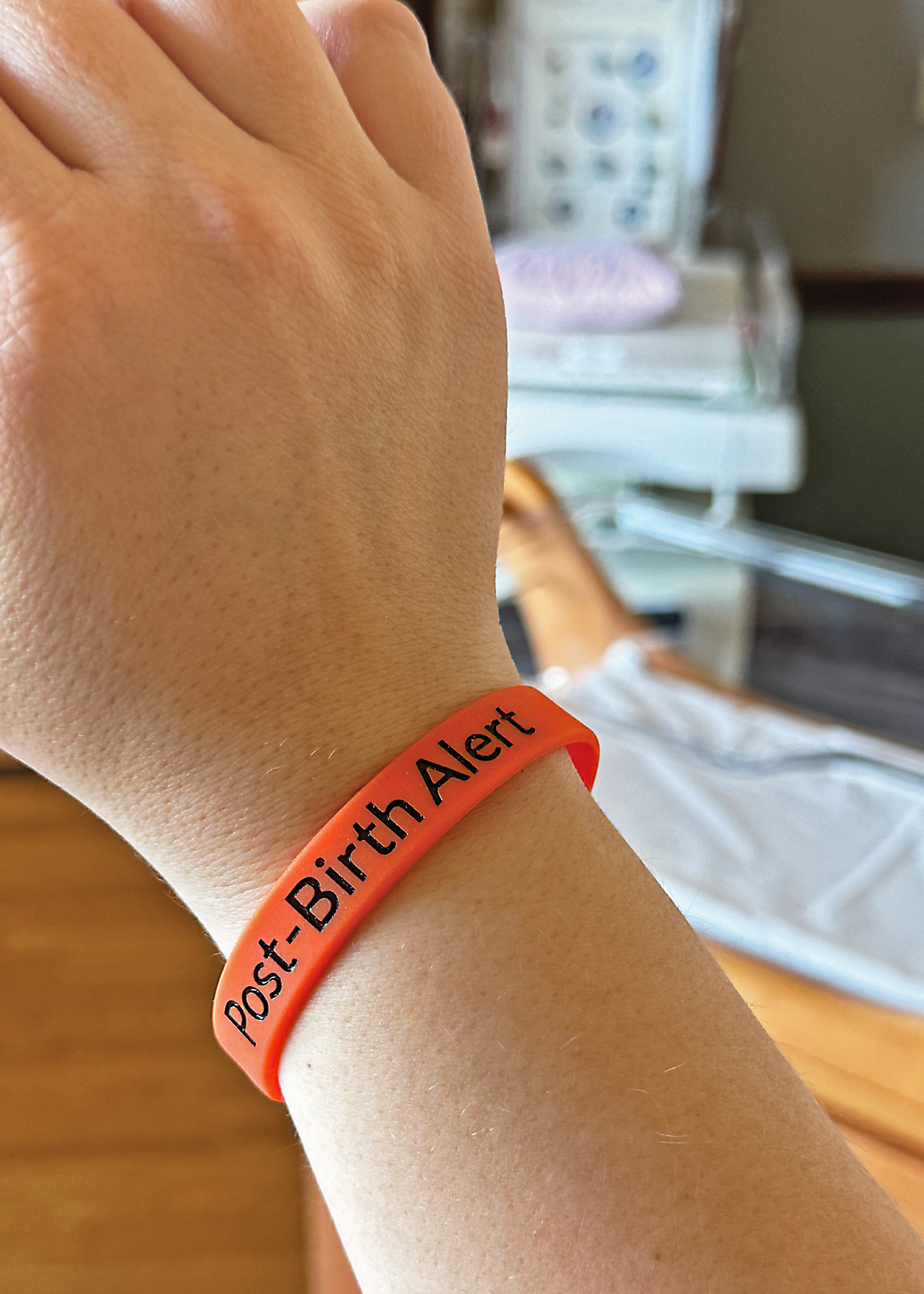
According to the Centers for Disease Control and Prevention, 817 women died in 2022 from maternal health related causes. More than two-thirds of these deaths are considered preventable.
“Many postpartum deaths could be avoided if post-pregnancy and delivery complications were identified earlier in medical emergencies,” says Loraine Carley, women’s health manager at SSM Health St. Agnes Hospital in Fond du Lac. “These bracelets could save a mom’s life by making emergency responders and clinicians aware of potential post-pregnancy complications earlier in an emergency, leading to better care for women in this critical post‑partum time.”