When craft and sewing giant Joann Fabrics closed all of its 800 stores earlier this year, it was a blow for crafters and quilters who relied on the chain for an abundant selection of fabrics, notions and supplies.
But crafters are by nature problem-solvers, and experts in the makerspace say there are plenty of other sources for supplies, whether it’s through online purchases or visits to small niche crafting and quilting stores in the region. There are even some that offer crafting‑on‑a‑tight‑budget options.
And they say crafting as a hobby is just as big as ever, with a new generation discovering the joy of making things themselves.
Piece by piece
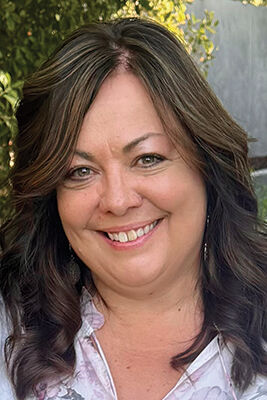
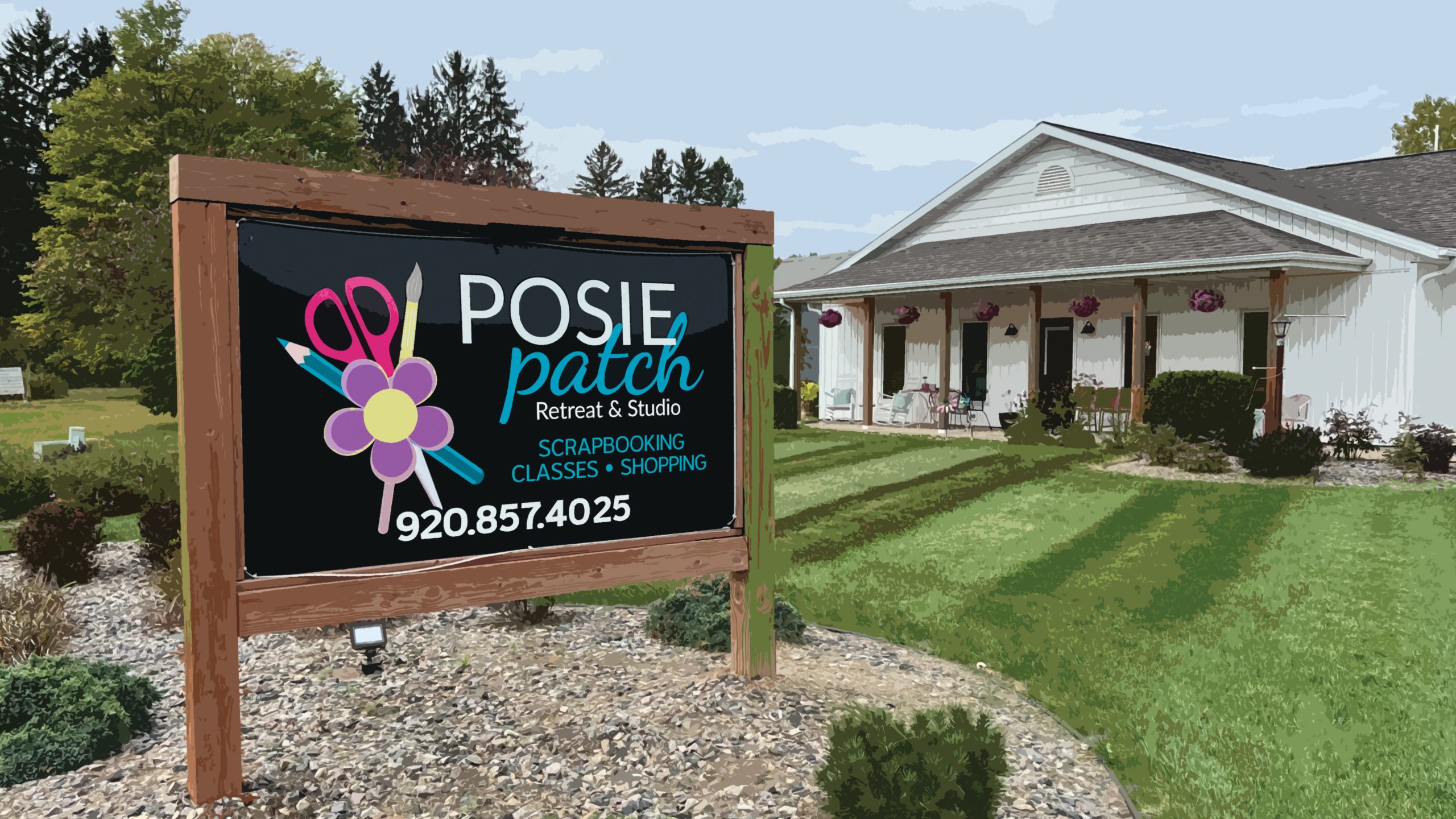
Connie Korpan, a former Creative Memories scrapbook adviser and grade school teacher, opened the Posie Patch retreat center in Suamico in March 2013 in a former home décor store. The center includes an expansive crafting room with large individual tables for crafters, a full kitchen, and shared bedrooms so crafters don’t even need to leave at the end of the night. The Posie Patch has three differently sized retreat spaces in two locations. The Posie Patch was opened specifically for crafters like scrapbookers, knitters and quilters, though it is open to other retreats such as family reunions.
“I have always loved scrapbooking and hosting scrapbooking events and retreats, and when I moved to Wisconsin from Arizona, I really wanted something in winter that was indoors,” Korpan says. “So crafting and meeting new people through Posie Patch was what I chose to do.”
Korpan wanted to establish a place that was bright, clean, safe and fun for women to spend time together, she says. “I feel like women just, you know, give, give, give a lot to everyone else and are helping everyone. And this was their time to just decompress. So crafting is kind of the means to get people together.”
Productivity among the groups varies, she says. “Some weekends there’s not a lot of crafting going on, but people are having a good time. And some weekends there’s a ton of crafting going on, and then people are happy because they’ve accomplished something.”
Regardless, it’s a great way for people to connect. Quilters may have memories surrounding particular fabrics that they can share. Scrapbookers can talk about their pictures. “It’s just a really nice way just to sit and talk or support each other,” Korpan says. “If you share that you had a rough week or a rough month or whatever it is, then you’re surrounded by women who you know will lift you back up and just kind of support you.”
That’s how Korpan chose the ‘posie’ part of the business name, as a posie is a small bouquet of flowers that you give to a friend. “And a ‘patch,’ I just figured this is just my little patch in the world, and I want to give this to my friends, to give this to people, to just have a nice little space.”
The Posie Patch also has a paper crafting store onsite, but not fabrics. She says some of her quilting retreaters have said they take road trips specifically to find good quilting stores.
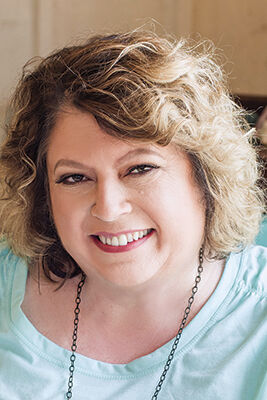
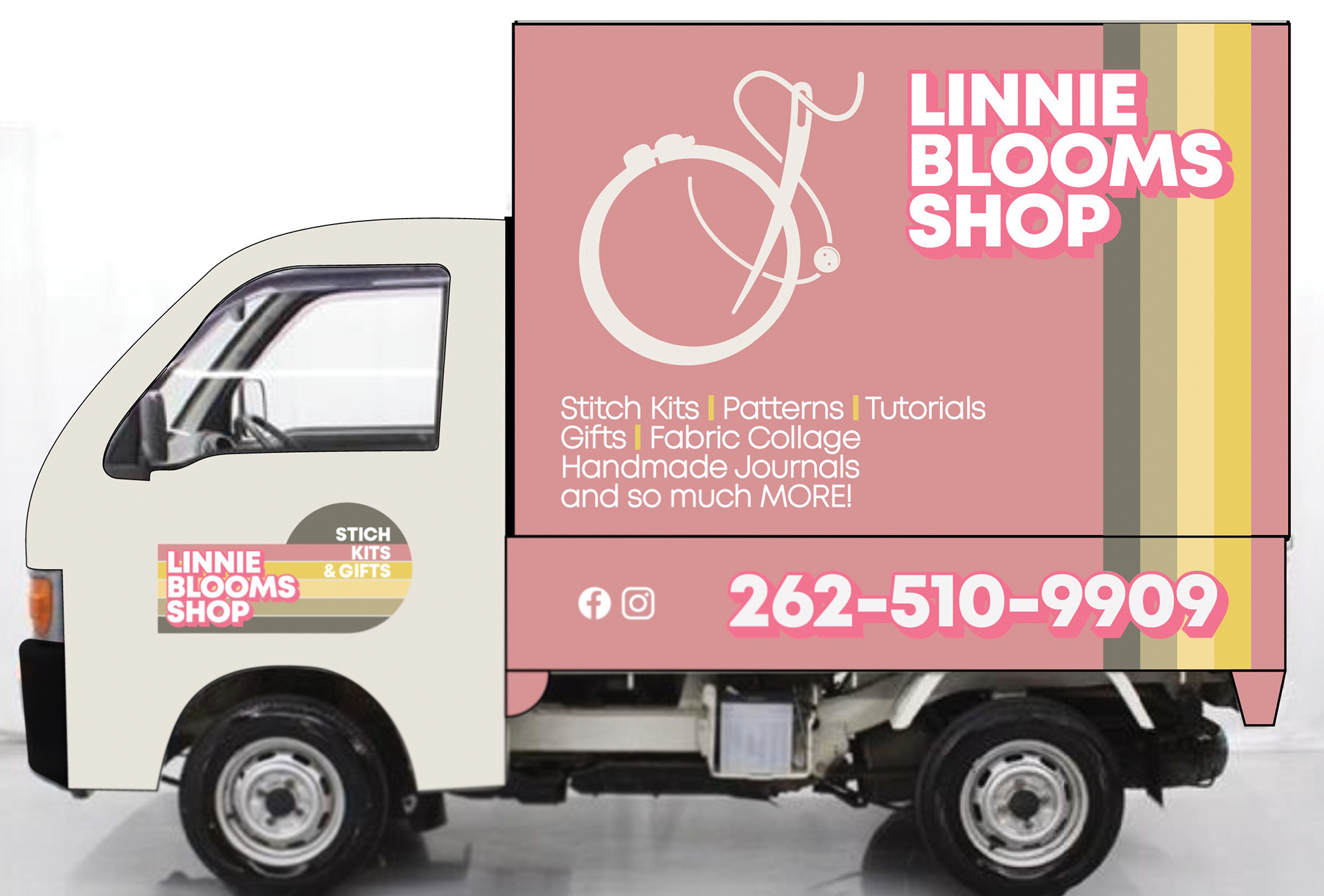
Linda Barutha, who lives in Cambridge, recently hosted a journal-making workshop at the Posie Patch with instructor Tracy Reeb. Barutha is opening her own mobile business, Linnie Blooms Shop, which will travel the state offering trunk shows, classes and kits with fabric collage and hand-stitching projects. She says she’s excited to share the skill with people.
“Hand stitching is not hard at all, but people are intimidated,” Barutha says. “You know what I mean? And the thing is, it is like anything else. If you just try it, you’re going to realize it’s not hard.” Even if people don’t initially stay with a project or hobby at first, “what I have found is when you get older in life, you love to pick up those things that you learned and turn it into a hobby that really relieves a lot of stress.”
A growing trend
Barutha began diligently pursuing creative activities in the late 1990s when blogs were new. “It just kind of inspired me to keep trying. I remember reaching out to a blogger that I used to follow, and asking her, ‘Can we just have a phone conversation?’ … Creative people are just so generous.”
Barutha realized the crafter didn’t place limits on herself regarding her abilities. “It’s the internal limits that we put upon ourselves, and there’s no reason for that,” Barutha says. “And then it opens your eyes to all the other things you could attempt.”
Barutha says businesses like hers are helping to fill a gap left by the closure of chain stores like Joann and Hancock Fabrics before it. Crafting remains as popular as ever, and Barutha is noticing more 20- and 30-somethings turning to handmade crafts.
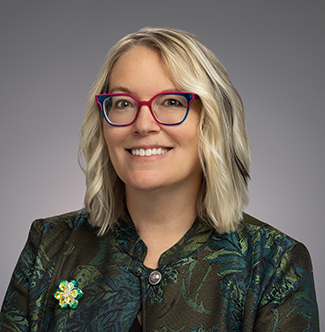
Kim Geiser, owner of Sheboygan-based Hello Happiness, sees shoppers of all ages in her store.
“I would say in the beginning we had more older people, but we are definitely getting more like that high school‑to‑25‑year‑old range … it’s almost like grandma hobbies are kind of cool right now,” she says.
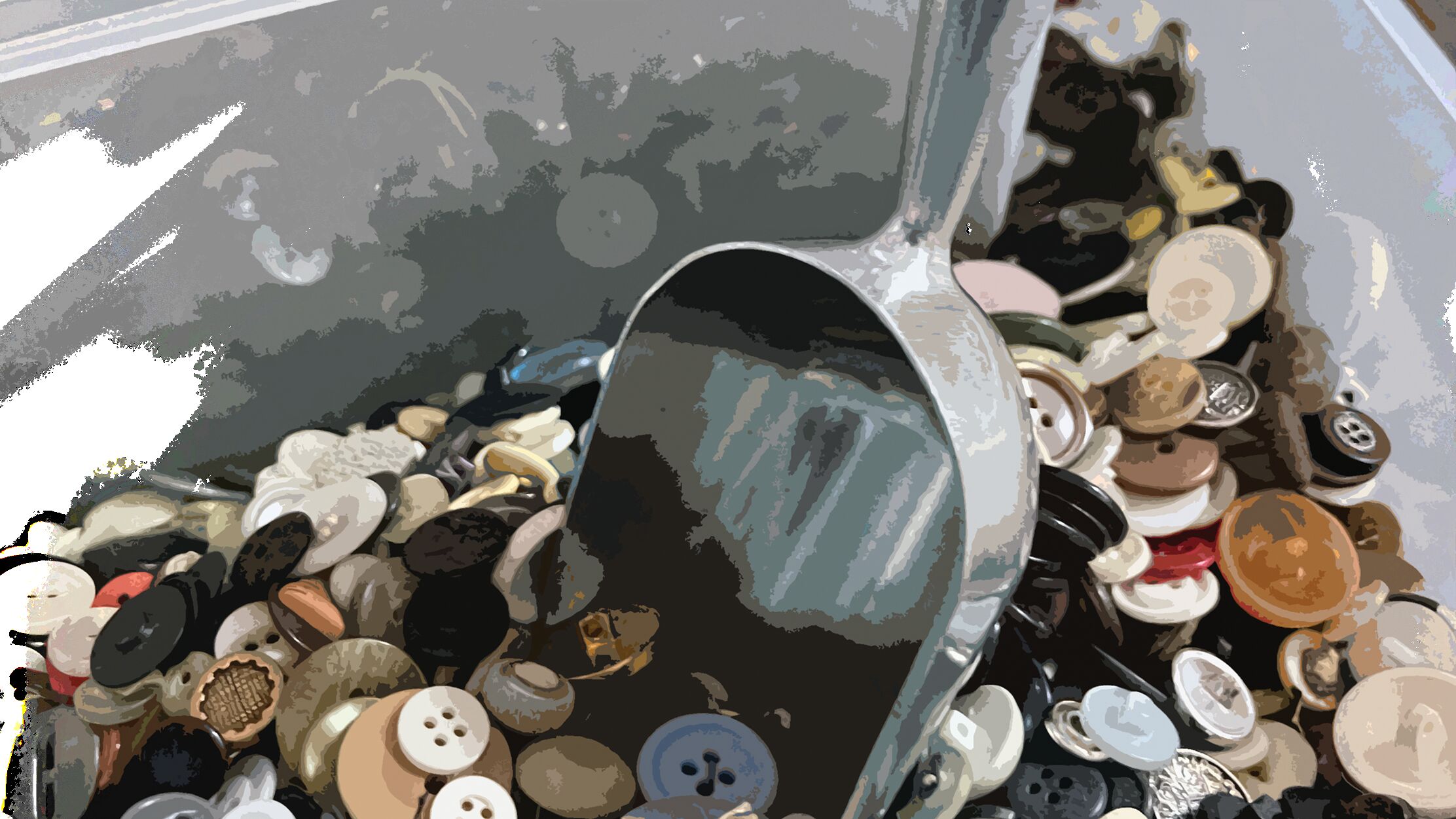
Hello Happiness is a creative reuse center, which is basically a giant thrift shop with only crafting and art supplies. The store has multiple rooms with bins and bins of supplies, including a fiber arts room with fabrics, buttons, yarn and “everything you need for sewing,” Geiser says. “Everything you need to be creative is here.”
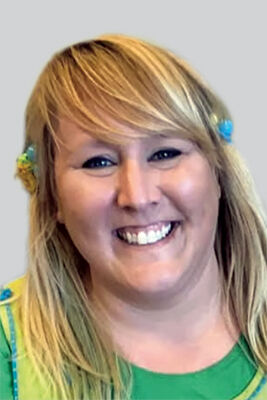
Geiser, who is an artist, put the idea to start a creative reuse center out to her Facebook friends, and one anonymously donated $100,000 to start up Hello Happiness as a 501(c)3 nonprofit.
That was five years ago, and now the store is so busy that Geiser is looking for options to expand.
“People are hearing about it from farther and farther away as the word gets out,” Geiser says.
According to a store survey, 40% of her visitors come from more than 30 miles away.
“It has steadily been getting busier,” Geiser says. “I do know that there are people who come here and say that they don’t have anywhere to buy fabric anymore. There are small quilting stores that are still out there, and I encourage people to visit those. I think when people come here to look for fabric, now they see how much other stuff we have. But yeah, I think [the Joann closure] had an impact for sure.”
But Sheboygan still has a Michaels and a Hobby Lobby. Dollar stores also are a good place to find some inexpensive craft items. “So there’s not really a lack of places to go,” Geiser says. “I think the appeal to people to come here is really just that people are strapped for cash right now.”
Hello Happiness intentionally keeps its prices very low, allowing it to be economically inclusive. The store has had visits from people experiencing homelessness, and Geiser always has an area with free items like paper and pencils to ensure no one goes away emptyhanded. “The kind of big plan is to really expand on that community and giving and trying to integrate into other nonprofits and figure out how we can do more,” Geiser says.
Environmentally, the center also has an impact in that it processes about 2,000 pounds of donations each week. As a creative reuse center, Hello Happiness is able to use more of the donated items than a traditional thrift store might.
“A lot of bad stuff would just be thrown away or recycled because it’s too much to deal with,” Geiser says. “But here we take every piece of paper and try to figure out a way to use it.”
Creativity is a human trait, she says. She cites a classic NASA study by Dr. George Land that determined 98% of 4‑ to 5-year-olds are creative geniuses. By the time we’re adults, only about 2% of us are.
“So we are born creative, but we kind of all lose that as we worry about what other people think of us,” Geiser says. “That’s bad, because from creativity comes problem-solving and innovation.”