


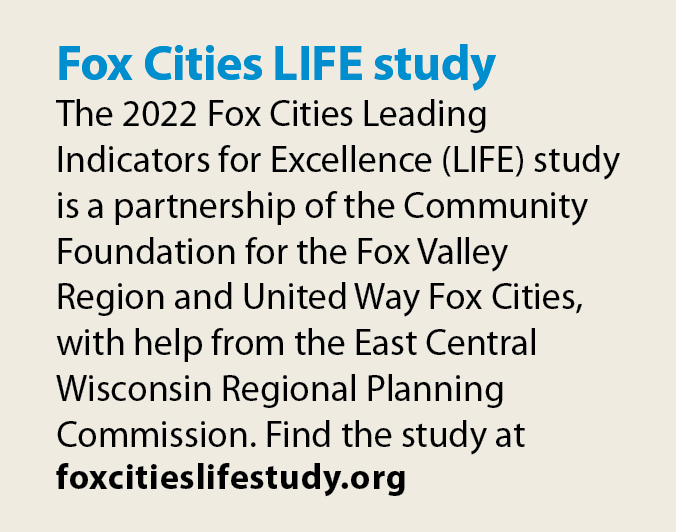
Throughout the New North region, municipalities and economic development organizations are taking notice of changing demographics. In fact, chief among the key changes identified in the 2022 Fox Cities Leading Indicators for Excellence (LIFE) study was the community’s growing diversity.
Recognizing the potential for growth, officials are offering new programs and resources to assist up-and-coming minority-owned small businesses throughout the region. Many experts say that awareness is key to helping connect diverse small business owners with resources that can help them along the road to success.
Recently, Jesus Nañez stepped into the role of program outreach manager for the Institute for Business & Entrepreneurship at the Wisconsin Small Business Development Center (SBDC). Nañez will serve as a Spanish-speaking resource to Wisconsin’s growing Hispanic population, which according to census data grew by 7.6% from 2010 to 2020.
Across Wisconsin, Nañez sees the Hispanic population growing in places where large employers have been actively recruiting workers. Many are Spanish-speaking, and many arrive with family members who also are looking for work.
“Not only does the family need something to do, they need ‘things,’” Nañez says. “They need products; they need services. So, every one of these major employers, whether they know it or not, is creating these little ecosystems for businesses to flourish within those communities.”
A Milwaukee-area business owner himself, Nañez knows firsthand the needs and challenges specific to entrepreneurs in the Hispanic community.
“Number one is access to capital,” he says. “I think the biggest issue is people don’t know how to access capital, or don’t know what type of capital is available for the projects they’re doing.”
The second is building stronger connections with local municipal officials to help facilitate licensing, construction and other components needed to establish new businesses.
“If you can get the municipalities to champion that project, you can really springboard into greater things and develop relationships,” Nañez says.
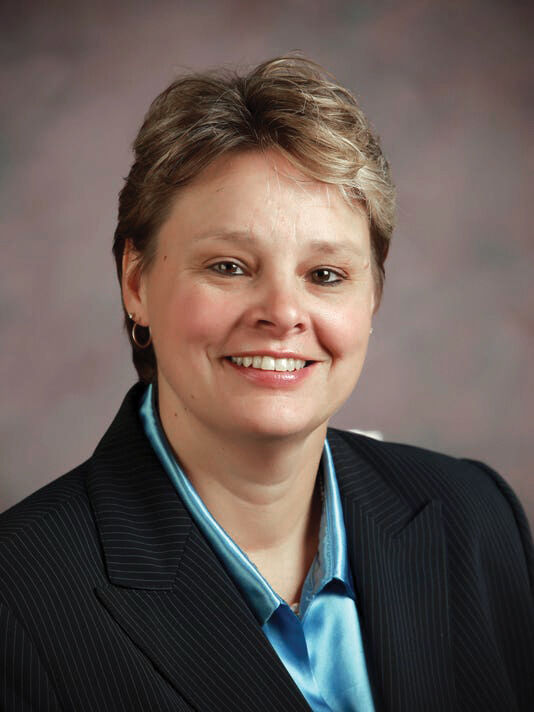
Tara Carr, director of the SBDC at UW-Green Bay, says her office tapped into federal CARES Act funds to hold in-person events to reach out to the BIPOC (Black, Indigenous, People of Color) community. The goal was to encourage people who were in various phases of their small business journeys to connect to SBDC resources.
“We try to eliminate a lot of the hurdles [to] even becoming clients,” Carr says. “The big picture is having some type of supportive ecosystem. You need to be able to connect people where they’re at, and then be able to tell them about the resources that are available.”
For any entrepreneur, knowing what’s involved in turning an idea into a business is key to success. Minority populations often have extra challenges. For example, Carr says, data shows a huge deficiency in funding for diverse small businesses.
The SBDC works with minority entrepreneurs on establishing early credit and banking relationships to help improve their ability to obtain business loans and ensure ongoing resources are available.
The Greater Green Bay Chamber also offers resources through its programs such as the Startup Hub and Urban Hub, helping entrepreneurs connect with subject matter experts like lawyers and insurance officials.
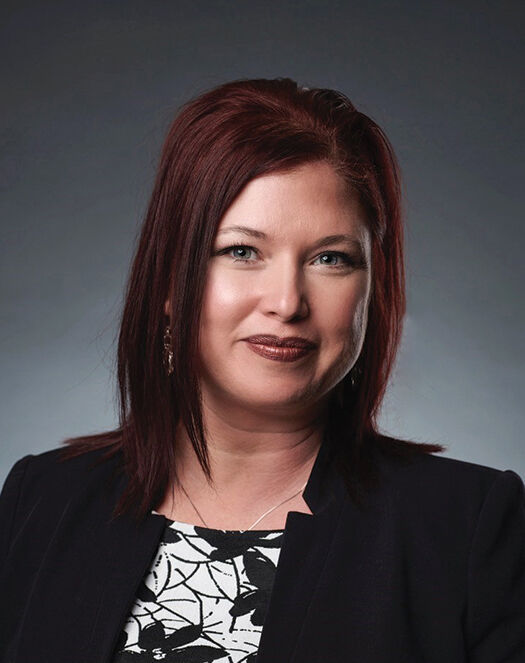
Kelly Armstrong, the Chamber’s vice president of economic development, says COVID’s impact on small business highlighted the need to ensure business owners know where to go to access capital, help with writing a business plan or leasing a building.
“What are the things you wish you would’ve known when you started the business?” Armstrong says. “We can get you connected to those resources. It can be something as easy as connecting you to a mentor.”

The Chamber, in partnership with the city of Green Bay, also recently hired Maria Padilla in a new role as diverse small business manager.
“We know that small business is the backbone of our community, and we want to make sure that they’re getting connected to resources that they need,” Armstrong says.
Padilla says she will help connect business owners and entrepreneurs to the resources that are currently available, as well as potentially develop new programs based on current unmet needs.
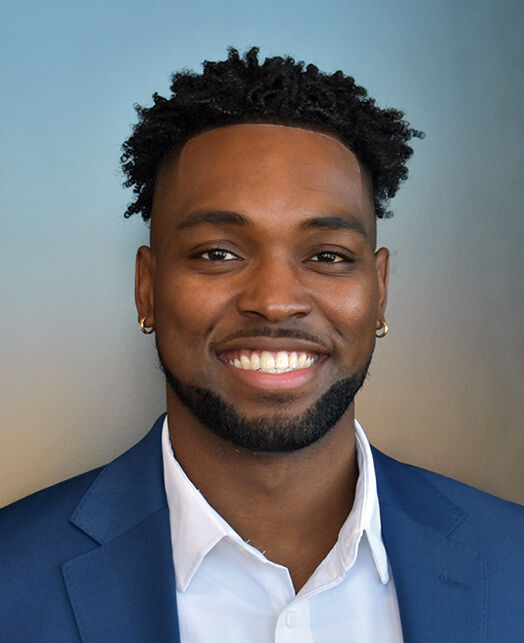
Lamarr Banks, Urban Hub community manager for the Greater Green Bay Chamber, recently led the new Blueprint accelerator program, a partnership between the Chamber and New North Inc., focused on supporting minority, female and veteran founders of business.
The program has completed two cohorts of nine startups, the first aimed at helping idea-stage companies connect with funding, with the second focused on market-stage validation.
“I tried to connect them with people that I believe could help them push their business to the next level,” Banks says. “We do our best to make sure we’re providing resources to the area through our spaces. In the process, you meet a lot of other entrepreneurs.”
Such programs help build a strong local ecosystem for diverse business owners, Banks says. Getting leaders out and connecting with minority business owners and talking with them about what their needs are can help even more.
“Your business is your baby,” Banks says. “You have a lot of concerns. We need to have someone that minority founders are comfortable with connecting to, and being open and honest talking about their business, and what they need for it.”
Amy Woods and her husband, Josh, completed the Blueprint program as founders of FAVORYT, a maker of natural beard care products that is in the process of launching products on Amazon.
“I think when we went into it, we were lacking direction,” Woods says. “We knew what we wanted to do. We knew we had good products. But we didn’t have the way to get there.”
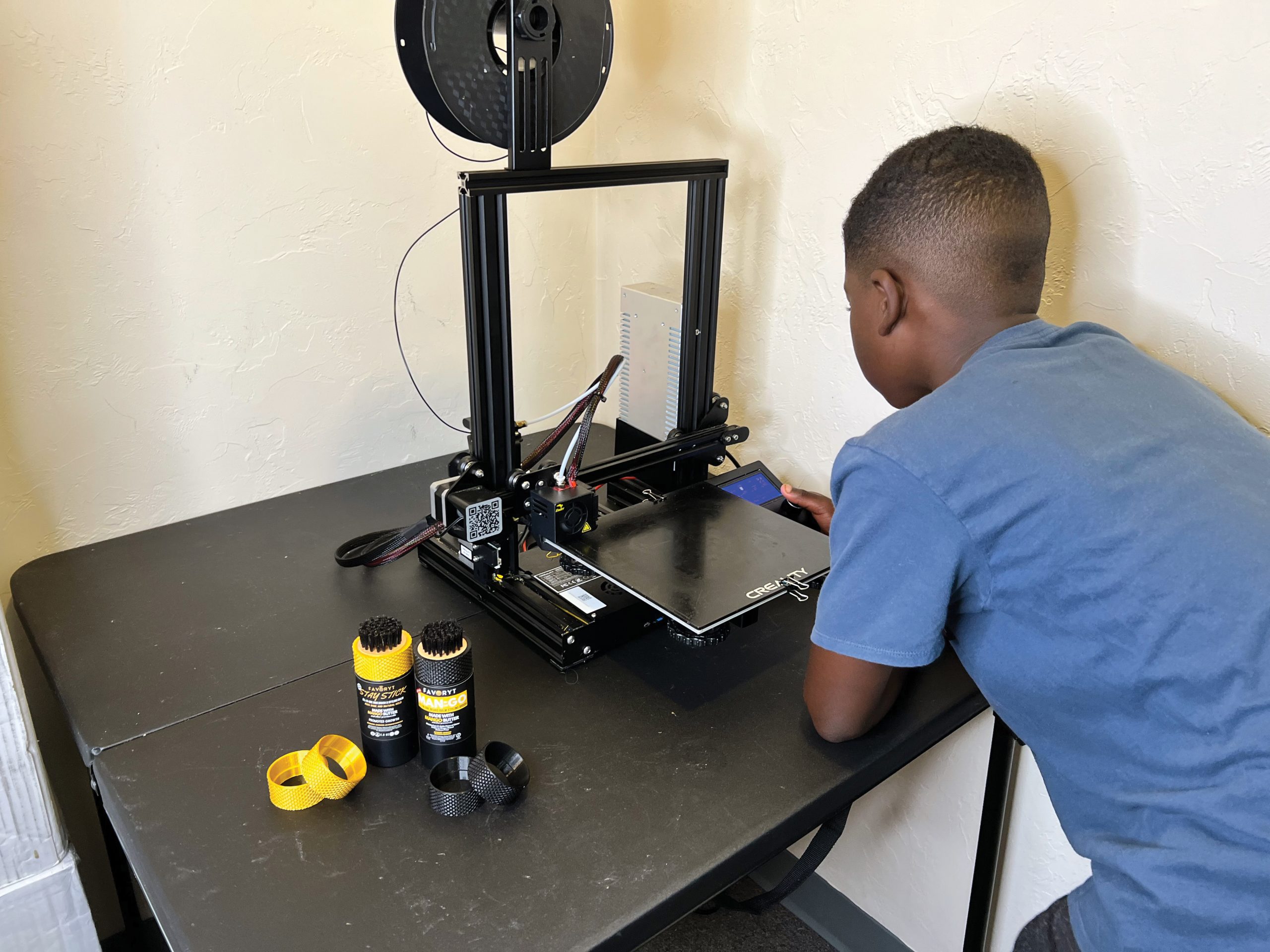
Woods says for Black-owned businesses, knowing where to access resources is key to growth. “I felt like we were kind of the last to know about grants or how to get funding or just basic mentorship or resources,” she says.
But Woods learned about Blueprint through the Green Bay nonprofit We All Rise, an African American Resource Center. As community organizations get involved and connected with economic development agencies, more people are taking advantage of the resources available to them.
Blueprint helped create a way for the Woodses to keep the momentum going, to learn how to pitch effectively, and to identify their key target markets.
“Once we were able to do that, it just helped with every other aspect of our business down to marketing the pitch,” Woods says.
The program also put the Woodses in touch with a mentor, Ron Franklin of the Startup Hub, who assisted with product development and 3D printing.
“The mentorship and the information that they shared in the courses is not stuff that you could find on Google,” she says. “It was high level, tailored to our specific industries and our business.”

Helping small businesses get launched has ripple effects on the greater community. FAVORYT, for example, is donating 5% of the proceeds from its hairstyling stick to the organization Lovin’ The Skin I’m In, an organization founded to support Black, brown and biracial girls in Northeast Wisconsin. The company also plans to launch an initiative to share 3D printers with local after-school programs to encourage other youth, like her son, Josh Jr., who works with the 3D printer at FAVORYT, to build an interest in STEM.
Programs like Blueprint ultimately will help build and retain diverse talent in the region, says New North, Inc. President and CEO Barb LaMue.
New North, a Blueprint partner, recently connected with the Milwaukee-based Forward 48 program to help connect young talent in the region with leadership training, mentorship and networking, LaMue says.
“Through this, we hope they’re building lifelong friends and colleagues, not only just in Northeast Wisconsin, but across the state. And [it] certainly will help us address the retention of diverse talent,” she says.
While Forward 48 is open to any young emerging leader, out of 192 program participants, 55% have identified as female and 49% as BIPOC.
New North has a number of initiatives in the works: The organization is partnering with the Green Bay Packers Mentor-Protégé Program to develop a program targeted toward women-owned, minority-owned and veteran-owned companies in rural parts of the region. It’s working with gener8tor and the Bay Area Workforce Development Board on a skills accelerator program, and it’s partnering with the workforce development board and Appleton-based African Heritage, Inc. on a program called Hidden Talent, a digital literacy hub with resources for jobseekers.
“With the last census, we’ve been watching the diversity numbers and they are increasing, and we know it’s so healthy for our community to have diversity,” LaMue says. “Different eyes see different things. And it’s a really good change for our communities.”