

The day President Donald Trump took office, he immediately issued executive orders dissolving federal programs, offices, roles, grants and performance requirements related to DEI (diversity, equity and inclusion).
The next day, another executive order “encouraged” private sector businesses to “end illegal DEI discrimination and preferences,” instructing the Attorney General to issue a report within four months that would include recommendations for enforcing federal laws and “taking other appropriate measures to encourage the private sector to end illegal discrimination and references, including DEI.”
These executive orders have already affected organizations that depend on federal funding, including educational institutions. How private companies may be affected remains to be seen, but the president suggested there will be further actions against DEI initiatives that reach into the private sector. During his joint address to Congress March 4, Trump said “we believe … you should be hired and promoted based on skill and competence, not race or gender. Very important. You should be hired based on merit.”
But in a time when finding skilled talent is a challenge for many local companies, those with robust DEI-related programs say they do hire on merit; their initiatives are simply about helping to find the people who are qualified for open roles, as well as to improve retention among current staffers by building a culture of belonging.
The benefits of DEI
In a written statement, Barb LaMue, president and CEO of New North, Inc., said merit conversations around DEI have become increasingly pervasive. Due to its broad scope, “DEI can be complex, polarizing and misinterpreted,” LaMue said. “One prevalent misunderstanding is that DEI initiatives are about advancing certain groups at the expense of others, rather than fostering an inclusive and equitable environment.”
But when initiatives are “implemented thoughtfully, efforts prioritize meaningful, long-term systemic change over quotas, numeric goals, or symbolic gestures,” LaMue said. “Respecting human dignity and ensuring that all individuals can contribute and thrive without fear of discrimination should be a universally acceptable principle.”
New North, Inc. views DEI as “a means to grow our economy with new business development, which requires the retention and attraction of talent to northeast Wisconsin, rather than as a process for exclusion,” LaMue said. “Our conversations encompass rural communities and diverse populations, considering factors such as gender, ethnicity, military service, physical and emotional disabilities, and socioeconomics.”
Research shows that diverse teams perform better, “leading to stronger financial outcomes, better decision-making and enhanced innovation,” LaMue says. “Inclusive workplaces also improve employee retention, mental health and community well-being. Additionally, companies benefit from reflecting the diversity of their customer base, which can lead to increased sales and a broader market reach.”
New North, Inc. has seen the power of diversity firsthand, LaMue says. Marketing campaigns like the organization’s ‘More YOU in NEW’ promote an inclusive environment, which contributes to regional growth, she said. “Additionally, we facilitate best practice discussions with corporate partners. Addressing concerns about DEI aligns with our core belief — ensuring all voices are heard. We believe a more inclusive economy benefits everyone.”
DEI in the construction industry
While many private companies were contacted about this article, the few that agreed to participate all fell under the umbrella of construction, an industry that has had to focus particularly strongly on talent attraction in recent years. These companies say inclusive practices not only allow them to find new sources of skilled workers, but also to retain the workers they already have.
For example, in January 2023 Walbec Group created a new director of diversity and inclusion role. It was filled by Daniel Webster, whose efforts include building relationships with community-based organizations across the state. “These have been good resources for us to create on-ramps that focus on underrepresented groups to obtain careers within heavy highway construction,” Webster says. One of those is the HCST (Highway Construction Skills Training) program, a Wisconsin DOT-funded, certified pre-apprenticeship program focused on women and minorities.”
Webster, an Oneida Nation Tribal member, is himself a 2014 graduate of HCST and started in the industry as a flagger — “the most entry-level role in the industry,” he says. He worked full-time while earning his undergraduate degree, coming to Walbec in 2018 as an HR business partner. “That really allowed me to expand and double down in regards to our efforts with some of the community engagement that we are doing,” says Webster, who later returned to school for an MBA.
“When I came into the industry — I think this is the power of representation — people started to pay attention to my career progression, and it drummed up this interest throughout my community for people to get involved,” Webster says. “I was able to connect some of the dots to help people access this certified pre-apprenticeship program, which really positions them to come into the industry.”
Webster points out that the Walbec team also is focused on “representation throughout all levels of our organization,” he says. These efforts are important to keep the industry thriving. “I think that everybody understands that the demographics are shifting, and so are the same places that we’ve historically found talent.”
Walbec also is focused on retaining the talent it recruits. The company’s three “affinity groups” are meant to help build community, focusing on young professionals, women and “UVOW,” or United Voices of Walbec — a diversity and outreach group.
As a seasonal industry, “our culture really has to be strong in order to retain folks within our organization, and then to also develop them and keep them here, and I think that we’ve done a really good job at doing that,” Webster says.
Understanding DEI
Much of the rhetoric around DEI programs has become politically charged as the national spotlight falls on these initiatives.
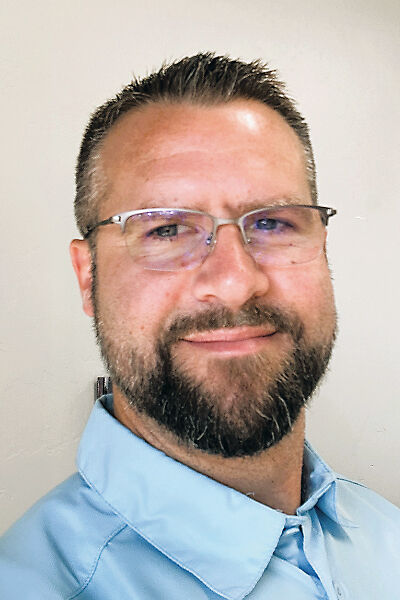
“I think that some of the misconceptions are with this notion of preference,” says Webster, who points out that Title VII of the Civil Rights Act of 1964 already prohibits companies from hiring based on certain characteristics. “So when we talk about wanting the best people and making the best decisions, we’ve always hired the folks that have been the most qualified for that role.”
Craig Hintz, corporate recruiter for Walbec Group, says the company’s work in DEI is not about limiting anybody. “What we’re actually doing is just opening doors for those who maybe did not know there was a door there before,” Hintz says.
Every organization is on its own path, and “you’re always going to have employees that have their own personal values and opinions in this space, and everybody is entitled to their own opinions,” says D. Holly Lifke, chief human resources officer and executive vice president for The Boldt Group. “What I’ve appreciated with Boldt is that we have always been in this same space of wanting to make sure everybody feels like they can bring their full self to the organization.”
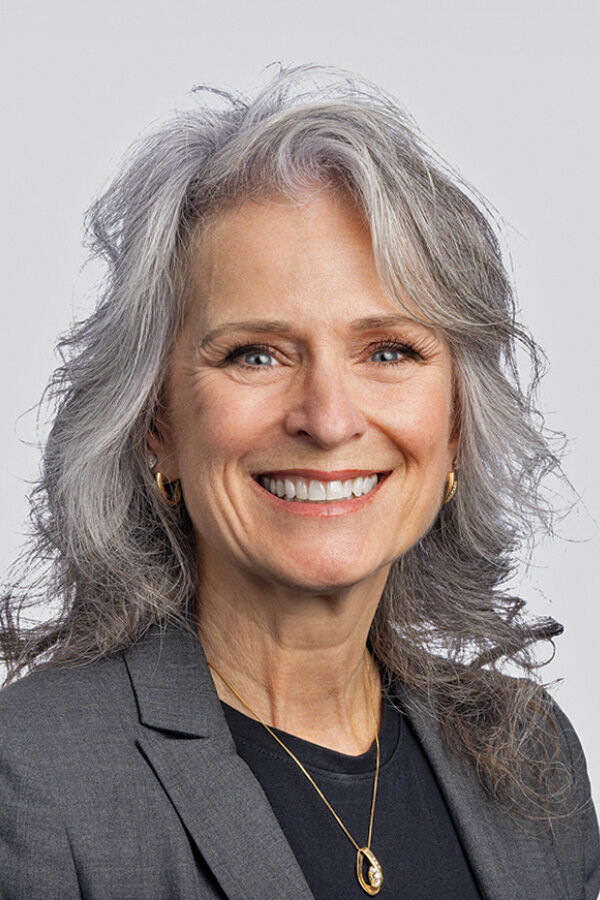
In 2022 the company hired a DEI director, and when the position became vacant the company evolved the role into an inclusion and belonging manager, filled in August 2024 by Lissette Cruz-Jimenez.
“We wanted to make sure we were right-sizing the role and right-sizing expectations for the role,” Lifke says. Regardless of title, Boldt is continuing to stay true to its focus on inclusion and belonging, which started years ago.
“On the recruiting side, it means making sure we’re casting a wide net and have a lot of opportunities — but then we’re selecting people based on merit,” she says.
Recruiting people from a variety of sources allows Boldt to find people with a diversity of perspective and background, Lifke says.
“If we’ve got people that have a different way of approaching a problem then we’re going to be able to come up with creative new ways to solve those problems. And to me, that’s where diversity is at its core,” she says.
The company also launched employee resource groups about two years ago, including ERGs for BIPOC (black/indigenous/people of color) and women, as well as those focused on young and emerging professionals and LGBTQ pride.
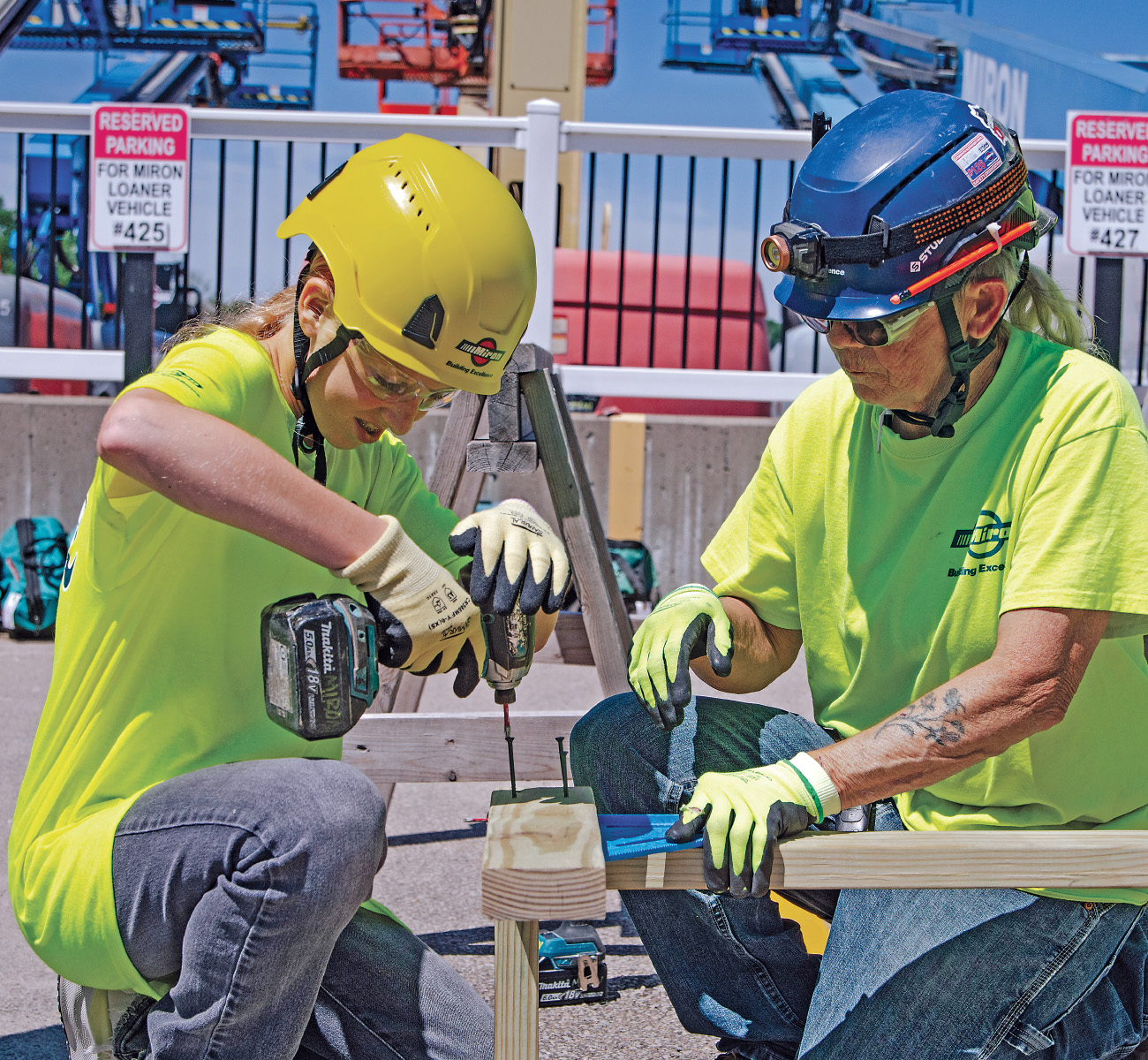
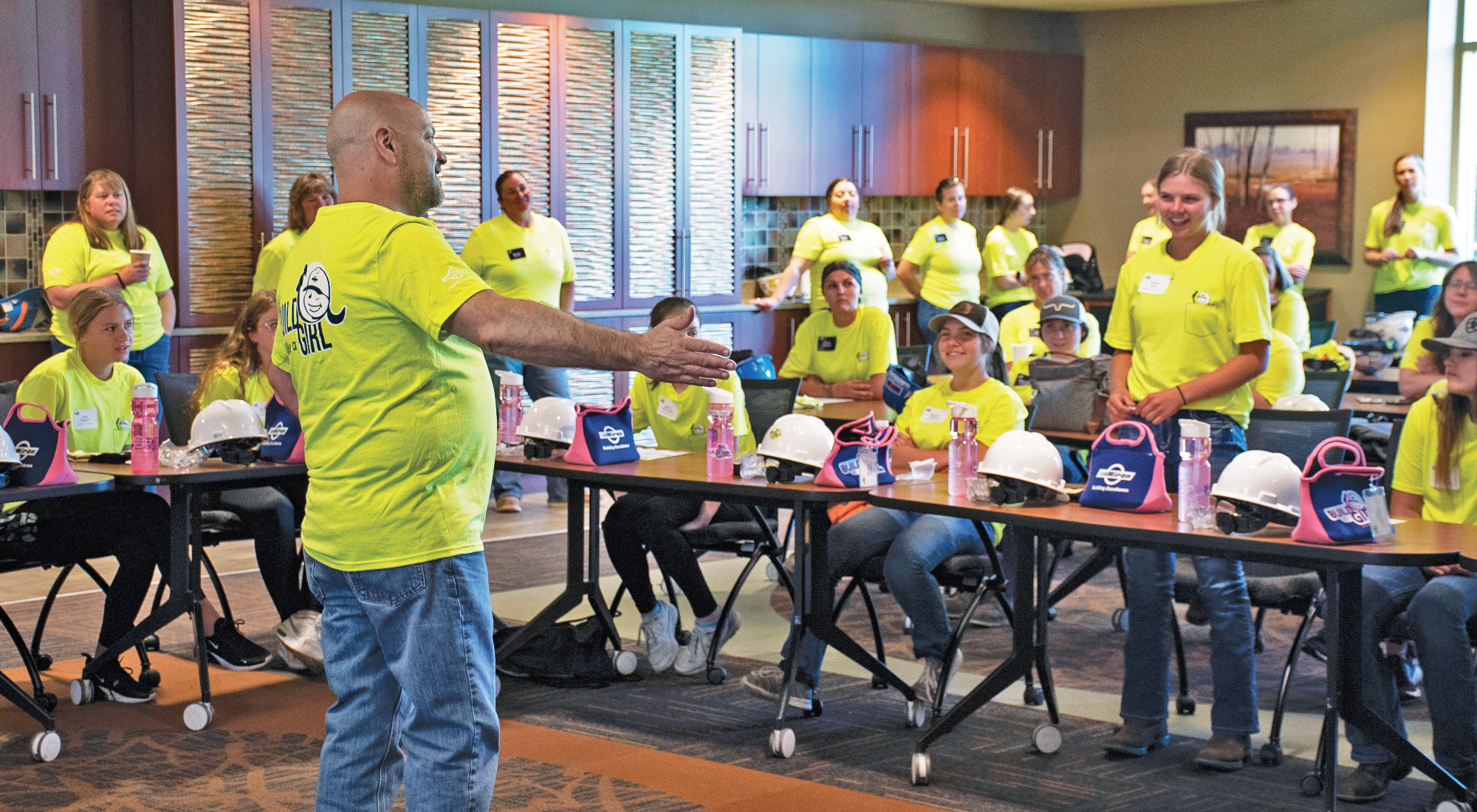
Likewise, Miron Construction’s focus on DEI-related programming includes several employee networks. Miron’s DEI-related efforts are led by its advisory IDEA (Inclusion, Diversity, Equity and Allyship) Council and include Build Like a Girl, in which women at Miron lead construction projects with female middle-school and high-school students. It also offers allyship training led by Communications and Culture Manager Sara Montonati, who is certified in Diversity, Equity, and Inclusion in the Workplace through UW-Madison.
“I think allyship is an underutilized part of the DEI efforts, and certainly in construction it was, but you also just need some guidance — you don’t know what you don’t know,” says Dave Walsh, executive vice president, human resources for Miron. “We’ve taught scores of our employees how to be good allies.” That can include how to be welcoming, how to step in when needed, and how to ask the right questions, he adds.

One of the newest Miron programs is Be More Than a Bystander, an initiative of the carpenters union, which teaches people to be proactive if they see inappropriate things on a project site.
“We give [workers] great cranes; we give them all kinds of tools, mixers and sanders and all that, but now we’re giving them tools to be good bystanders,” Walsh says. “Which in my world is also a good ally, which in my world is being an inclusive workplace, which in my world is really what we’re looking for.”
Going forward
None of the company leaders interviewed said they anticipate making changes to their DEI-related programs based on what’s happening at the federal level.
“I don’t anticipate us making changes, at least not unless they’re legally mandated, which would be disappointing,” Walsh says. “And I’ll be honest, we didn’t start this journey because of government or because of requirements. We started this journey because it was the right thing to do, and it’s important.”
It’s also a way to secure a greater talent pool and therefore the success of the company as Wisconsin continues to diversify, Walsh says.
But it’s also simply important to the company to be known as a good place to work: “Especially with race, gender,” Walsh says, “we want to be that place that anyone can walk in and feel like they have the opportunity to succeed and thrive.”