

Digital transformation is reshaping supply chain operations, pushing companies to improve efficiency, agility and customer satisfaction. Three main digital trends led to this change: digital supply chains, big data and analytics, and artificial intelligence (AI) and machine learning (ML). These technologies promise substantial improvements in processes, decision-making, and responsiveness, yet each comes with unique challenges that businesses must address.
Digital supply chains: creating connected and agile networks
Digital supply chains are replacing traditional manual processes with interconnected digital ecosystems. Technologies like the Internet of Things (IoT), blockchain, cloud computing and AI integrate data from various sources to create responsive and efficient networks. This shift enables companies to monitor supply chain activities in real-time, optimize workflows and respond swiftly to disruptions. However, digital supply chains come with challenges like data integration from multiple sources, heightened cybersecurity risks due to digital connections and high costs to establish and maintain the necessary technological infrastructure.
Big data and analytics: transforming data into actionable insights
Big data and analytics provide the means to identify inefficiencies, anticipate customer needs and optimize routes and inventory. By harnessing large datasets, companies can make more informed, data-driven decisions, boosting their resilience and competitive edge. The benefits include cost reductions through process efficiency, improved demand forecasting for better inventory management and a stronger ability to detect and mitigate potential disruptions. On the downside, organizations face issues such as inconsistent data quality, the need for significant processing power to handle vast datasets and the ongoing responsibility of safeguarding data privacy and regulatory compliance.
Artificial intelligence and machine learning: automating and optimizing supply chain functions
AI and ML are automating supply chain functions and enhancing productivity through intelligent sourcing, logistical planning and quality control. These technologies allow companies to optimize decision-making and automate routine tasks, reducing costs and minimizing human error. AI and ML also play a key role in real-time inventory optimization, allowing companies to adjust stock levels based on demand. However, these benefits depend heavily on access to large volumes of accurate data, a robust computing infrastructure and careful consideration of ethical and regulatory standards.
The growing talent gap: a critical challenge in digital transformation
Despite the opportunities, a growing challenge has emerged — the talent gap. As companies rush to implement digital supply chain technology, they struggle to find skilled professionals who can effectively leverage these advanced technologies. Expertise in data science, machine learning, cybersecurity and supply chain analytics is in high demand, yet organizations face difficulty recruiting and retaining individuals with these skills.
Marquette University’s nationally ranked Master of Science in Supply Chain Management (MS-SCM) program bridges this gap and offers curriculum pathways for supply chain professionals and career changers. The MS-SCM offers an online curriculum supplemented by three on-campus workshops.
Ranked No. 7 nationally by Gartner, Inc., Marquette’s MS prepares students to lead in an era of digital transformation. The program emphasizes leveraging artificial intelligence to enhance decision-making, optimize operations and create a competitive advantage. With an industry-driven curriculum, students gain the competencies to lead the transition from physical to digital supply chains and build resilient, sustainable supply chains capable of navigating global disruptions.
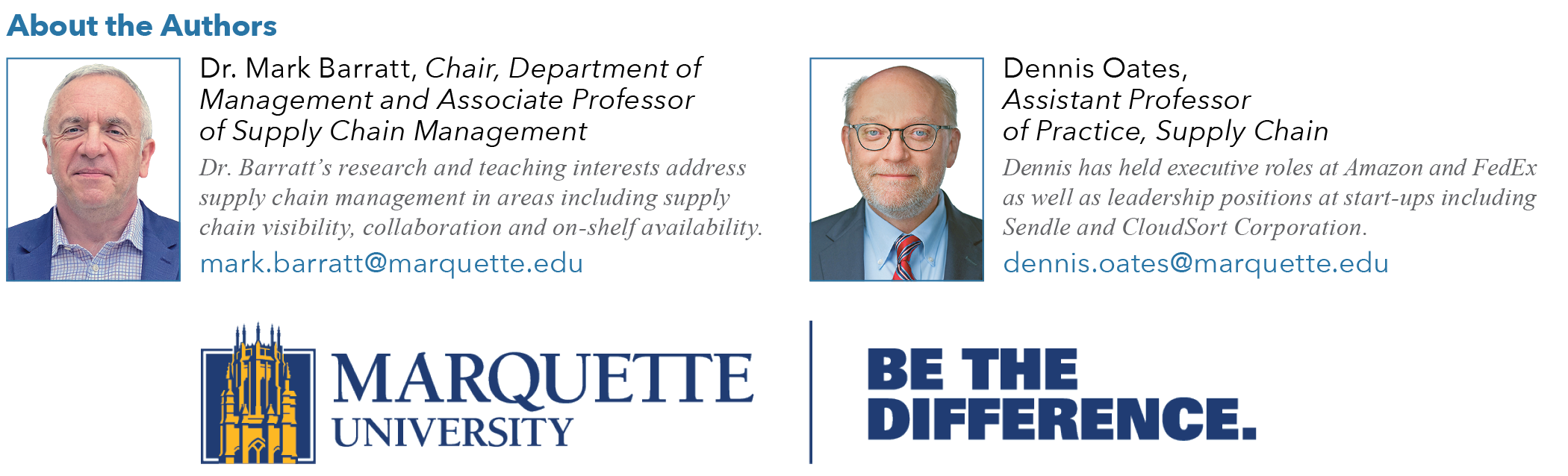
The views and opinions expressed in this article are those of the author and do not necessarily reflect the official policy or position of Insight Publications, a division of Woodward Communications, Inc.

