
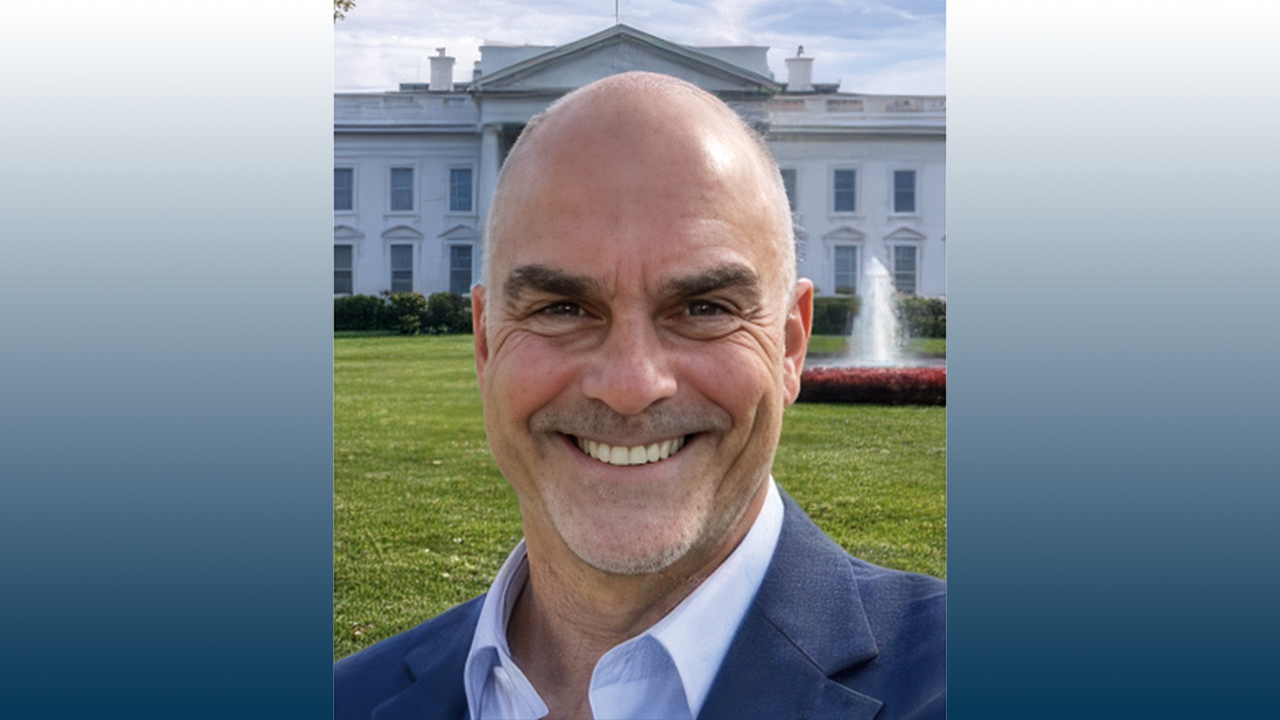
Every market in Wisconsin needs more workforce housing, according to Noel Halverson, president and CEO of NeighborWorks Green Bay.
But Door County has challenges related to its geography, the availability of land and the multiple small municipalities that oversee decision making. It’s created a market where year‑round workers can find themselves commuting from outside of the county because they can’t find an affordable place to live, according to Halverson.
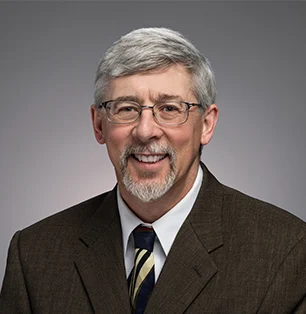
That’s not unusual, according to Jim Cleveland of the Wisconsin Economic Development Corporation’s Office of Rural Prosperity, who says employers find themselves hiring people who will commute to a job until they find one closer to home.
“It’s hard to retain talent. It’s hard for these communities to retain the young, skilled workers that their businesses need and their schools need without housing,” Cleveland says.
It’s one reason why Halverson thinks the newly created Emerging Rural Developer Fellowship will be a good fit for efforts in Door County. The one‑year program will place fellows in rural communities to work on housing development projects, gain hands‑on experience, and help local partners with new housing opportunities. As of press time, interviews were taking place.
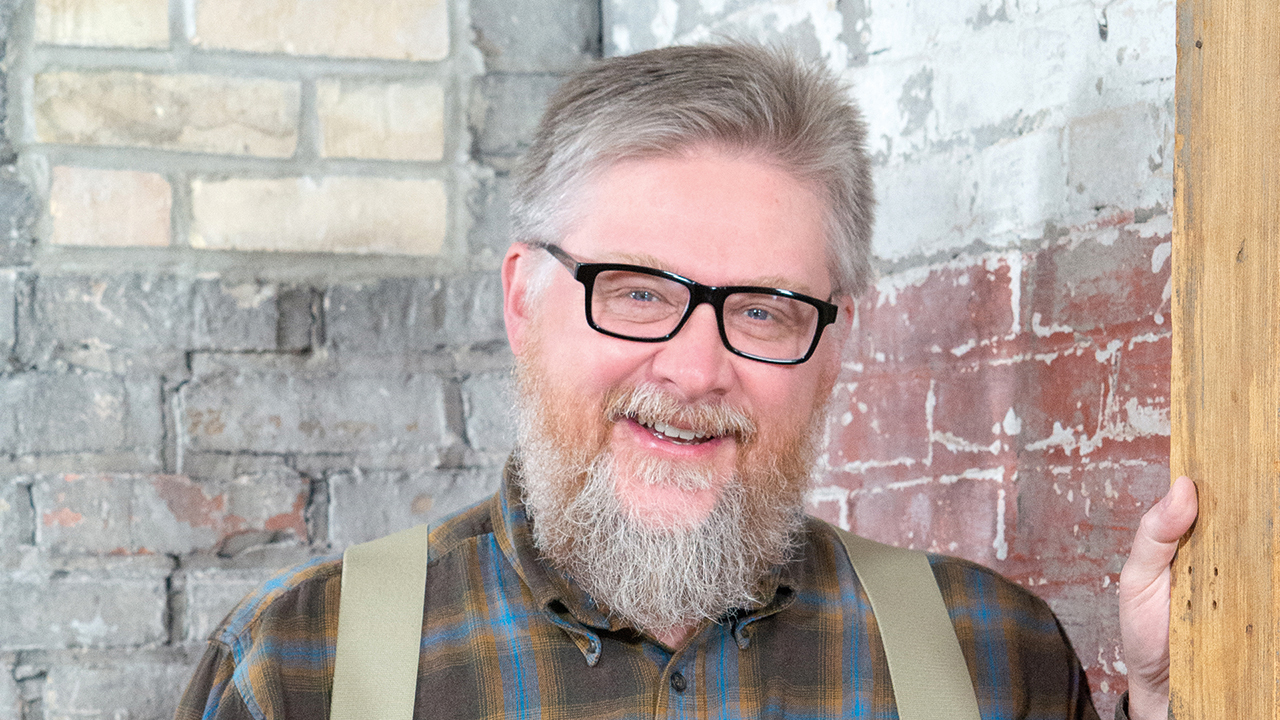
“We’re looking to build the infrastructure around the housing development environment in Door County so that the tools the community already has in their toolbox might be showcased,” he says.
The Emerging Rural Developer Fellowship is funded through the Federal Home Loan Bank of Chicago and led by the Office of Rural Prosperity.
The Bank of Luxemburg sponsored the grant after a recommendation from board member Peter Thillman.
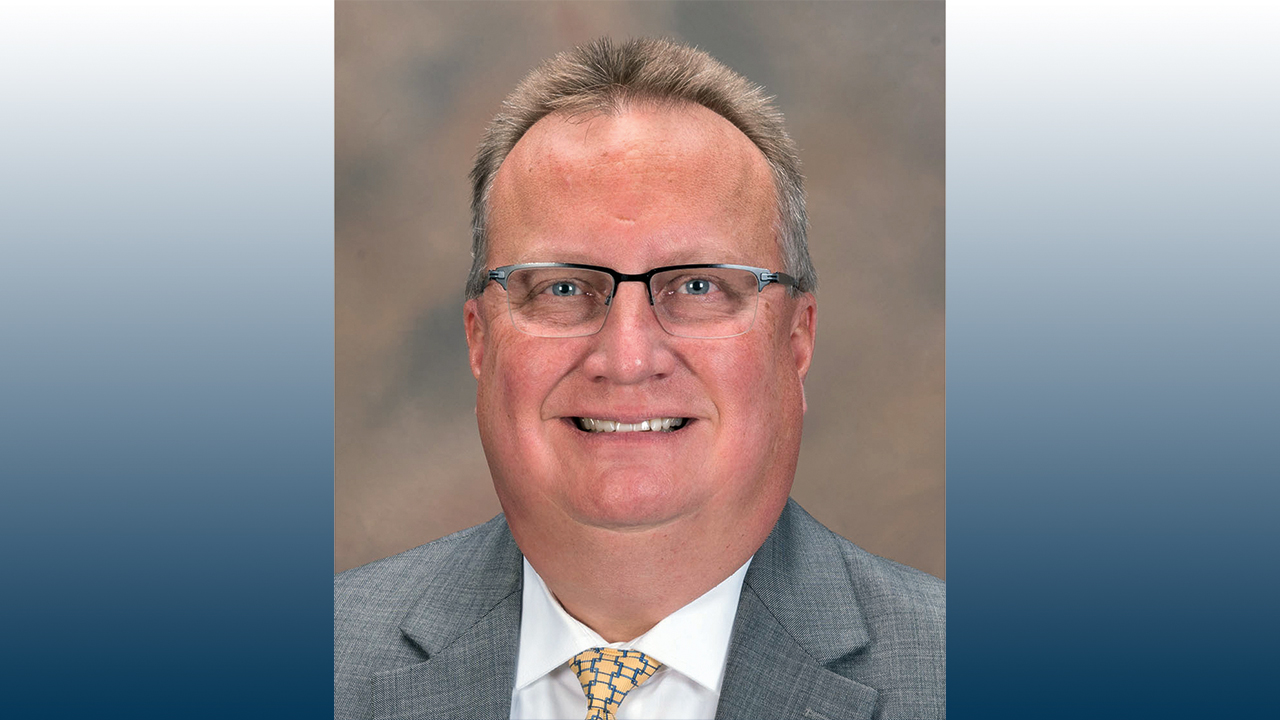
“It’s a creative way to address the challenge,” says Bank of Luxemburg CEO and President Darren Voigt. “Affordable housing is a key to driving economic development in rural and tourist‑centric communities that Bank of Luxemburg serves.”
Voigt says the bank has been involved in a housing consortium in Kewaunee County, Thillman is executive director for economic development in Shawano County and a past president works with the Door County Housing Coalition.
Those types of connections are what foster success, according to Cleveland.
“Those of us in the economic development profession, we’ve been out in the field — that’s really what drives a lot of what we do. We’re making connections and we’re convening resources and people to move the needle in terms of advancing rural housing,” Cleveland says.
The first group of fellows will be hosted by three organizations working to advance housing development in their regions: Bayfield County, NeighborWorks Green Bay (focused on Door County), and Platteville‑based Prosperity Southwest.
In the case of Door County, Halverson anticipates the fellow will help update and improve web resources with the information developers need to grow workforce housing. But he says the applicants have a wide variety of skillsets, and he anticipates there will be opportunities to tailor the work to the skillset and possibly expand the anticipated role.
John Miller, secretary and CEO of the Wisconsin Economic Development Corporation, said in a press release: “Smaller communities may not have the resources or staff capacity to support housing development, while developers may struggle to make smaller projects financially viable.”
That’s how Halverson sees it, saying NeighborWorks’ staff and partners could tackle some of the projects with which the new fellow will be tasked, but it would take longer and stretch their capacity.
“In a lot of ways this effort is a continuation of a conversation that many partners have been having around housing in Door County for some time,” Halverson says.
NeighborWorks has spent decades building partnerships that include the Workforce Housing Lending Corporation, which is a collaboration with the Door County Community Foundation. It provides below market rate interest loans for developers of multifamily housing for the workforce.
Cleveland says many rural communities have talented people in place like the coalitions working on housing in Door County, but the Office of Rural Prosperity hopes to fuel their efforts with programs like the Emerging Rural Developer Fellowship.
“If we can just help bring some resources and connectivity, that’s really the key,” Cleveland says. “We feel we have the ability to get these fellows connected to folks across the state in different communities, and certainly folks working in rural development.”
The fellows will meet biweekly and have some additional in‑person gatherings for training and workshops.
“In a sense what we want to do is home grow our own developers in rural communities, show them that there is really a good opportunity for them,” Cleveland says.
Oftentimes, Cleveland says, developers look at larger communities because projects are bigger, and they miss the opportunities that exist outside of areas such as Madison, Milwaukee and Green Bay or the Fox Cities.
Cleveland says lessons can be applied across communities, citing plans to use modular housing for infill projects in southwest Wisconsin and addressing senior housing in Bayfield.
“That is going to be a big piece of this: How can we all learn from each other; how can these communities learn from each other,” Cleveland says.
The program is a pilot effort, according to Cleveland: “We would like to see this continue on well past the first year.”

