


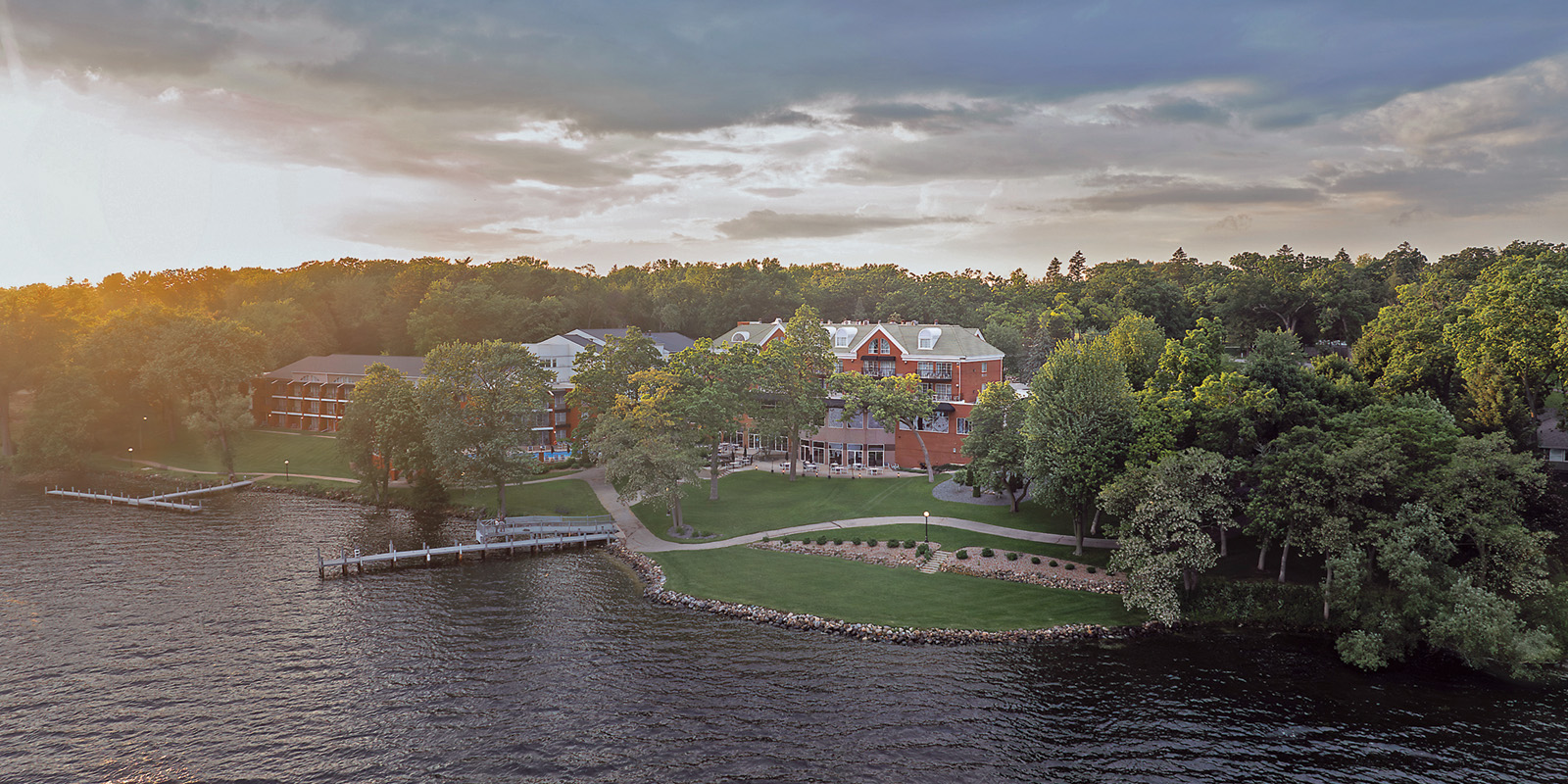

The community of Green Lake — population 1,001 — set the stage for last week’s Connecting Entrepreneurial Communities (CEC) Conference, part of UW-Extension’s Community Economic Development program.

Nearly 200 economic developers, municipal leaders and business owners from 50 unique entities attended the conference “about small towns, for small towns,” held May 13-15. The conference was organized by the Rural Wisconsin Entrepreneurship Initiative.
The event included hands-on workshops and tours, programming on rural entrepreneurship, keynotes from area business owners, and one-on-one coaching for small businesses — all with the goal of building durable entrepreneurial ecosystems in rural Wisconsin.
The location rotates; Green Lake hosted this third annual conference, while previous conferences were held in Platteville and Wisconsin Rapids.
John Miller, CEO of the Wisconsin Economic Development Corporation, provided opening remarks at the historic Thrasher Opera House, making a personal case for rural entrepreneurship. A native of Manitowoc, Miller worked as a congressional staffer in Washington, D.C., earned a master’s in public policy from Georgetown and practiced law before returning home to run his family’s century-old farm equipment manufacturing business in St. Nazianz.
That path, he said, has shaped his approach to rural economic development. Miller outlined a slate of programs and grants targeting rural communities that face unique challenges.
The Thrive Rural Wisconsin program, through the Office of Rural Prosperity, partners with local economic development organizations on housing, small business support and leadership development. The program provides technical assistance grants to communities building their economic development capacity — a second cohort of 10 communities and organizations was recently announced. A new round of small business development grants distributed $1.5 million across 10 organizations and, in combination with a technical assistance grant, will support more than 2,000 individuals and businesses statewide.
Miller also highlighted Ignite Wisconsin, a newly launched initiative designed to back startups in high-growth sectors such as energy and emerging technology.
“We want to give everybody the opportunity to thrive, no matter where they come from,” he said.
Conference sessions, organized into tracks for entrepreneurs, economic developers and special topics, tackled the full spectrum of rural entrepreneurship, from ecosystem-building and the creative economy to farm succession and grant strategy.
Speakers included Craig Culver, founder of Culver’s; Kurt Bauer, CEO of Wisconsin Manufacturers & Commerce; Anne Katz, executive director of Create Wisconsin; representatives from New North, Inc. and Progress Lakeshore; Green Lake business owners; and many others.
Jason Pausma, economic development director for Calumet County, said the CEC Conference has become one of his favorites for making connections.
“I get calls from entrepreneurs throughout the year, [but] we don’t necessarily have the capacity in-house to run a 12-week class, so there are resources we connect with a lot, like the SBDC and SCORE,” he said.
Despite funding being “a tough nut to crack,” Pausma hopes to create a revolving loan fund to support entrepreneurs, similar to models discussed by several communities at the conference.
“The numbers show most of your jobs come from small businesses,” he said. “We have a lot of legacy manufacturing companies in Calumet County, which are awesome, but I’d love to see more entrepreneurs in our rural communities.”
Sarah Willett, a Green Lake native and founder of Patina Vie in nearby Ripon, delivered a keynote on the joys and challenges of operating an international lifestyle brand from rural Wisconsin.
“I couldn’t have pulled this off 50 years ago from Green Lake,” she said, crediting the technology that enables the 14-year-old business.
Today, Patina Vie’s glassware, textiles and décor are carried by Anthropologie, Neiman Marcus and One Kings Lane, and Willett has design collaborations with Disney, Target and HomeGoods.
Her advice to prospective entrepreneurs was simple: you start by starting.
“I think that’s the hardest part for many of us entrepreneurs. There’s no magic moment. There’s no golden ticket,” she said. “You just have to start.”
More information on UW-Extension Economic Development can be found here.