


A leader reaching “retirement age” doesn’t have to signal a final chapter. Increasingly, it marks the beginning of a new one, a phase defined less by title and more by purpose and connection.
Universities and leadership institutes nationwide are leaning into that shift, creating structured ways for seasoned executives to remain engaged while passing along hard‑earned insight. At the University of Wisconsin‑Green Bay (UWGB), Executive in Residence (EIR) appointments held by Barb LaMue and Mark Murphy illustrate what’s possible when executive experience is intentionally embedded into learning environments and extended into the broader business community.
At the core of these roles is a changing reality: People are living longer, careers are extending and the most meaningful work for many leaders may come in what some researchers describe as a “third chapter.”
Kate Burns, provost and vice chancellor for academic affairs at UWGB, sees EIR as an opportunity to embrace that phase as part of lifelong learning for both the leaders themselves and those they mentor.
“Historically, people [pursued] education, then the workforce, then retired, end of story,” Burns says. “But we’re living longer and people are looking to find meaning in their third chapter. [EIRs] are a great opportunity to continue to make a difference, but in a different sphere.”
Defining what’s next
Residencies are shaped by each executive’s background and the institution’s needs.
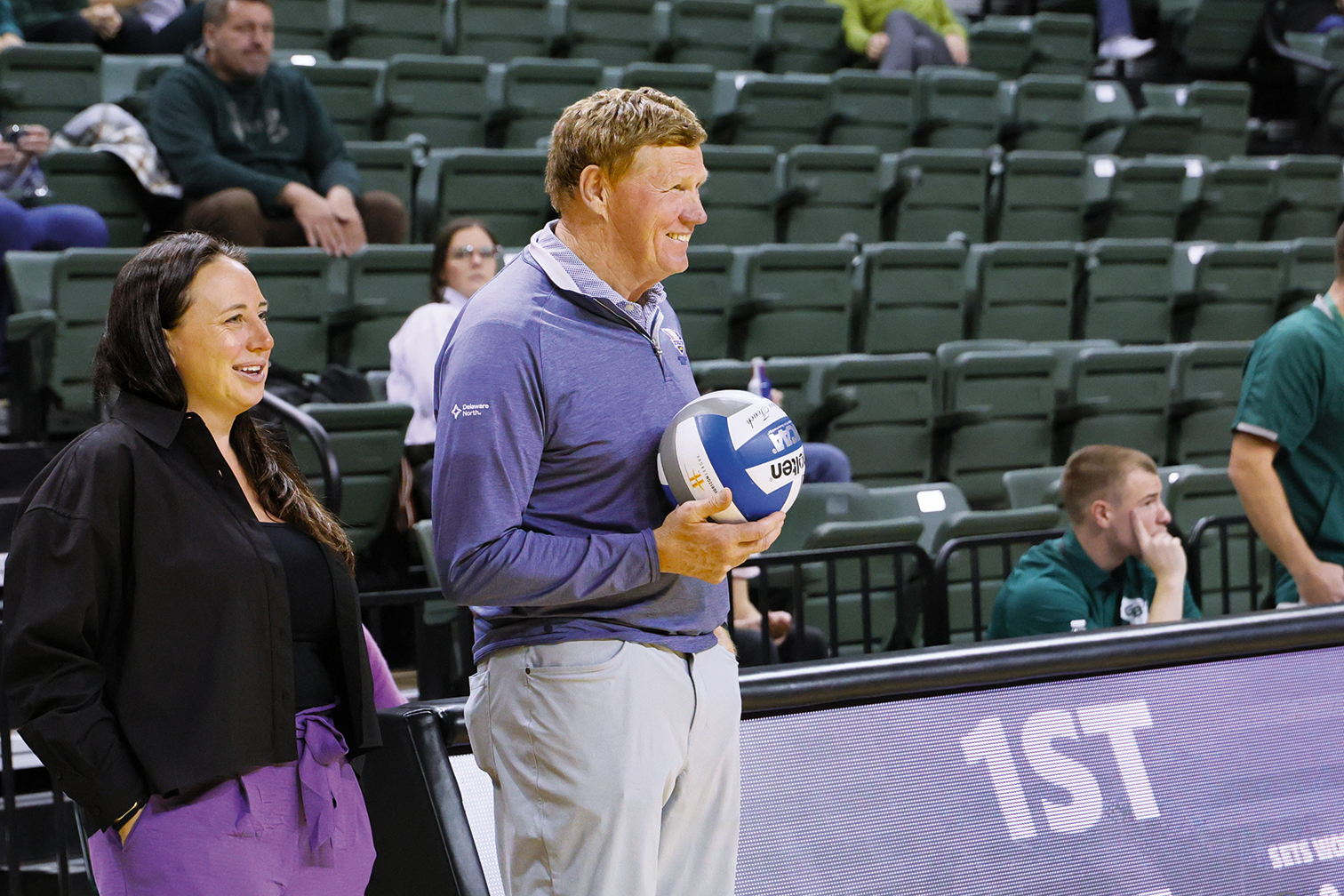
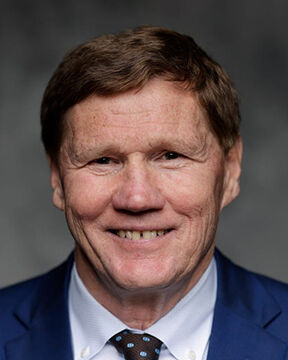
Murphy’s appointment reflects both his long‑standing relationship with UWGB and his experience as an athletic director and executive with the Green Bay Packers. His expertise now supports UWGB in coaching mentorship, fundraising, brand awareness and strategic projects at a time of significant change in collegiate athletics.
“I loved my time on two college campuses — Colgate and Northwestern — and so in a lot of ways, I’m going back to my roots,” Murphy says. “But college athletics is changing so much now, with NIL (name, image, likeness) and student‑athlete transfer rules, so it’s a fascinating time to be involved.”
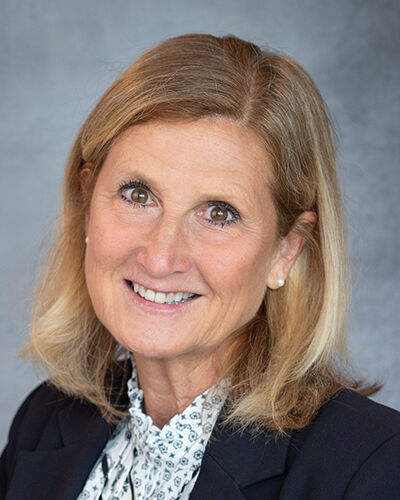
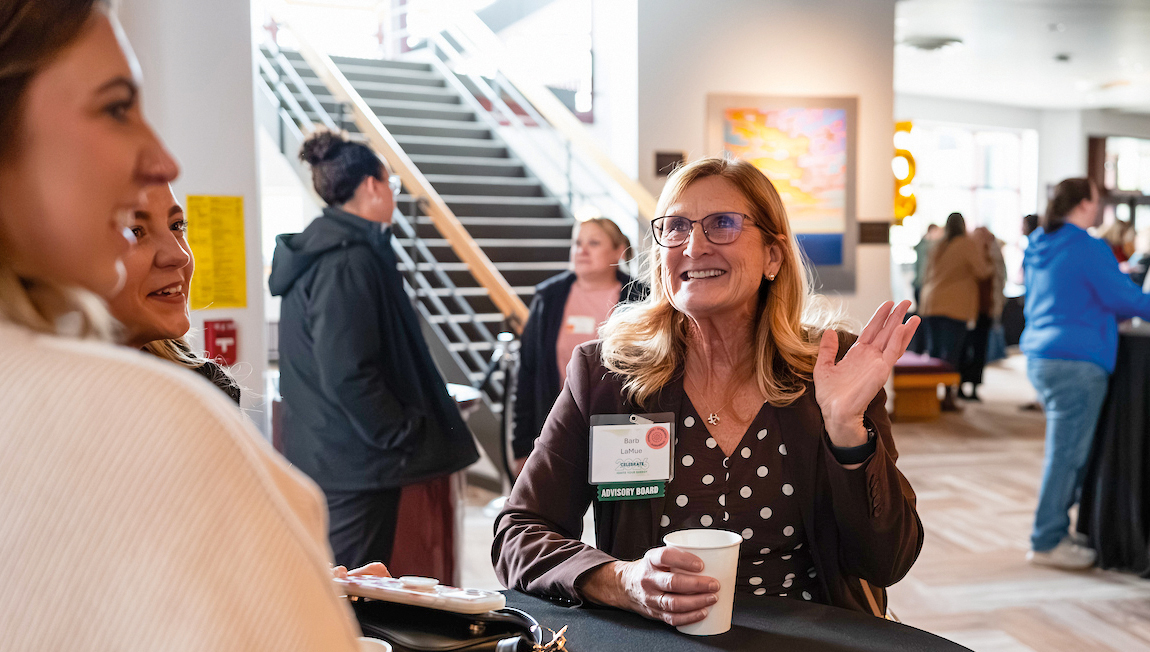
LaMue brings a different but equally powerful lens. With decades of experience in economic development and deep relationships across regional partners, chambers and the business community, she is well‑positioned for this next act. She previously served as president and CEO of New North, Inc. for seven years and held a leadership role with the Wisconsin Economic Development Corporation.
Her volunteer work — including service on the Schreiber Institute for Women’s Leadership advisory board and mentorship through the Green Bay Packers Mentor‑Protege Program — closely aligns with her new role, which focuses on expanding access to leadership development opportunities for women.
“I truly believe in the mission of institute, and I look forward to using my connections to help expand our outreach and grow our membership,” LaMue says.
Athletics, leadership and the university’s “front door”
Murphy was named UWGB’s inaugural Executive in Residence in August, with a role centered on Phoenix Athletics. He spends several days a week on campus, working from the Kress Events Center and engaging directly with the day‑to‑day operations of the athletics department.
His work primarily involves supporting coaches, though he also interacts with student‑athletes and contributes to broader strategic conversations.
“I recently went to Bob [Harlan’s] funeral, and I couldn’t help but think of what huge help he was to me as I transitioned into the Packers as president,” he says. “There is nobody who knows the issues you’re going to deal with better than the person who served in the role.”
Beyond mentorship, Murphy also sees athletics as a critical entry point for how the public engages with a university.
“Oftentimes, the athletic department is the front door to the university,” he says.
That visibility carries implications for brand awareness, enrollment and institutional perception, particularly when teams compete on national stages.
Expanding the women’s leadership pipeline
LaMue’s focus as Executive in Residence at the Schreiber Institute for Women’s Leadership is clear: Expand awareness, access and participation.
Her extensive network positions her to connect more women with the institute’s programming, which includes Caffeinated Conversations, emerging leaders initiatives, executive coaching and the annual Celebrate event. To date, more than 5,000 women have engaged with these offerings.
“A lot of people don’t realize the tremendous amount of programming already happening,” she says.
Her work centers on increasing visibility and ensuring that more women across Northeast Wisconsin understand and access those opportunities.
“It’s about looking at individuals who have experience [with the institute] and asking, where are they in their career? Has the program helped them through connections? Are they in leadership positions in the community?” she says.
For LaMue, success is measured not only in participation, but in long‑term outcomes, including advancement, mentorship and the development of a sustainable pipeline of female leaders.
“Our ultimate goal is to shape leadership development across Northeast Wisconsin,” she says.
What EIR programs give back
The impact of EIR programs is both immediate and long‑term. On a day‑to‑day level, it includes mentorship conversations, guest lectures, networking introductions and strategic advising. For students and learners of all kinds, the value lies in direct access to leaders who have navigated complex decisions and high‑level responsibilities.
“Students deeply value hearing exactly what has happened and lessons learned along the way,” Burns says. “An EIR elevates that message because they have recently been in the industry.”
For institutions, EIR programs strengthen connections with the business community while helping align education with workforce needs.
“Success looks like greater engagement for students and learners … and increased engagement with community as well,” Burns says. “It’s a good bridge between the university and the community.”
Navigating the next chapter
Both LaMue and Murphy offer practical insight for leaders considering what comes after a full‑time executive role.
LaMue encourages openness to opportunity.
“If you say no, someone else will say yes and you’ll miss out on providing [value] back to the community,” she says. “Think about whether you can make it work with your work/life balance because it may lead not only to leadership opportunities but also lifelong friendships.”
She emphasizes that meaningful contributions don’t require formal titles.
“Maybe you can’t take on an EIR but maybe can afford time to meet with an emerging leader and be her coach or meet with the individual for coffee,” she says.
Murphy highlights another dimension: perspective. Because an EIR is typically less concerned with forging a long‑term career path or rocking the proverbial boat, they can offer candid, unfiltered insight.
“Because the EIR is not a traditional employee, they can be more open and honest,” he says.
EIR programs offer a pathway for leaders who are ready to shift rather than stop, while giving institutions access to real‑world expertise that strengthens both learning and community connection.
“I think the way we have grown enrollment at UWGB is because we think of education differently; we think of the impact we can have across the lifespan,” Burns says. “EIR is a great way to think of that third chapter; one of the great gifts is mentoring and connecting with future leaders.”