

Addressing a growing skills gap in the workforce is a global issue that the Wisconsin Fast Forward Grant program can help address, according to Bobbi Miller of the Fox Valley Workforce Development Board.
Miller told a group attending the Wisconsin Economic Development Association fall conference in Oshkosh why and how they should seek funding through the program established in 2013.
The grants range from $5,000 to $400,000 and aim to reimburse businesses for customized training for incumbent or unemployed workers.
Miller said the Fox Valley Workforce Development Board recognized that not every business has the capacity to write their own grants, so they have been partnering with businesses and Fox Valley Technical College to write grants and create training programs that meet the needs of employers.
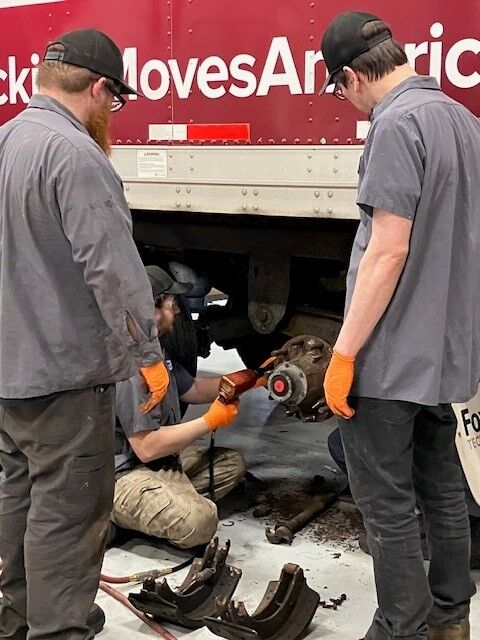
Master Fleet, which as part of its business repairs and maintains commercial vehicle trailers, was held up as a success story for the collaboration. The company has had ongoing challenges as its workforce ages and fewer trailer technicians enter the field, according to Pam Berkovitz, Master Fleet’s human resources director.
“We saw this as both a workforce crisis and an economic opportunity,” Berkovitz said. “We knew that we had to do something, and we did. We partnered with the technical colleges to build a trailer focused program, we partnered with high schools to bring students in earlier and we focused on funding the hands-on training through grants.”
Berkovitz said they knew they needed help filling the pipeline so they reached out to FVTC and the local Workforce Development Board.
Fox Valley Technical College offers customized contract training for businesses that approach them with needs, according to Rachel Johnson, and account manager for FVTC. Johnson said it allows businesses to build training that meets not just their needs, but the needs of employees with onsite or fast-tracked programs.
FVTC wants the training to be flexible and scalable. In the case of the trailer technician program, the training Master Fleet pioneered with the help of a Fast Forward Grant will be available going forward for other businesses. It means, however, that the curriculum is publicly owned so businesses should avoid proprietary processes or training.
Miller said the grants come with some other caveats that are important to note.
They require a business to provide up to a 50 percent match and require the training to be completed in one year (the grant cycle is two years, but that includes pre-training preparation and post training grant reporting). The match is often met in part with in-kind donations of equipment for training or paying wages of workers while they train.
The Fast Forward grants also require companies to commit to a wage increase for the upskilled workers.
She said it is important businesses are ready to apply for the grant and they can prepare by having data about industry employment trends and statistics, company growth metrics, skill and wage growth opportunities.
“Fast Forward grants have some unique qualities to them. They are fully baked when we submit them.” Miller said.
She said while some businesses have written grants for themselves, reaching out to
“We want more companies to be getting the benefits like Masterfleet.”