
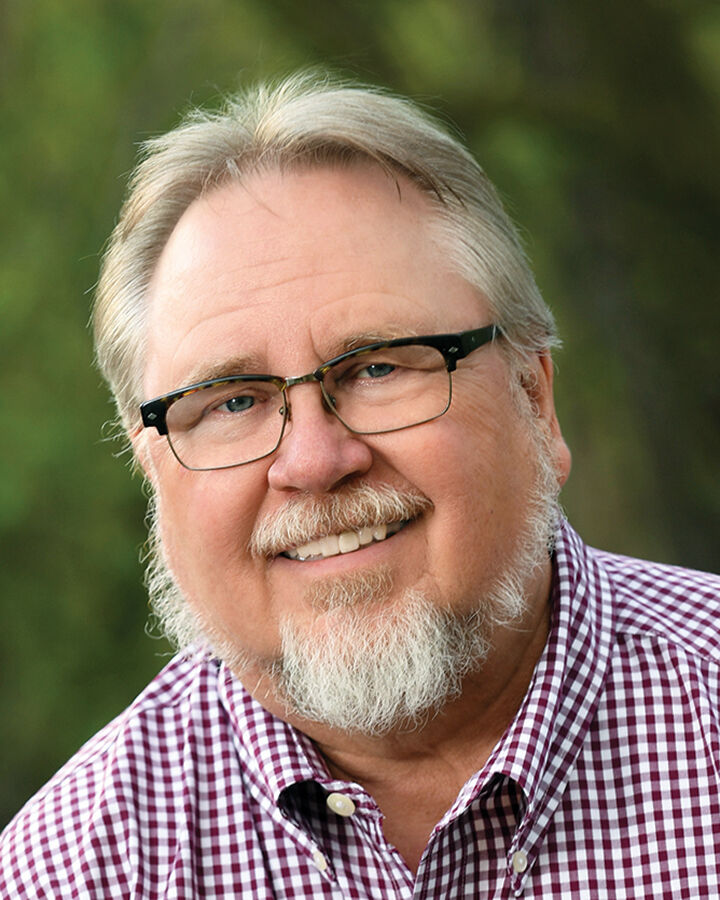

Get to know: David Wegge
Board member, Envision Greater Green Bay
When David Wegge talks about the future, he’s not referring to mystical predictions floating around inside a crystal ball. No, the past president and current board member of Envision Greater Green Bay is talking about identifying disruptors to anticipate and lead change.
“It is just so interesting and exciting to think about helping create a future,” says Wegge, who founded and ran St. Norbert College’s Strategic Research Institute for three decades. “To not let the future just happen, but ask how can I be part of creating the future of organizations or the future of the community as a whole?”
Wegge has been on ground zero of Envision Greater Green Bay since its inception in 1990. The organization trains businesses, local government, educational institutions and nonprofits to guide the community’s future. It also offers two strategic foresight workshops each year and has six futurists certified by the University of Houston, of which Wegge is one. Envision has led strategic foresight workshops for about 75 local organizations.
“One of our primary goals is to get future and foresight thinking embedded into organizations and into our communities,” Wegge says. “That is a pretty robust goal, but we strongly believe that if we do that, that is going to help secure the future of our communities for future generations.”
Rapidly developing technology, demographic changes such as increasing diversity and an aging population, and increasing in-migration to Northeast Wisconsin are all disruptors to which the community and businesses must adapt, Wegge says.
To help in this effort, Envision will host its fourth annual local World Futures Day Feb. 28 from 8 a.m. to noon at the Oneida Conference Center. With about 400 expected attendees, the event will feature a presentation by keynote speaker and futurist Jonathan Brill as well as presentations from Enivision’s Signals Teams with focuses on livable neighborhoods; upward mobility; health and well-being; leading edge economics; and arts, culture and entertainment.
“The best way to deal with the future is to create the future,” Wegge says. “There’s a tremendous amount of uncertainty, but if we recognize what that uncertainty might be, then I think we can also take steps and take action that helps us create the preferred future that we’d like to see.”
— Amelia Compton Wolff
Milk Depot debuts
Mothers’ Milk Bank of the Western Great Lakes (Milk Bank WGL) and the city of Appleton Department of Public Health have partnered to bring a new human milk drop-off depot to the Fox Valley. Previously, the nearest locations were Green Bay and Oshkosh. The joint effort increases access to nutrition for pediatric patients in need. Upon collection from approved donors through Milk Bank WGL, donations are transported to the milk bank’s processing facility, where it’s pasteurized to eliminate viruses and bacteria. The pasteurized milk is distributed to hospitals including Ascension NE Wisconsin: St. Elizabeth Campus, Aurora Baycare Medical Center, Fox Valley Hospital‑Children’s Wisconsin and more. Donor milk is primarily used in the NICU or postpartum unit. More information at milkbankwgl.org.
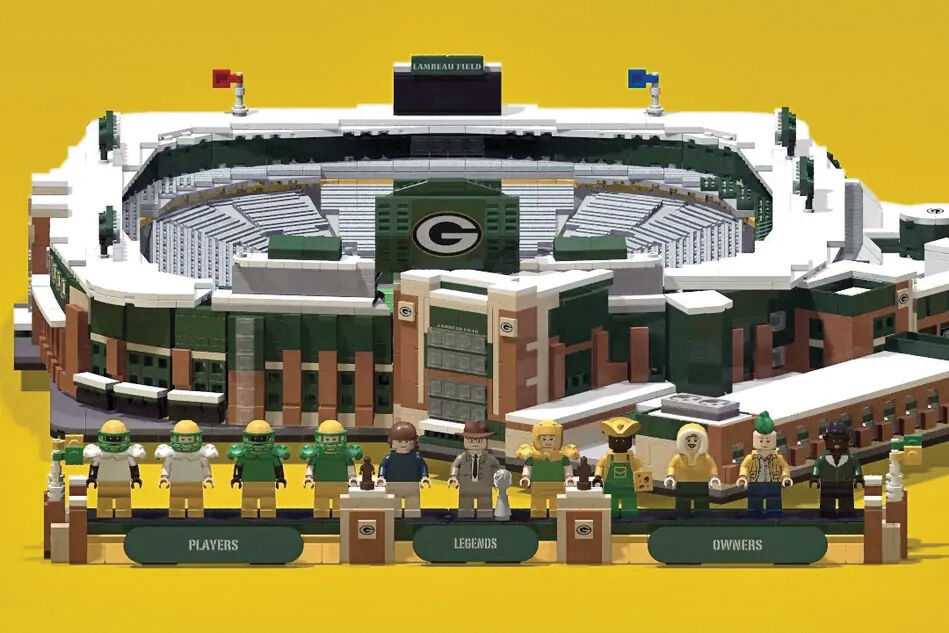
Lambeau in LEGOs
Green Bay Packers fans could soon be able to build their own Lambeau Field. A desktop-sized stadium kit is among those proposed for a new set on the LEGO Ideas website. Cody Brunelle of Colorado designed the LEGO Lambeau and submitted it to the company for consideration. As of press time, it has received more than 3,300 votes of support, but needs at least 10,000 before the company will review it for potential production. Votes can be cast at ideas.lego.com.
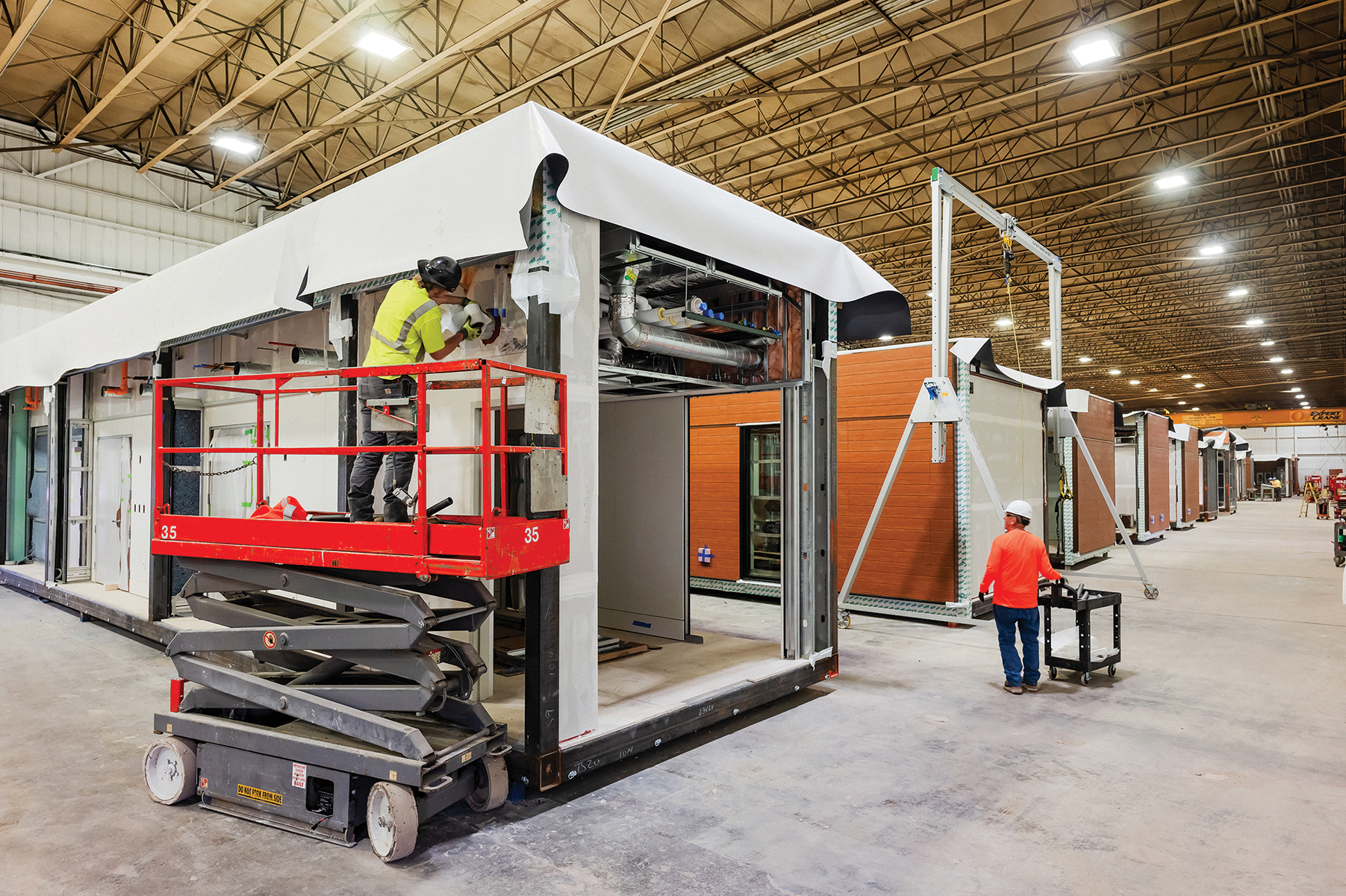
Bildt for the future
In January, The Boldt Group launched Bildt, a prefabrication manufacturer of modular buildings and slide-in room and bathroom pods for a variety of markets including health care, industrial, education and commercial. Bildt was created in response to interest from facility owners, general contractors and architects to reduce project costs and increase speed to market. “As a general contractor, we recognized the need for our line of innovative, customizable permanent modular and prefabricated products that can cut construction times in half, allowing building owners to occupy and generate revenue months sooner than anticipated,” said Ben Bruns, vice president of modular. “Working with Bildt brings speed, standardization with customization, quality and in some cases more than a 30% reduction in first cost over site-built construction.”

