

Wisconsin residents and businesses consume a lot of energy. With several data centers planned in the state, expanded manufacturing and higher consumer demand, that usage is poised to accelerate, meaning the state needs to find new sources of power or risk turning to expensive out-of-state providers.
Wisconsin is experiencing an ever-growing energy gap, which means there is not enough electricity generated in Wisconsin to meet the needs of state residents and businesses. The gap means the state’s utilities need to find new power resources or else businesses and residents will face higher utility bills and the possibility of rolling blackouts.
And the state’s energy needs are only increasing. When Microsoft’s planned data center goes online in Racine County, it will use 450 megawatts of electricity — enough to power 300,000 homes. That’s just for one data center. Several others are in the works across Wisconsin.
“There are several forces causing the energy gap. It’s not just the new data centers coming online — they get a lot of attention — but there’s electric vehicles, overall economic growth and all the devices we buy that need to be plugged in,” says Tom Still, president of the Wisconsin Technology Council.

If enough energy cannot be found, economic growth will stall, he says.
“We don’t want to deal with less energy for everyone. That leads to less productivity, and no one wants that,” Still says. “Manufacturers are paying close attention to this issue since energy is one of the main costs for businesses.”
Costs will also soar if the state needs to import more energy, says Keith Reopelle, a member of Wisconsin’s Green Fire Science Council who previously worked with the Wisconsin Office of Sustainability and Clean Energy and Clean Water Wisconsin.
“If we can’t meet the need here, we’ll need to turn to outside sources and that will lead to higher costs all around,” he says.
To address the energy gap, Still says the state needs to find more energy sources, including tapping into new technologies.
“Coal is in decline in usage, but it is still there. Natural gas, wind farms and solar are all in growth mode but there are a lot of new technologies coming that will help fill the gap,” he says. “These new technologies won’t happen overnight so natural gas will need to be a bridge, but the energy gap can be addressed across a range of options.”
Turning to new technologies
Among the new technologies playing a pivotal role in helping the state meet its energy needs, battery technology is one of the most promising. In battery storage, a facility houses large-scale batteries designed to store electrical energy, often from renewable sources, such as solar or wind power. It can take four to five hours to charge the batteries. The energy is later discharged.
“Battery storage technology is getting better all the time,” Still says.
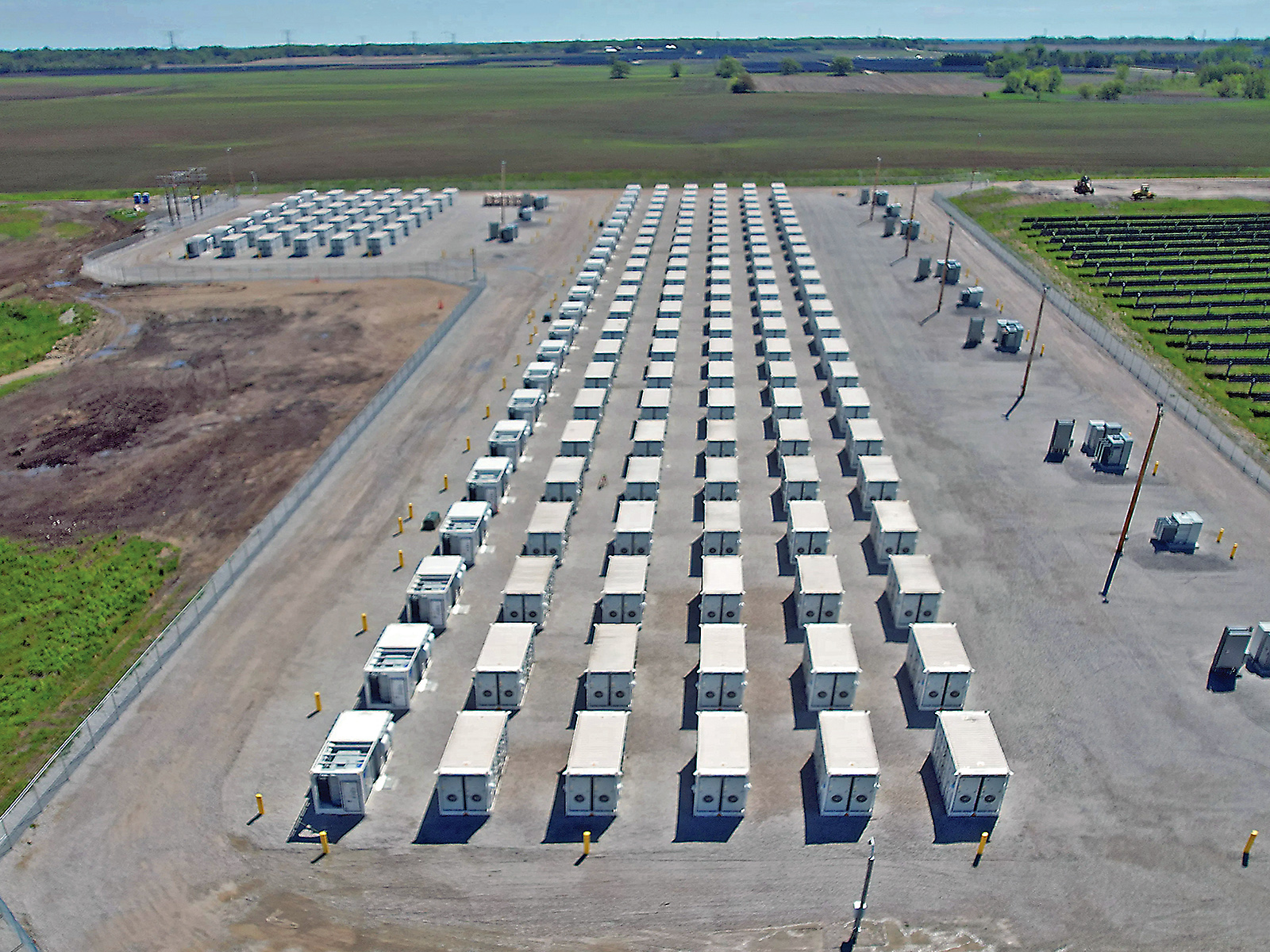
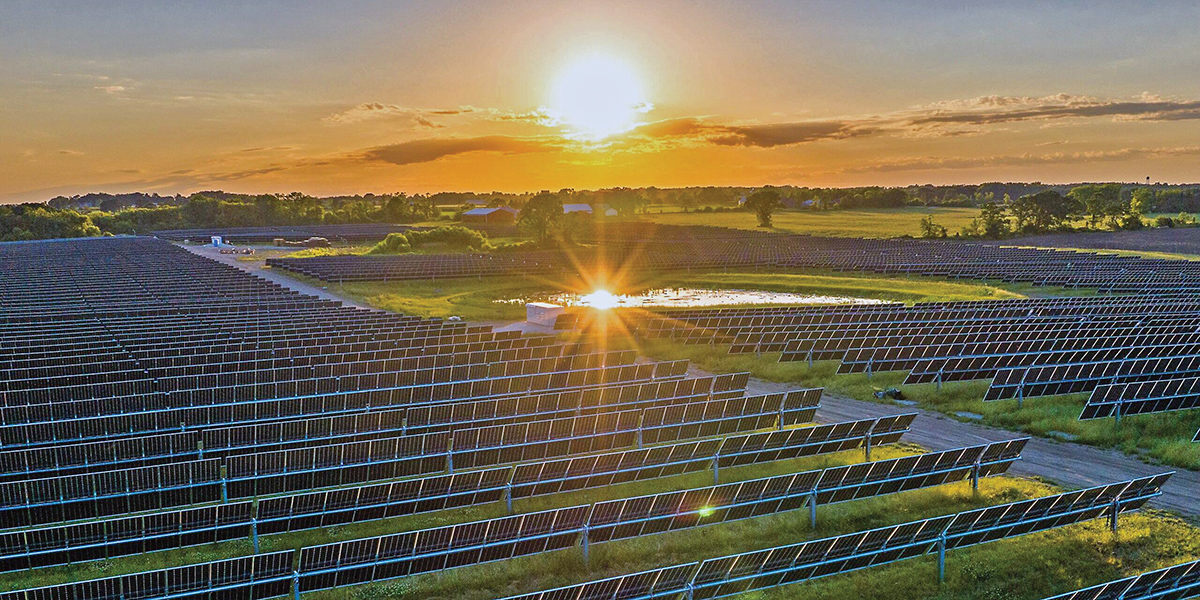
The Paris Solar-Battery Park, Wisconsin’s first large-scale battery energy project in Kenosha County, went online earlier this year. The project has around 12,000 lithium-ion batteries collectively capable of powering more than 130,000 homes for up to four hours, according to We Energies. On sunny days, when the solar panels are active, the batteries store excess power and release it at night or early in the morning.
The batteries cost $233 million and hold their charges for weeks. The batteries are stored in 150 containers and have a life expectancy of around 20 years.
Although it’s at least five years away, small modular reactors (SMRs) are another potential new source of electricity. A small modular reactor is about one-third the size of a traditional nuclear reactor and is considered safer and costs less.
The shuttered Kewaunee Power Station on the shores of Lake Michigan is being targeted as a possible home to a SMR. The nuclear plant, which opened in 1974 and closed in 2013, is owned by EnergySolutions of Utah. In May, the company announced it was working with WEC Energy Group, the parent company of We Energies and Wisconsin Public Service, to seek approval from the federal government to produce energy at the site using the new technology. If approved, the SMR would not come online until the early 2030s.
In the La Crosse area, Dairyland Power Cooperative is also exploring the possible use of SMRs.

“Dairyland continues to evaluate all energy resources as part of our long-term resource planning process,” says Jason Herbert, Dairyland’s vice president for external affairs. “We are monitoring the SMR industry’s progress and evaluating the different SMR technologies that may be commercially demonstrated in the early 2030s. Dairyland is also evaluating potential sites where a SMR could be located.”
Herbert says Dairyland is closely watching the development of SMR plants supported by the Department of Energy’s Advanced Reactor Demonstration Program. He says SMRs pose great promise to help close the state’s energy gap.
“SMRs have the ability to provide both baseload power as well as dispatchable energy to meet growing energy demand, as well as the ability to integrate with renewables to provide increased grid reliability,” Herbert says, adding the plants will also need to show they can be built on time, on budget and be cost-competitive with other energy resources.
Lawmakers are also paying attention to new energy models. The Legislature approved a bipartisan joint resolution affirming its commitment to expanding nuclear power. The resolution calls nuclear and fusion energy “clean energy sources that are critical to safely meeting Wisconsin’s growing energy demands,” and says the state is committed to growing out that industry. UW-Madison is researching and developing fusion energy models.
In July, Gov. Tony Evers signed two bipartisan bills to boost nuclear power in Wisconsin. One bill signed allocates $2 million for a study to identify the best site in Wisconsin for a nuclear fusion power plant. The other establishes a board to advance nuclear and fusion technology and hold a summit on the topic in 2028.
“These new energy sources can’t be built overnight so natural gas will need to be a bridge supplier, especially as the state’s utilities move away from coal,” Still says.
Powered by nature
Reopelle says the state’s utilities have a vested interest in growing the state’s energy sources. Several, including We Energies, Wisconsin Public Service and Alliant Energy, have tapped into renewable sources, including wind and solar.
“We need the right mix of resources and a plan in place to meet the growing demand,” he says.
Wind and solar power are renewable and do not require the state to import coal or natural gas, Reopelle says. “We need to make bigger investments in solar and wind. That will keep more money here in Wisconsin vs. money going elsewhere to bring in natural gas,” he says.
Wisconsin has the right climate for effective solar plants, especially those with bifacial panels, Reopelle says. With bifacial panels, electricity is generated when the sun reflects off the ground in addition to direct sunlight.
“The sun hits the snow and bounces back up and the reflector is there to capture it,” he says.
A growing number of data centers in the state will pull power from the grid and Reopelle says there are real questions about where that electricity will come from. “Microsoft and others want to be run by clean energy. We have a huge wealth of clean energy opportunities in Wisconsin,” he says.
Still says the energy gap is a problem that will not go away.
“It’s a complicated picture that requires open minds as people decide what energy sources that they are willing to accept. Having stable supplies of energy will prevent economic decline,” he says.