


According to United Way Wisconsin’s 2025 State of ALICE report, 35% of Wisconsin households — more than 864,000 families — fall below what researchers call the ALICE Threshold (Asset Limited, Income Constrained, Employed). These are working households, earning above the federal poverty line, but not enough to cover basic living expenses where they live.
United Way Fox Cities Vice President of Community Impact Beth Clay says business leaders in Northeast Wisconsin are increasingly aware of financial hardship in their workforce, but the actual survival budget — which sits at about $77,000 annually for a family of four — is higher than many realize.
“The numbers are striking,” Clay says. “Families are making very hard choices with the limited funds that they have because the gap between what they make and what it costs to survive is bigger than they might have imagined.”
Of Wisconsin’s 20 most common occupations, 11 pay less than $20 an hour. Combined full‑time wages for two of the state’s most common jobs still leave a family of four $10,500 short of the survival budget. The resulting choices are impossible: medication or groceries, work or staying home because child care is unaffordable.
“A sick child could end up with a medical bill, and you miss work, and all of a sudden it has completely destabilized the family and there’s a loss of employment,” Clay says. “These gaps are untenable. And the ALICE number has been rising.”
The report data runs through 2023, but in Winnebago County, the share of households below the ALICE threshold has already climbed to 38%. Certain populations are rising faster than others. Households headed by someone under 25 or over 65, and single‑female‑headed households are among the fastest‑growing ALICE groups, Clay says.
United Way Fox Cities President and CEO Lisa Kogan‑Praska says the survival budget leaves no room for error.
“A survival budget isn’t a thriving budget. A survival budget means nothing goes wrong,” she says. “There is no room, no margin, for life to happen within those budgets.”
For employers, raising wages alone isn’t enough or even feasible. Kogan‑Praska points to workplace flexibility as one of the most accessible tools available — accommodating medical appointments, offering scheduling predictability and creating policies that acknowledge the daily logistical pressures ALICE workers face.
“Whether you’re ALICE or not, those work‑life friendly policies can make such a huge difference in retention,” she says. “For ALICE, it can be the difference between being able to stay on the job or not being able to stay on the job.”
– Amelia Compton Wolff, Insight
Being poor is expensive
by Sachin Shivaram, CEO, Wisconsin Aluminum Foundry
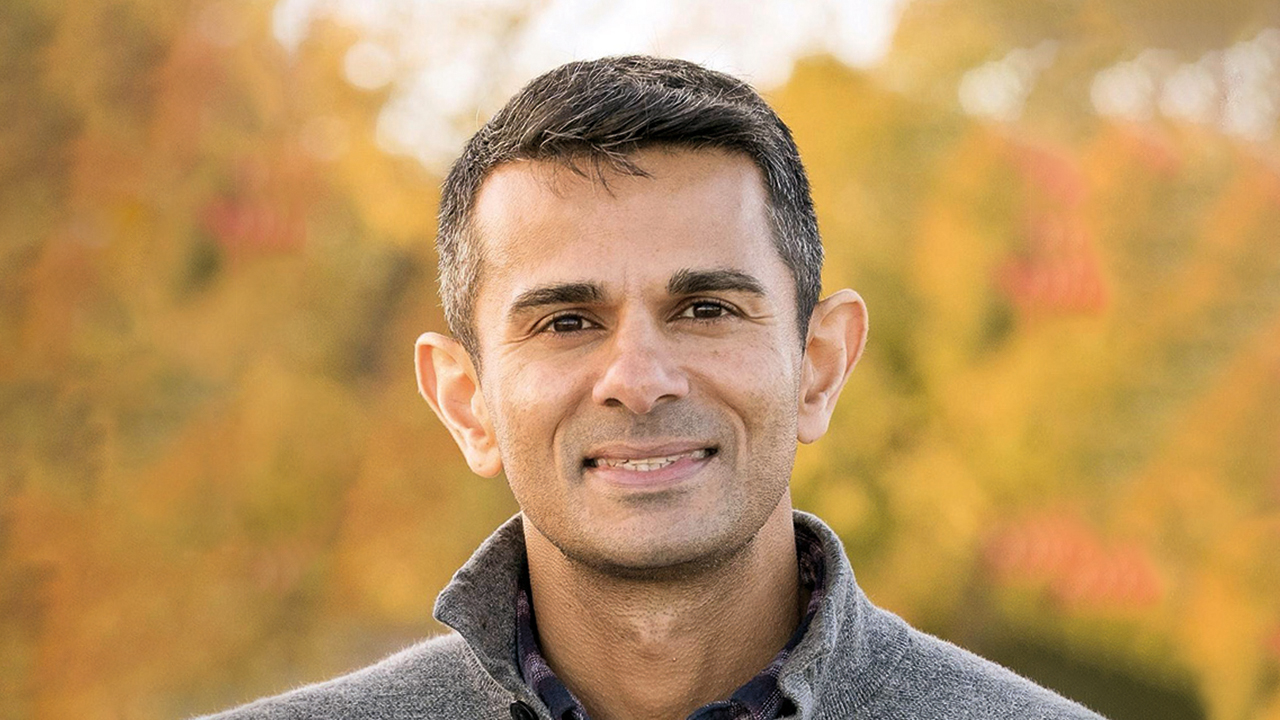
On a rainy Friday afternoon, I walked into the Manitowoc County Jail. I asked tentatively into the metal box at the door: “I’m here to see Randy Curtis?”
I was there to deliver a simple message. What I stumbled into was something much larger, a reality I had not fully understood before.
Randy had missed a few shifts without calling in. His supervisor looked for him where we sometimes do when an employee disappears without a word: the inmate list at the county jail. Sure enough, his name was there.
Randy is a knockout pourer at Wisconsin Aluminum Foundry, doing hard physical work for $27.53 an hour — good money, the kind that, if you’re careful and nothing goes wrong, can be the beginning of something. He had spent years rebuilding his life in Manitowoc after a troubled young adulthood in Milwaukee. He had a girlfriend. He was saving for a car. Then an old legal matter surfaced, along with a small claims debt.
But Randy’s supervisor called me: We have to keep his job for him. Of course we would. But how would we let him know? I pictured him in that cell, cut off from the outside world, assuming he had lost his job and maybe his apartment and girlfriend too, watching his precarious new life crash down.
I went to tell him myself.
The corrections officer was polite but matter‑of‑fact. I could not see the inmate in person. To speak with him, I would need to create an account on a third‑party video service, deposit money, schedule a window, and wait.
I am a CEO. I work on computers all day. It still took me the better part of an hour.
The service was called CIDNET, operated by Encartele, a corporation in Nebraska. The site defaulted to a purchase of 150 megabytes at thirty cents per megabyte. That’s $45, before a “Data Security Token” fee and a 5% merchant surcharge on top. I put $10 on the account, enough for a few minutes. On Sunday evening I logged on, saw Randy on a small screen, and quickly told him his job was waiting. He looked relieved.
I want to be fair. Someone has to pay for that infrastructure. The same logic applies to bank overdraft fees and payday loan rates. Even the $2.59 Snickers bar in our plant vending machine, nearly four times what my family pays at Costco, bought by a worker without the time or transportation to shop elsewhere. Each of these charges is, on its own terms, defensible. Together they amount to something else: a compounding tax on not having enough.
Being poor, it turns out, is expensive.
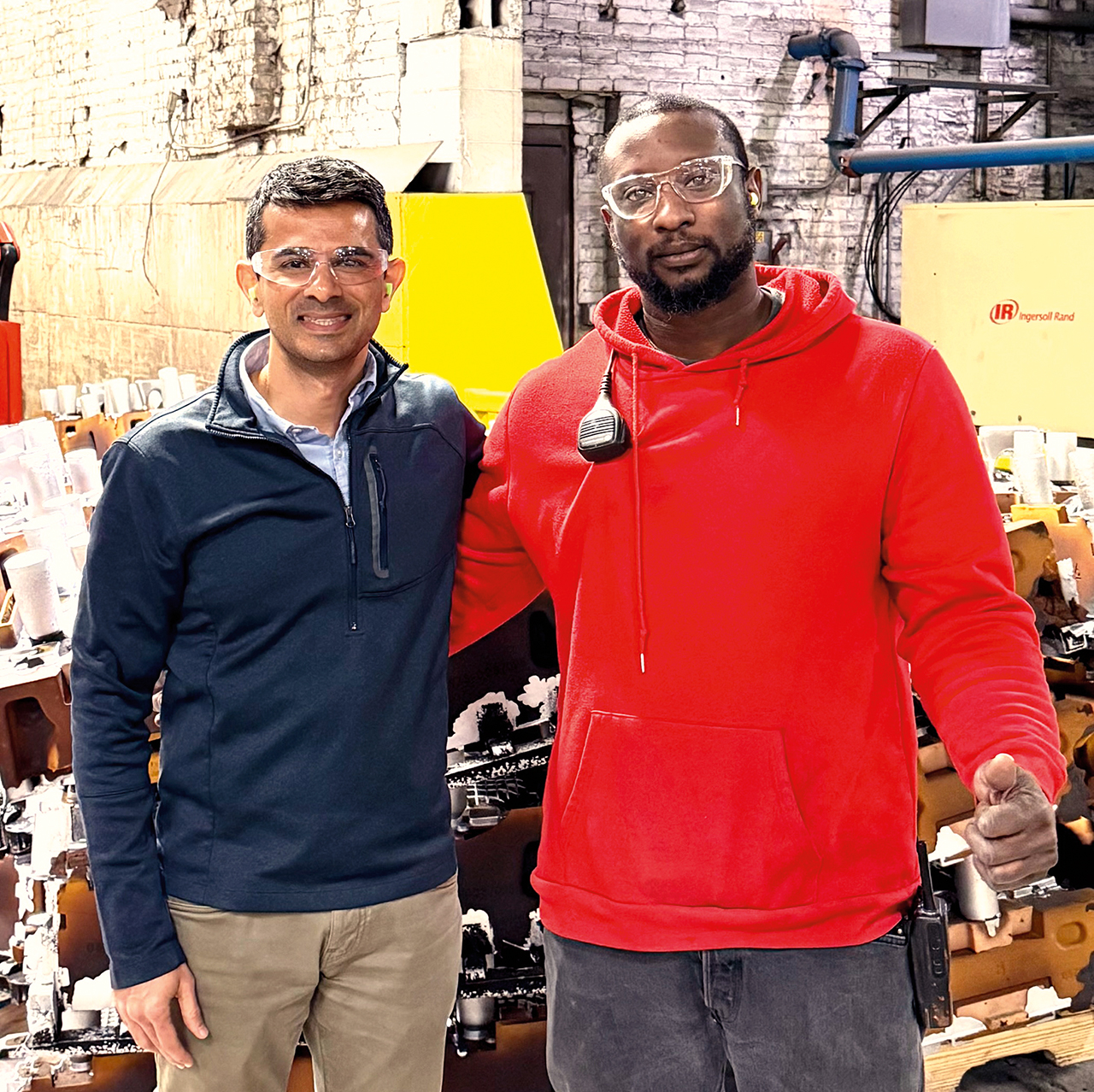
In business, margin is everything. The difference between a company that survives a bad few years and one that doesn’t is not always the size of the problem. It is the cushion beneath it.
Families have margins too.
A salaried employee who gets a DUI posts bond and goes home. She takes a long lunch for a dental appointment and loses nothing. When life disrupts her, it disrupts her. When life disrupts Randy, there is no category called disruption. There is functioning, and there is collapse. A car breaks down, the flu strikes, child care closes unexpectedly — attendance points rack up, the job is suddenly in jeopardy, and the carefully assembled structure of a life starts to come apart.
What I find remarkable is not that Randy sometimes stumbles. It’s that he holds everything together as long as he does, maintaining a level of daily discipline against a backdrop of distress that most of us will never be tested to match.
My 8‑year‑old and I have been reading about black holes. The closer you get, the more energy you need to escape — until escape becomes physically impossible. That is what I witnessed. Not a failure of will. A gravitational pull that compounds with every setback, every fee, every missed day.
There is a threshold, call it escape velocity, below which the system’s small relentless extractions become unsurvivable. My former college professor Lisa Dodson, who spent years embedded with low‑income workers across the country, calls this the “house of cards” – the architecture of poverty where there is no redundancy, no reserve, no margin for the ordinary turbulence of a human life.
So what can we do? At Wisconsin Aluminum Foundry, we’ve introduced daily pay so workers can access wages as they earn them rather than waiting two weeks. We offer $400 per month in child care reimbursement, structured specifically to help newer, younger employees.
Most traditional benefits — vacation time, tenure‑based wage levels, pension plans — naturally favor workers already on solid footing. Our most expensive benefit, health care, is the one our youngest and lowest‑paid employees use the least. We can design benefit structures with that reality in mind, and we are trying.
These are imperfect responses to a structural problem. They are what one employer can do.
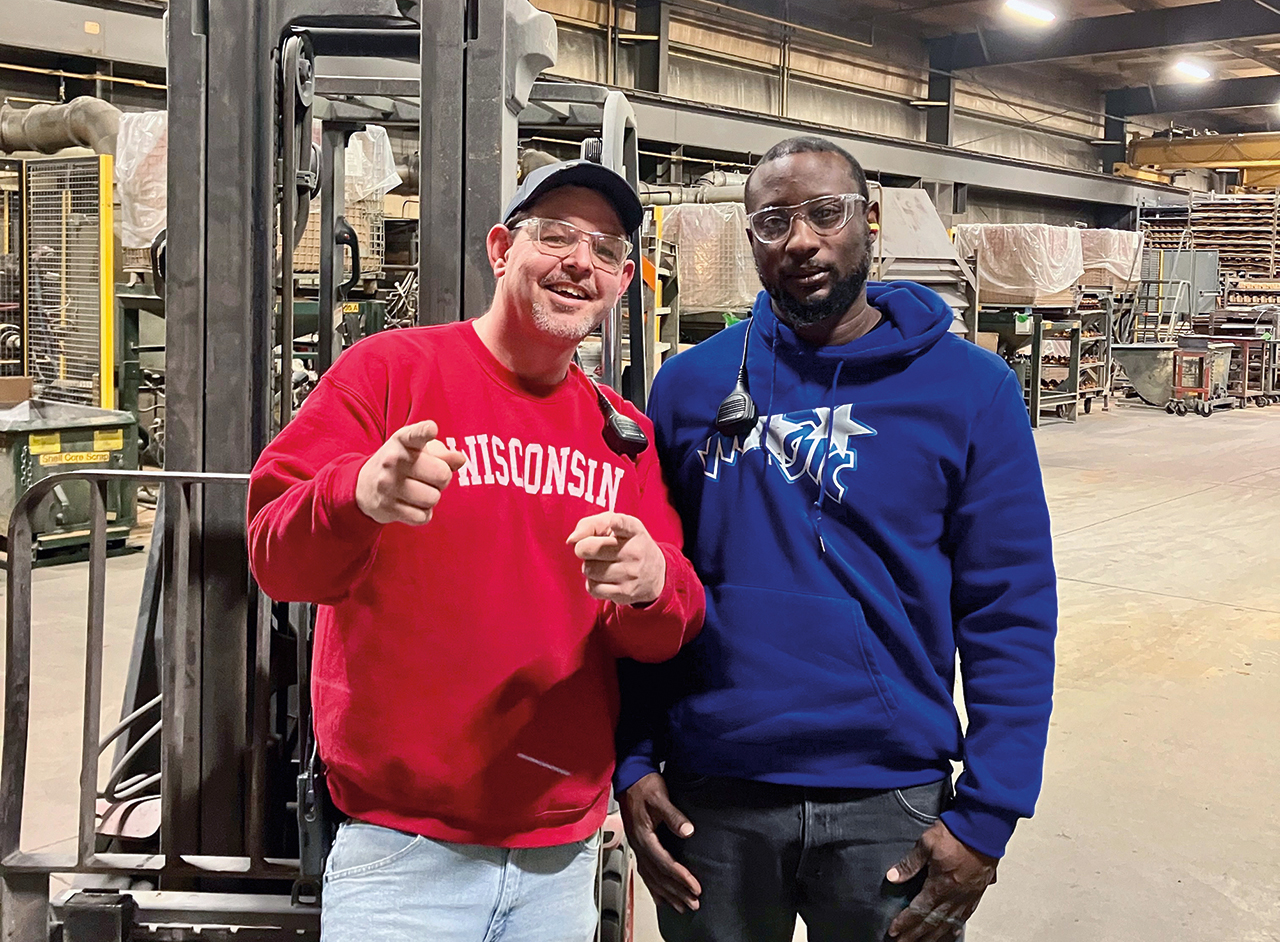
On policy, cash bail reform deserves serious attention. A system that assesses risk rather than bank balances would cost taxpayers nothing, and it might have kept Randy’s life from nearly unraveling.
My parents came to this country with very little and found the American Dream to be real. I believe it can still be real. Randy believed it enough to leave Milwaukee and start over in a city where no one knew him.
At our holiday party earlier this year, my wife and I spotted Randy across the room — arm around his girlfriend, at a table full of coworkers, dressed in his best, laughing.
His story isn’t finished yet. He hasn’t reached escape velocity. But he is defying gravity, every single day.
Info
Learn more at UnitedForAlice.org/Wisconsin. Explore local data through Fox Valley Data Exchange at fvdex.org.

