

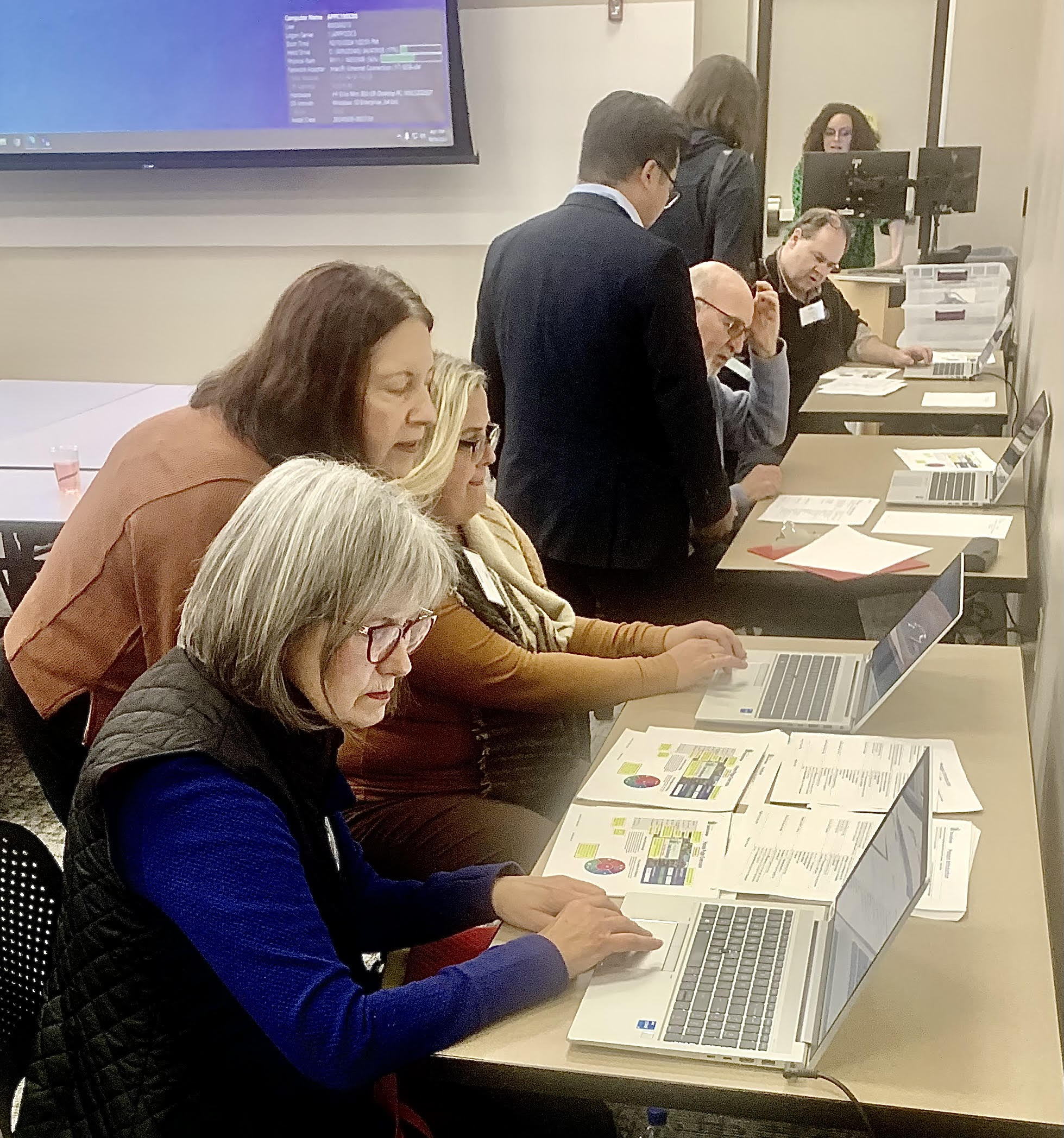
A tool that could revolutionize access and use of public data in Calumet, Outagamie and Winnebago counties wowed more than three dozen people from nonprofit agencies, local government and businesses Oct. 15
The Fox Valley Data Exchange launch was the culmination of more than four years of work and builds on earlier efforts such as the LIFE Study to evaluate and direct efforts to improve public health, education, housing, work opportunities and more.
Rachel Podoski, president of the Fox Valley Data Exchange Board, said, “The Fox Valley Data Exchange is a major leap forward, building on over 20 years of experience with the Fox Cities LIFE Study. If the LIFE Study was MapQuest, with static dashboards that can get you there but not adjust in real time, the Data Exchange is like the GPS on your smartphone, acting as a knowledgeable co-pilot that provides updates as conditions change and adjusts as you go, making your journey more dynamic and efficient.”
Jason Schulist, executive director of the Fox Valley Data Exchange, said 44 agencies were part of focus groups that helped determine what data is needed and how it might be used. The committee then selected a platform that would be easy to use and update and that can eventually incorporate local data.
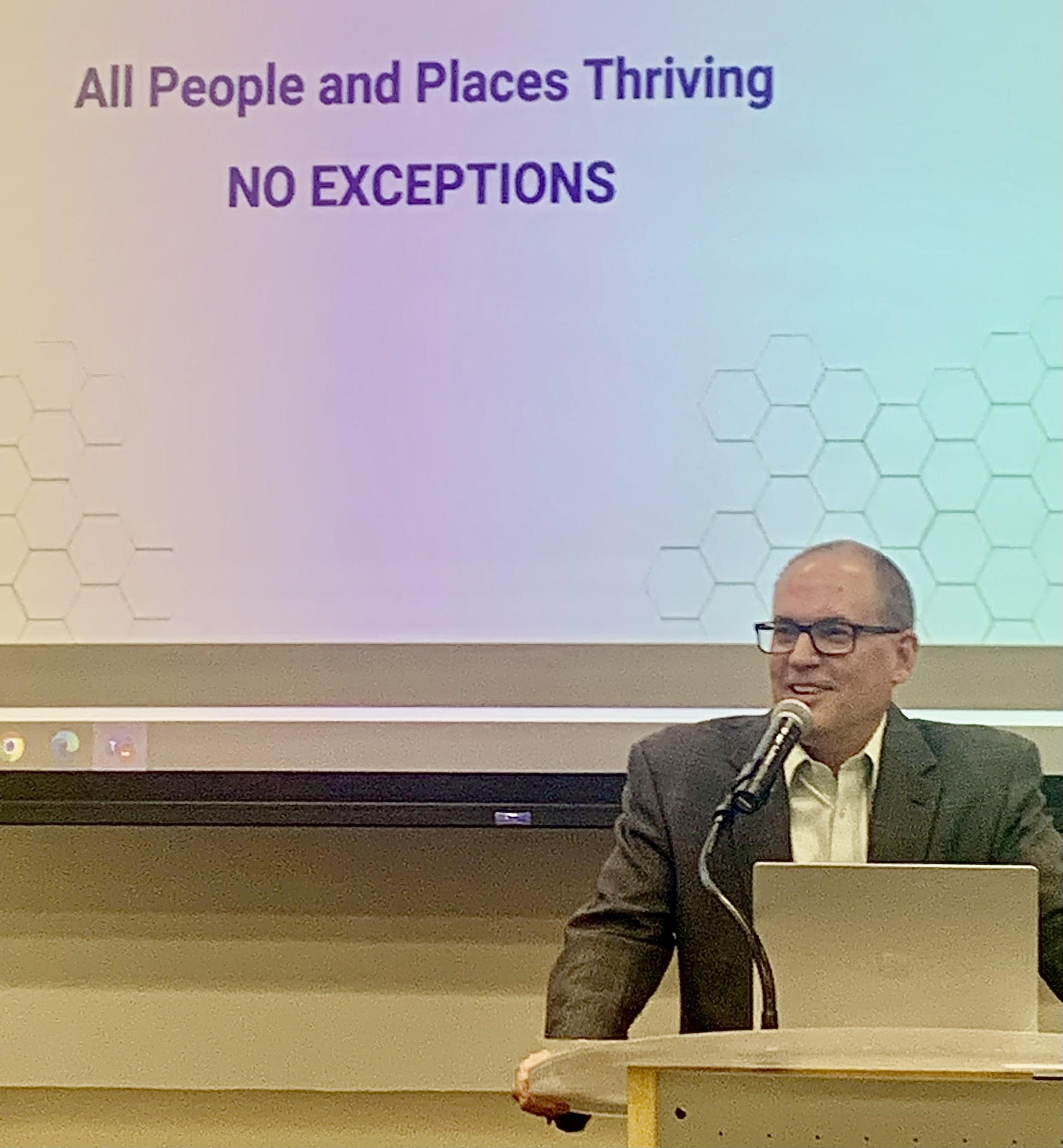
“The Fox Valley Data Exchange is a one-stop shop for our entire tri-county area. Most of the data drills all the way down to the census tract so we can pinpoint community investment opportunities. Any community member can easily download charts and graphs with one click. It is easy to see how the well-being of our communities is doing. And the resources is free for all to use,” said Schulist.
The platform is expected to be a valuable resource for a wide range of users, including public officials, nonprofit organizations, foundations, educational institutions, healthcare providers, public health agencies, local businesses, religious organizations, and others.
At the launch, Appleton School Superintendent Greg Hartjes said data from the exchange will help the district as it decides where to allocate resources and Amy McGowan of Habitat for Humanity Fox Valley used data from the exchange to determine where its annual Rock the Block program would be most effective.
Schulist also said he expects to see new collaborations and called it a “scaffolding for experimentation.”
The platform aggregates data from over 30 public and private sector sources, providing insights into more than 100 community metrics across the seven Vital Conditions for Wellbeing. Data is automatically updated as soon as it’s made available by the original sources.
For more information about the Data Exchange, visit vitaldata.fvdex.org or contact Jason Schulist at jason@fvdex.org

