
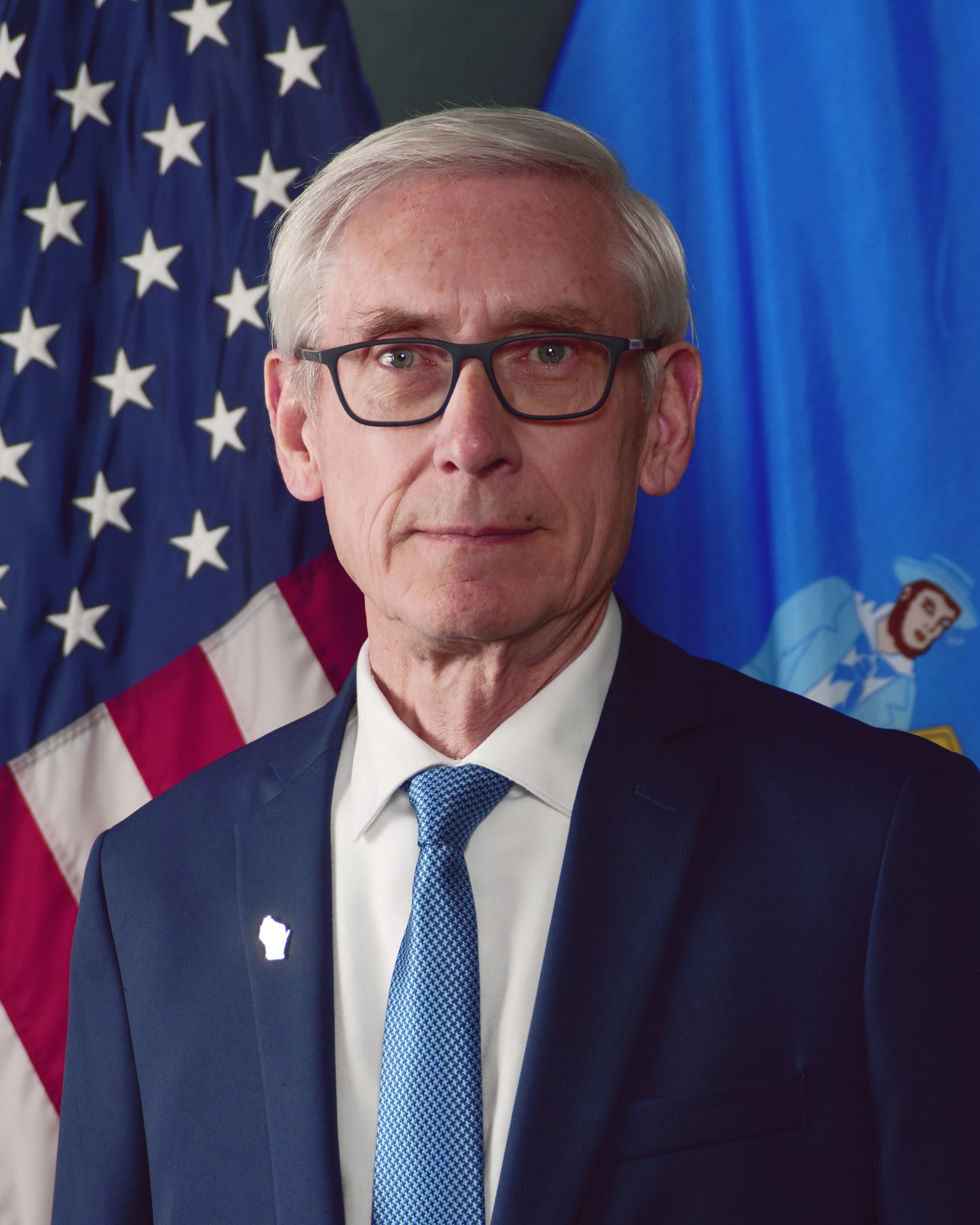

Gov. Tony Evers declared 2024 the Year of the Worker in his Jan. 23 State of the State address and introduced proposals for a teacher apprenticeship program, a taskforce on worker healthcare, and an employee retention office.
“From my vantage point, three things are key to addressing our state’s workforce challenges: first, we must find a long-term solution to our state’s looming child care crisis; second, we must expand paid family leave; and third, we must invest in public education at every level, from early childhood to our technical colleges and universities,” Evers said in the speech.
During Gov. Evers’ tenure, Wisconsin’s unemployment rate has hit record lows, reaching an all-time low of 2.4 percent in April 2023, and Wisconsin continues to have an unemployment rate below the national average and a labor participation rate above the national average.
Additionally, Wisconsin’s Registered Apprenticeship Program reached a record 16,384 enrolled apprentices in 2023, an all-time record in the program’s 112-year history and surpassing the previous record-high participation in the program in 2022.
During his speech, Evers announced the creation of a pilot program for a new apprenticeship pathway in the field of education. The pilot program will focus on student learning in a practicum setting and will allow students to earn a salary while developing their skills.
According to a 2023 report by the Wisconsin Policy Forum, the average annual teacher turnover rate from 2009 to 2023 was 11.5 percent, reaching an alarming 15.8 percent in the 2022-23 school year. The report found that both rural and urban districts, districts with large populations of low-income students and students of color, and small school districts were the most impacted. Additionally, turnover was highest for teachers of color.
This new pilot program will help address issues in turnover and retention while also bolstering and strengthening the state’s educator pipeline by reducing barriers and encouraging more young people to enter the field. Traditional educator preparation programs can be expensive, as they often involve an unpaid internship (student teaching), which may be cost-prohibitive for low-income students, nontraditional students, or individuals looking to change careers.
As part of the pilot program, participants will begin working as apprentices in fall 2024. Individuals participating in the new pilot program will:
- be employed and paid by a school district participating in the apprenticeship program;
- begin the program by enrolling in a 2-year associate degree program;
- work with a mentor and cooperating teacher;
- build on on-the-job skill training with relevant coursework;
- complete an approved Educator Preparation Program; and
- apply for a full teaching license (Tier II).
Wisconsin Apprenticeship pairs structured, on-the-job training with classroom instruction, allowing apprentices to be paid to “earn as they learn.”
Wisconsin has more than 200 apprenticeship occupations with over 2,600 employers. While traditional trade apprenticeships continue to be strong, emerging employment sectors and occupations, including healthcare, are building the depth of offerings and growing apprenticeship opportunities.
The governor also announced he create the Governor’s Task Force on Healthcare Workforce. The task force will be charged with studying the workforce challenges facing the state’s healthcare system, including recruitment and retention, identifying ways to improve patient care and alleviate the burdens on the healthcare workforce, exploring educational and training pathways to grow a sustainable healthcare workforce, and creating an action plan with solutions related to workforce development, industry innovation, education, and training.
According to a 2023 report from the Wisconsin Hospital Association, Wisconsin’s overall hospital vacancy rate increased from 5.3 percent to 9.9 percent between 2020 and 2021 and signaled the first nursing shortage in the state since 2007. A report released by the National Council of State Boards of Nursing found that 100,000 nurses nationwide left the workforce during the pandemic, with almost 900,000 stating they intend to leave the healthcare workforce by 2027. DWD estimates that if no remedial action is taken, the state will face a potential deficit of 20,000 nurses by 2040.
Finally, Evers announced that his administration will create a new Office of Employee Engagement and Retention at DOA. This office will provide leadership across the enterprise and partner with state agencies and DOA’s Division of Personnel Management to focus on employee retention and satisfaction through coordination of employee engagement programs, supervisor focused trainings, professional development programs, employee mentorship programs, and employee recognition programs, among other initiatives.