
By Lori Kaye Lodes
At its heart, the Fox Valley Memory Project is focused on helping individuals affected by dementia and their families “find moments of joy.”
“Moments of joy are still there,” says Executive Director Mike Rohrkaste. “You may have to work a little harder to find them, but they’re there.”
Rohrkaste, who previously served in the Wisconsin State Assembly, took the helm of the organization in 2019, joining the nonprofit’s work to operate and support programs and services that improve the quality of life for individuals with dementia. Fox Valley Memory Project’s focus also extends to those individuals’ families, care partners and friends.
“When my mom, Thelma, experienced dementia, we didn’t really understand what was happening to her,” Rohrkaste says. “She was getting forgetful to a point where it became unsafe for her to live by herself. And it was a very tough situation. It wasn’t until I got into the legislature and learned more about dementia that I really understood what had happened to Mom, and it clicked that this is a behaviorally challenging disease.”
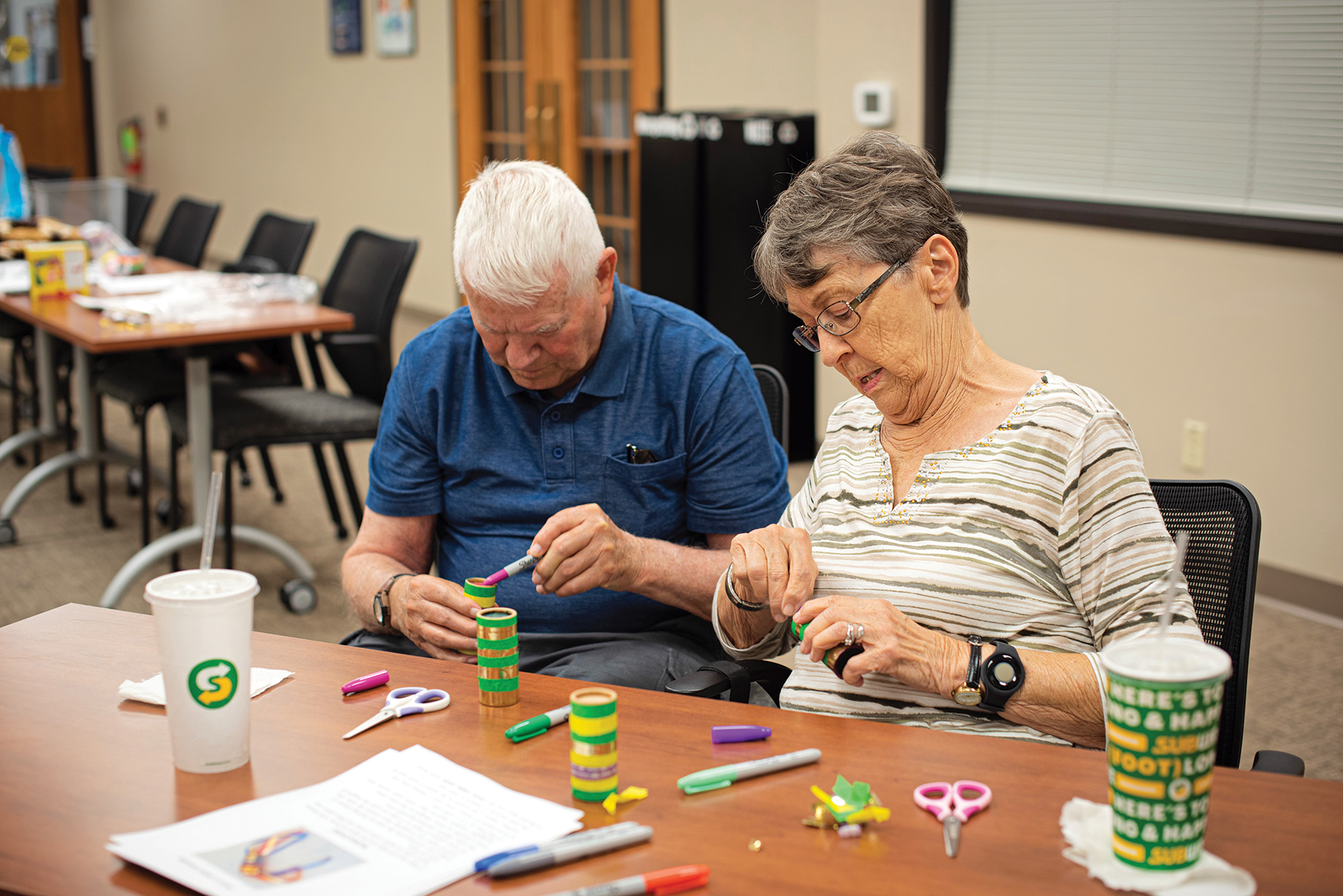
Rohrkaste’s legislative work connected him to the Fox Valley Memory Project, which takes a multi-pronged approach to help individuals with dementia and their care partners. This includes social events (including memory cafes, the On a Positive Note Dementia Chorus and group outings), respite groups (weekly Mindworks classes for people with early- to mid-stage memory loss that give care partners a break) and resource referrals to in-house services and community resources.
“For example, an Elvis impersonator allowed a caregiver to dance with their spouse with Alzheimer’s who used to do ballroom dance,” Rohrkaste says. “A lot of our programs stimulate those memories or parts of the brain. We help them stay mentally, emotionally and socially engaged in things they were involved in before the diagnoses, or find new things to take their place.
“We can’t cure dementia, but we can help people understand what is happening, and we can help them through the journey,” he adds. “The health care community recommends individuals with dementia or Alzheimer’s stay engaged and make that time more meaningful for them and their care partners and family members.”
Memory Link is the newest, free program, employing two full-time resource navigators who contact care partners on a regular basis to discuss their individual situations and create action plans that may include connecting with community resources, trying new communication strategies or implementing home safety changes.
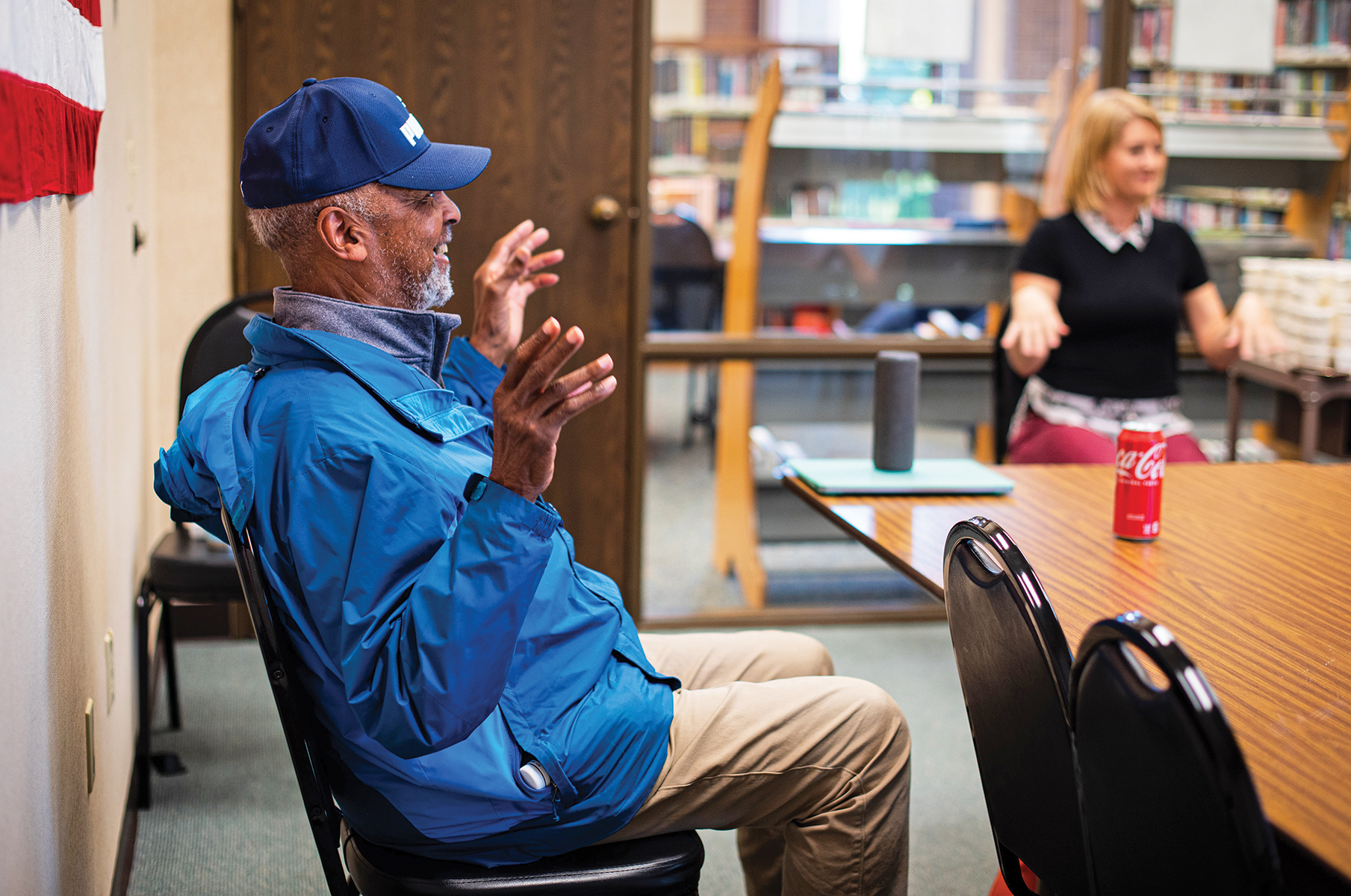
“It’s a great support system and program for families,” Rohrkaste says. “We have medical professionals saying, ‘This is what we need. We can diagnose them and manage medications but we can’t help with difficult decisions such as taking the car keys away or other effects of the disease.’ With Memory Link, we offer long-term support.”
Long-term and far-reaching, Fox Valley Memory Project aims to build a broader understanding of, and compassion for, people with dementia and their unique needs within the communities they serve. This includes Waupaca, Calumet, Outagamie and Winnebago counties.
“Community education is the fourth element of our work to help the community understand dementia,” Rohrkaste says.
The project’s team reaches out to Rotary Clubs, churches and others for educational opportunities. Further, it uses dementia education programs including Purple Angel to help clergy members, bank tellers, emergency room staff, police and other public-facing individuals understand behaviors and characteristics of people with dementia so they can accurately assess situations and help them.
While the Purple Angel and Memory Link programs are individually in use in other parts of the country, a broad spectrum organization like the Fox Valley Memory Project is uncommon. Rohrkaste isn’t aware of any others in the state, and he encourages residents to use the unique resource.
“If someone is showing signs of memory loss, refer them to us so we can help the entire family through this challenging journey,” he says. “You will realize you’re going to need help and support, and accept that that’s OK.”