

A shortage of dental hygienists and dental assistants drove three recent program expansions in Northeast Wisconsin that incorporate advanced technology and increase opportunities for those hoping to enter the field.
The shortage in the field coincides with a shortage of dentists and is related to professionals aging out of the field, according to Dr. Rachel Steele, president of the Wisconsin Dental Association.
Steele says demographics caught up to the field prior to 2020 when dentists, hygienists and assistants who were part of the baby boomer generation began retiring in significant numbers. At that time, one-third of dental professionals in Wisconsin were boomers.
The COVID-19 pandemic exacerbated the situation, with some in the field choosing to exit at that time as safety precautions and financial pressures mounted.
“It was pretty evident at WDA that we needed to do something to help try and increase the numbers,” Steele says.
WDA created a task force and successfully lobbied for increases that would allow technical colleges to expand their programs. The Wisconsin legislature designated $20 million in 2023 to expand dental training programs at 13 campuses including Lakeshore College, Fox Valley Technical College and Northeast Wisconsin Technical College.
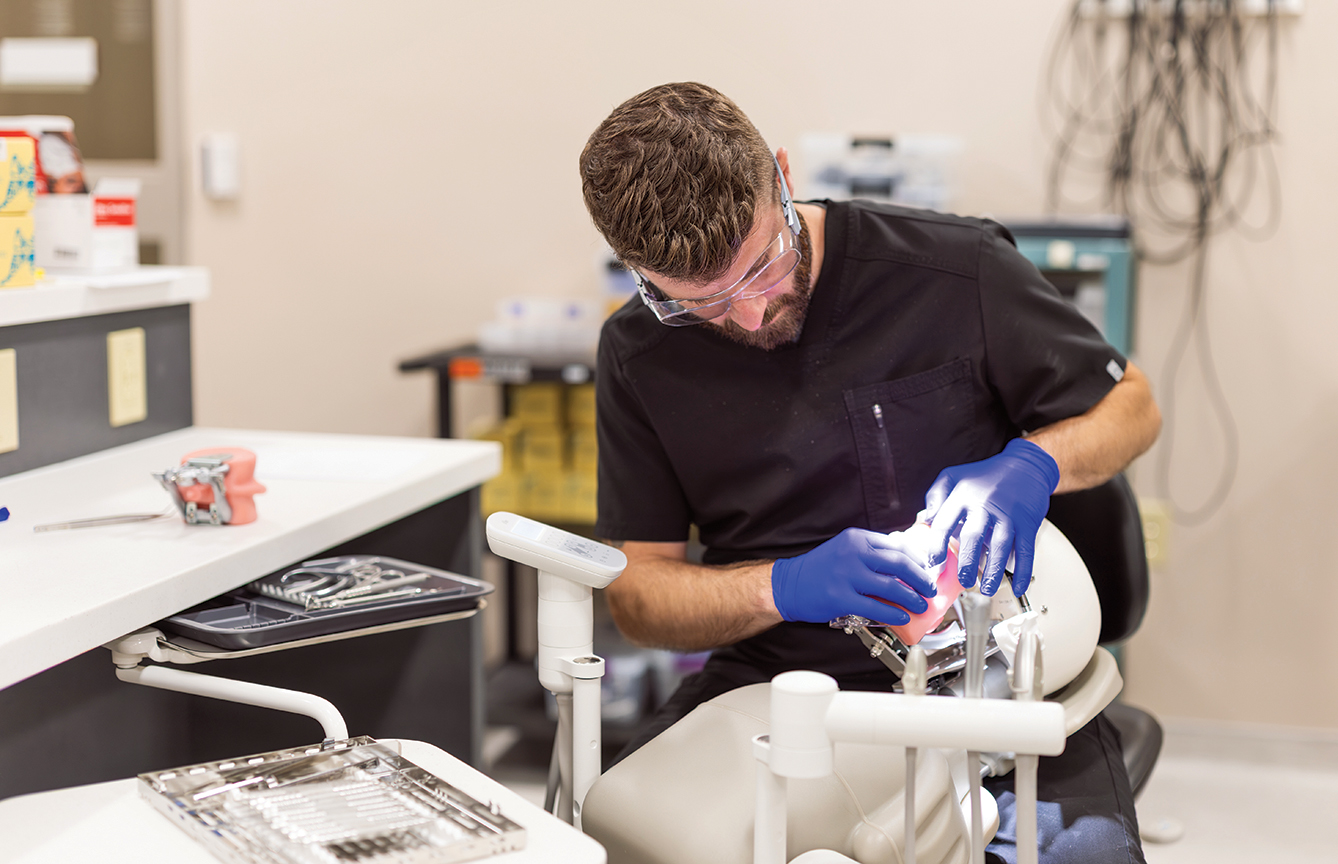
The $2.1 million expansion at FVTC increased the number of dental treatment chairs from 12 to 18. In addition, one classroom was converted into a simulation lab with 12 dental simulators.
The expansion reduces congestion and increases efficiency, according to Robin Eichhorst, chair of the dental hygiene department.
“The new central sterilization room will accommodate more students and allow them to perform sterilization tasks more efficiently,” she says. “The added clinic space allows more flexibility for our programs to share our spaces for teaching and for our students to treat patients.”
At Lakeshore College, the previous lab used to train dental assistants was demolished. The new lab will allow the college to train 15 assistants per year and add a new dental hygienist program for up to 10 students. Lakeshore is seeking certification and plans to launch the hygienist program in the fall.
The $1.2 million in state funding for the new lab at Lakeshore was supplemented by private donors who recognized the need, including $150,000 from the West Foundation and $135,000 from Heartland Dental.
In addition to meeting the need for more people in the field, the new training labs also are expanding the use of technology, which Steele says has changed rapidly in the field.
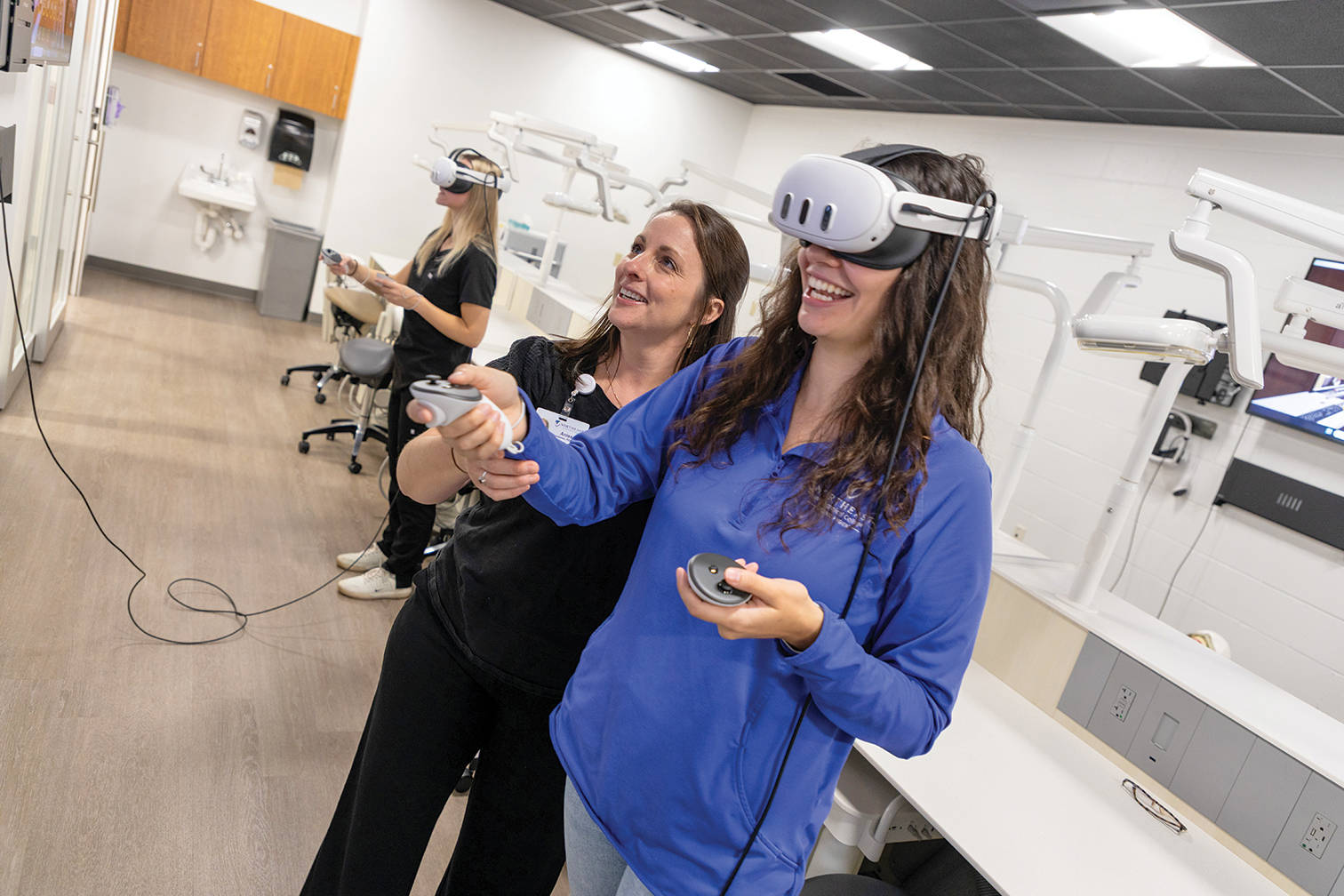
The NWTC lab uses extended reality.
“Having the lab allows our students to be ‘inside’ realistic 3D simulations where they can interact in environments that are difficult to mimic or experience in the classroom,” says Sheila Gross-Rogers, NWTC dental program director and dental hygienist instructor. “AR/VR allows students to make mistakes and learn from them without real world consequences.”
The lab includes simulation manikins for practicing procedures, along with Meta Quest 3 headsets for virtual scenarios.
Steele says the recent program expansions will help fill the gap in a year or two and keep the pipeline open.
After touring the NWTC lab, Dr. Alissa Edwards of Fox Run Dental in Appleton said: “The setup more accurately depicts real dental settings and prepares students for high-tech offices. The most promising aspect was the students themselves.”