


While startups have been declining steeply everywhere in Wisconsin over a 40-year period, rural Wisconsin is showing the most startup activity of the state, says a new report by UW-Madison researchers.
And a recent jump in new business filings — much of it fueled by the pandemic — shows promise. But startup experts say there are still challenges to overcome to keep the positive trend going.
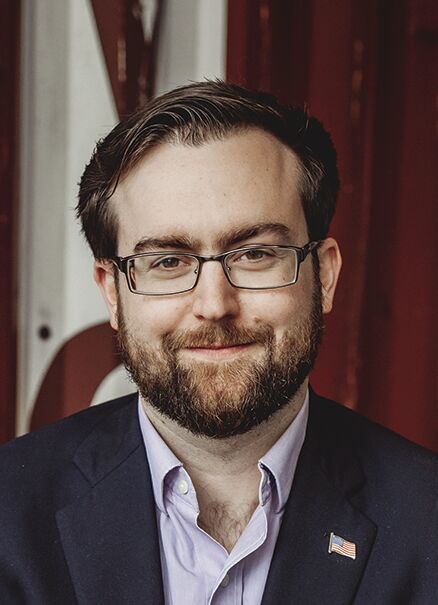
“One of the interesting insights from the report is there has always been more startup activity in rural Wisconsin than centers in Wisconsin, which is fascinating,” says Matt Cordio, director of the Wisconsin Startup Coalition.
The Rural Innovation Report, created by the Wisconsin Startup Coalition and the University of Wisconsin Department of Agricultural & Applied Economics, shows that in 1978 there were 16 new businesses per 1,000 employees in rural Wisconsin. By 2018, the number of startups had dropped by half, to eight per 1,000 employees.
However, in metro areas, the rate went from about seven per 1,000 to three. In non-metro-adjacent portions of the state, the rate fell from about 11 startups to four per 1,000.
These rates do not include self-employed sole proprietors, which the report says may partly offset the decline, as these “gig economy” businesses make up more than 75% of all businesses.
The pandemic as startup fuel
The recent increase in startup activity has largely been driven by the pandemic, Cordio says.
“I think people took time to reflect and assess their career paths and what they wanted to do, or people identified new opportunities,” he says. “A disruption like the pandemic obviously created a bunch of new opportunities for entrepreneurs to capitalize on, with changes from how we do health care to how we move things around supply chain and logistics.”
Data shows that traditionally the best time to start a new venture is during times of economic upheaval, Cordio says.
“So we expect to see startup activity continue to remain strong,” he says. “But at the same time, we need to be sure that with the new influx of startup companies, they have the support to grow, scale and thrive and create jobs here in Wisconsin.”
Building a stronger environment
Access to capital is one of the key ingredients to making a startup ecosystem successful, which allows angel investors to take bets on entrepreneurs, Cordio says. Locally, groups like Tundra Angels and TitletownTech in Green Bay have been helping startups gain ground.
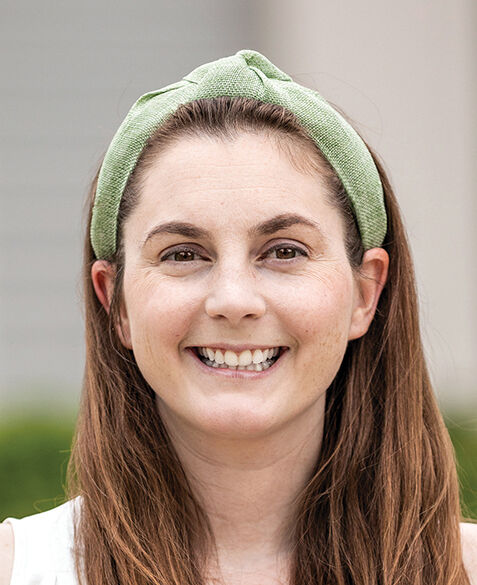
And as broadband and access to technology improves, location plays less of a role in whether startups receive funding.
“I think a lot of communities think that they need access to capital locally to have a startup scene, but you don’t,” says Stephanie Hoskins, who founded the software company Debtle alongside her husband after she recognized a need within the health care industry.
The Hoskinses have met with big-city investors from San Francisco to New York, all from their home office in Sheboygan, Hoskins says.
“One thing we’ve been trying to explain to local economic programmers is that if you have customers, revenue and a solid business plan, the capital will come,” Hoskins says. “The capital will find you. They’re not bound by state lines.”
Additionally, Sheboygan County is unique in that it has a very high concentration of large companies including Kohler, Acuity, Johnsonville, Bemis, Vollrath, Sargento, Wigwam and others, Hoskins says.
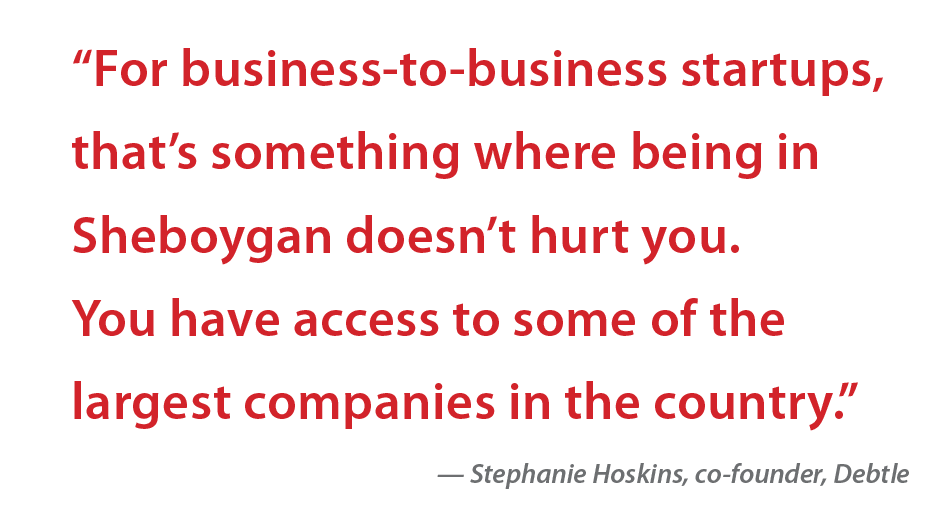
“For business-to-business startups, that’s something where being in Sheboygan doesn’t hurt you,” she says. “You have access to some of the largest companies in the country.”
Creating opportunities
Cordio says there have been some strong efforts to increase awareness of startup investment opportunities in the state of Wisconsin. “But I think where we need to be especially aggressive is in talent attraction and continuing to increase the amount of available capital to early-stage entrepreneurs,” he says.
Both of those factors, he noted, also assist established businesses that are suffering from ongoing labor shortages and workforce issues.
Access to startup capital could be expanded and improved by updates to state policy, says Julia Collins, a managing partner for Oshkosh’s Lincoln Labs, which operates as a parent company to software tech startups.
The state Qualified New Business Venture (QNBV) program, for example, doesn’t allow for investors outside the region to receive the same tax benefits as those within Wisconsin.
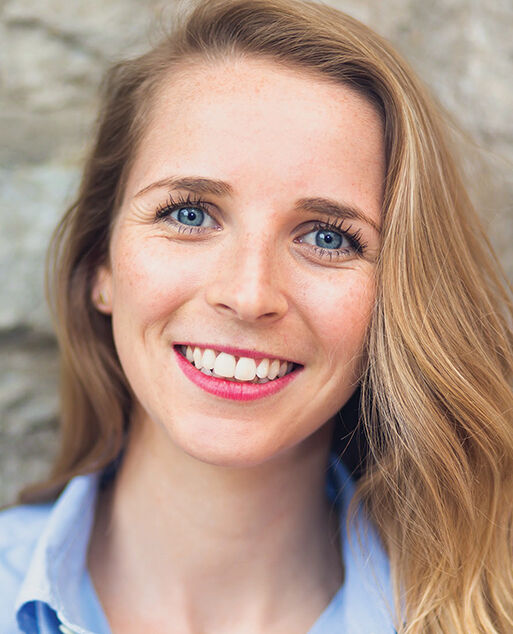
“I think it takes away a lot of opportunities, say, for a venture capital firm based in Chicago that wants to invest in Wisconsin startups,” Collins says. “I understand the policymakers are trying to keep tax money and tax benefits here in Wisconsin, but I don’t think they’re fully understanding the impact by narrowing our market for capital.”
Talent also remains a challenge for companies of all sizes. Eric Hoopman, co-founder & CEO of Lincoln Labs, said in an email that before COVID-19 particularly, it was hard to source all the skill sets needed in a small market in one place. Additionally, “the collaborative tools to make remote teams function at a high level weren’t yet fully fleshed out, so there were definitely skill gaps at regional tech companies.”
Lincoln Labs engages engineering teams from places such as Uzbekistan, home country of co-founder Farrukh Umarov, as well as the eastern European nation of Georgia.
“I see the cycle of people with great ideas, but they’re not able to find the talent needed to go from idea to working product,” says Collins. Some clients aren’t keen on the idea of seeking talent outside the country, but “if you work with the talent that we have offshore to build your product, you’re able to create local jobs with the products you built,” she says.

The benefits of smaller places
The Rural Innovation Report notes that while urban areas benefit from an innovative environment led by a concentration of industry and a broader labor market, “rural areas, too, have unique assets that can lead to innovation.”
Clusters of farms with complementary ag industries, natural amenities, manufacturers that fuel innovation, a concentration of skilled workers and high quality of life all can lead to new startup activity, researchers wrote.
Additionally, retirees and telecommuters are moving into rural areas, and the pandemic led to more people relocating or returning to the Midwest.
“There obviously have been opportunities and we’ve seen people migrating away from the coasts,” Cordio says. People are recognizing the opportunity for a great quality of life, to raise families, to seek a more cost-effective region, or to take advantage of new opportunities, he adds.
Collins, a La Crosse native and data engineer who worked with a startup in New York for about five years before joining Lincoln Labs, returned to the Midwest during the pandemic, and has found a supportive community for startups.
“I’ve been really impressed with everybody being willing to connect me to people that could mentor me, help or potentially be a lead for any of the services we’re able to provide,” Collins says.
Additionally, her cost of living is far lower than in New York and that allows more room for taking chances. And there are a lot of smart people with good ideas for endeavors that don’t exist in larger cities, including in the ag tech area, she says.
“There are problems in the Midwest that need to be solved, and they need to be solved by people from the region that have dealt with them for years that have understood these problems for years,” Collins says.
When the pandemic struck, the Hoskinses, who were living in New Orleans, decided to stay with her parents in Kohler for a number of weeks.
“In that time period, my husband just completely fell in love with Sheboygan County … and we did some digging and I thought, ‘Okay, if Debtle has just as good a chance to start up in Wisconsin as it does in New Orleans, then we’ll definitely make the move.’”
While New Orleans also has a vibrant startup scene, “I think it lacks a lot of other pieces of the community that Wisconsin does really well,” she says.
In reaching out to innovation groups and other entrepreneurs, the Hoskinses discovered that the Sheboygan area has a dual advantage, being included in both the Milwaukee-area and New North regional startup ecosystem, she says.
“We’re in this perfect spot where the county overlaps with both of these great ecosystems that are both really ramping up and gaining momentum,” Hoskins says. “With everything being virtual, I don’t feel like we missed out by not being in a big tech hub.”
Hoopman also says there are advantages to being in in a small market, including word of mouth.
“If you have a fun startup working on a cool project in a small market, it is much easier to build buzz, awareness and recruit the best area talent,” Hoopman says. “You essentially are ‘the talk of the town,’ whereas in large markets you are one of many.”
Additionally, the Rural Innovation Report states, rural businesses also survive at higher rates than urban ones.
Fostering a startup environment
However, there’s still room for improvement to build a stronger startup community in Wisconsin’s rural and small communities.
Hoskins would like to see more activities such as networking events for startup founders in the Sheboygan area — most are in Milwaukee and Green Bay. More childcare options also would help make things easier for young startup founders. The Hoskinses currently have three kids under age four, so “it takes a little more effort on our part to be a consistent presence in those networks.”
Another challenge has been internet connectivity. While the state has been working on initiatives to expand and improve rural broadband initiatives, it has been and remains an ongoing frustration. “I have been on investor calls where I lost internet,” Hoskins says. “On Zoom calls, you always can tell when there’s other rural people because they’re like, ‘I’m going to have to turn off my video now.’ It’s the only way the internet can handle it.”
Hoopman says building a better environment for startups in the region starts with risk tolerance — including for those with ideas — understanding that success doesn’t only belong to people in large markets.
“People need to believe more in themselves and their ability to build something amazing from Anywhere, U.S.A.,” he says. “The encouraging thing is this is happening more and more in the region.”
And, Hoopman says, as the saying goes, “success begets success. True for the individual as well as the region. The more wins from startups, the more entrepreneurs we encourage to take the leap of faith.”