
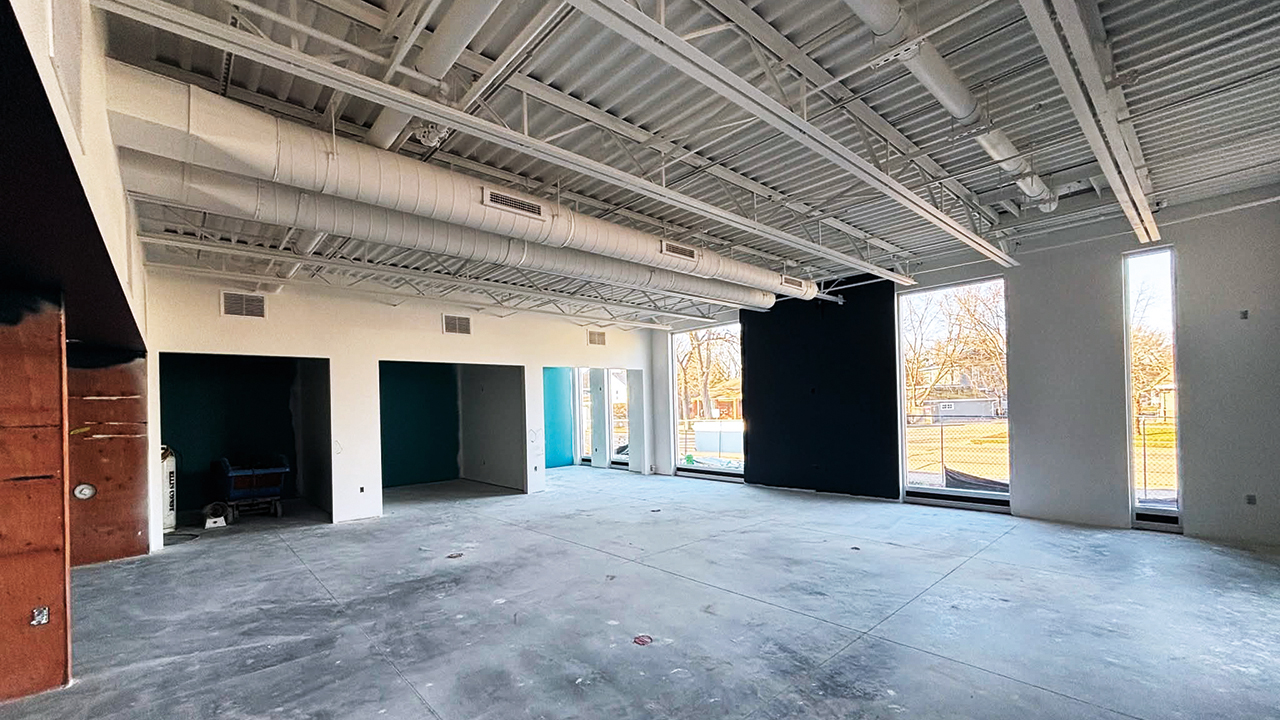

When it comes to a focus on development, housing is front and center for most communities, including those in Shawano and Waupaca counties.
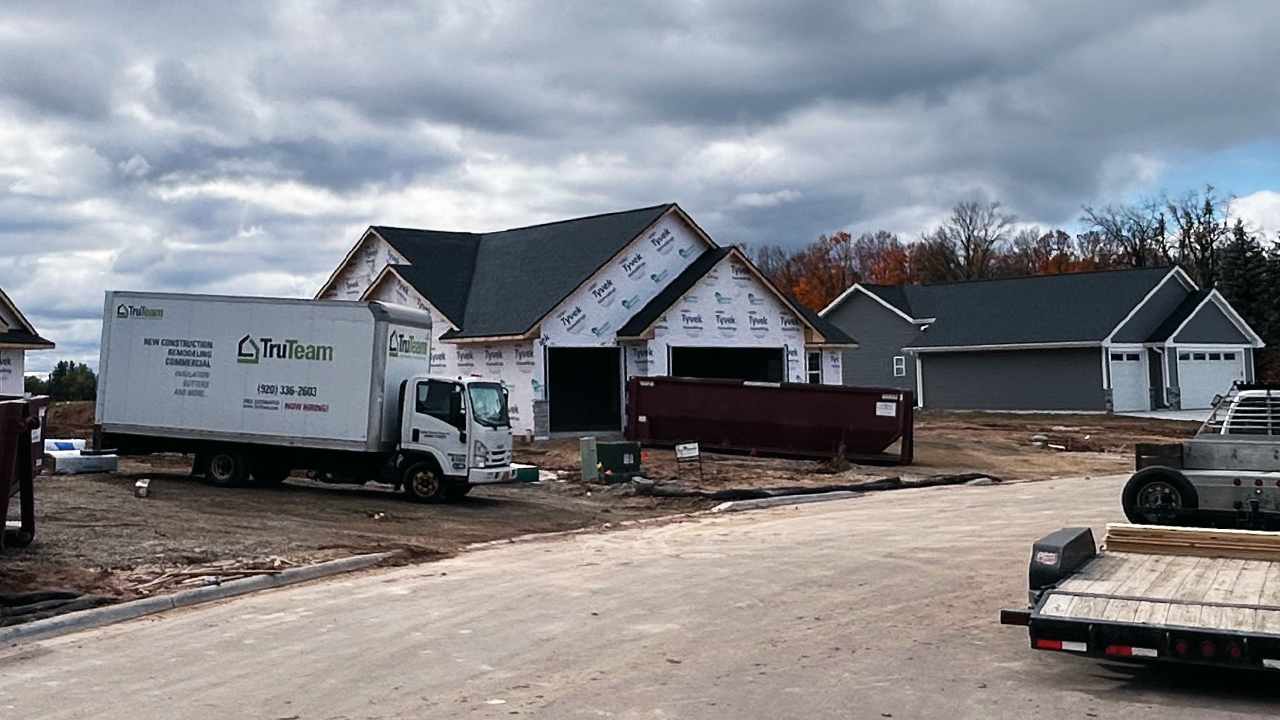
“Housing is big,” says Peter Thillman, executive director, Shawano County Economic Progress, Inc. The county has been taking advantage of various tools to help facilitate growth, including the Thrive Rural Wisconsin program, administered by the Wisconsin Economic Development Corp. Local communities have been using the program to help bring housing projects to fruition, including the 48‑unit Bear Trail Crossing multifamily project and the 7‑unit single‑family Sunrise Court subdivision in Bonduel, which is the first new housing development in more than 20 years, Thillman says.
“The same thing is going here in Shawano, where we have that development south of the school between [Highway] 29 and NWTC,” Thillman says. The Woodland Trails Subdivision project by Muscha Properties will have more than 100 single‑family homes in a 40‑acre area.
Through Thrive Wisconsin, Wittenberg will establish a redevelopment authority, creating a downtown plan, a parks plan and a redevelopment plan for their downtown, Thillman says. That community just completed a 60‑unit development from SC Swiderski this fall.
“We’re excited about working with Wittenberg on creating this redevelopment authority, and we’re just starting to work on their downtown’s project there,” Thillman says. “That includes housing.” Bonduel also is putting together a redevelopment plan to ensure they have the infrastructure to support the new housing going in, he says.
‘Opportunity zones’ are another tool helping to facilitate building opportunities in rural communities. These zones can encourage developers to invest in properties in economically distressed areas of the country through deferral of capital gains taxes. “We’re pretty excited about it, because now we have this other tool to encourage more investment in our community,” Thillman says.
Shawano has two zones that are eligible, and the county hopes to designate both those zones. “We’re also working with New North, Inc., on this one, because we’d like to get as many of these zones in Northeast Wisconsin designated,” Thillman says.
Additionally, Gov. Tony Evers recently signed several new bills designed to help facilitate housing construction, including a new TIF law that allows for residential‑only tax incremental finance districts. Regular TIF districts limit housing to 12% of a community’s equalized tax value, and Shawano, Wittenberg, Bonduel and Waupaca have reached that limit. The new law limits these TIFs to 3% of the total equalized value of taxable property within a community.
“I think that there are some really positive tools that have been added, or tools that have been made more useful to developers and municipalities as part of the recent legislation, including the new workforce housing TID,” says Julianna Stohs, community & economic development director for the city of Waupaca.
That TID is focused on small‑lot, single‑family and two‑family, smaller homes, intended to make housing more attainable for people looking to buy at a lower price.
“The intent of that is that it would help to offset the infrastructure costs of putting in new subdivisions,” Stohs says. “So we would like to find opportunities to partner with developers to take advantage of that legislation.”
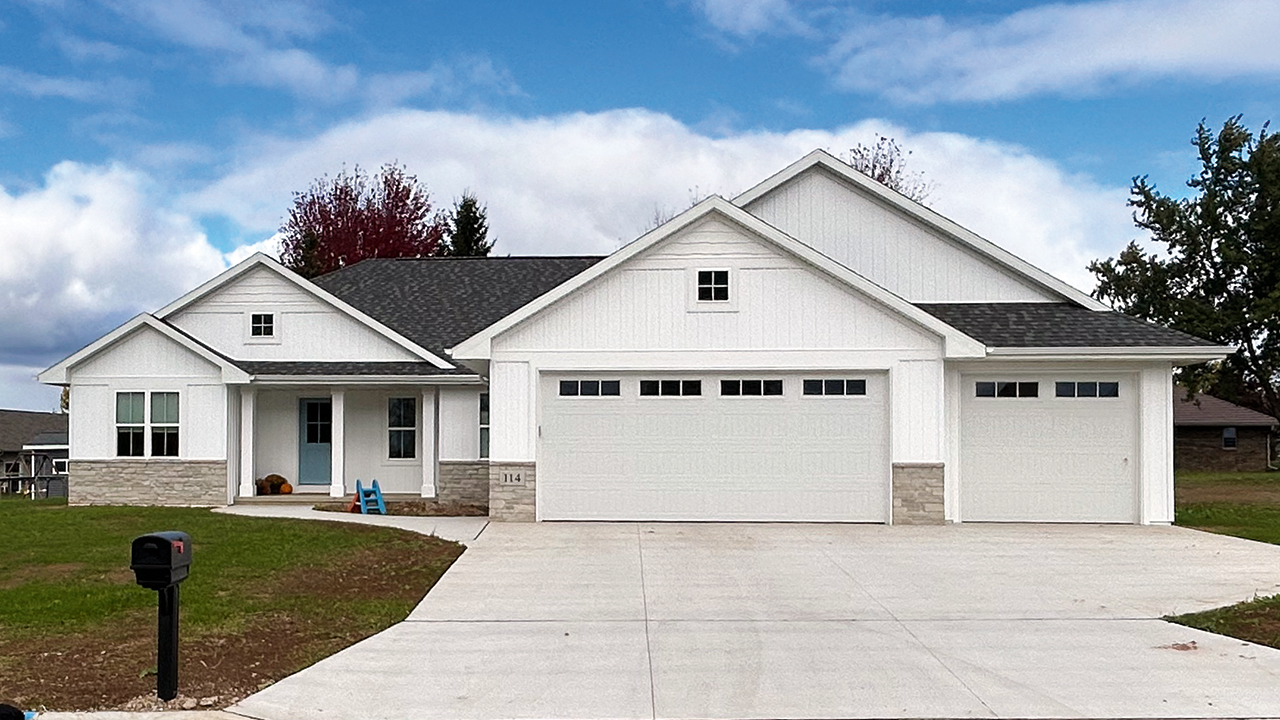
Last year, Waupaca saw the addition of 45 affordable units developed by Mosaic Ventures, LLC and 30 market‑rate units from Schuelke Properties LLC. The city also is seeing construction on River North Ridge by Tycore Built LLC, a new market‑rate apartment complex and residential subdivision on the east side of the city, Stohs says. “We’re expecting the first few homes to receive their occupancy permits in the next month or so. We’re very excited to see those marketed for our workforce.”
With a multifamily vacancy rate at about 1%, “we want to make sure that we’re meeting the needs of our local employers and individuals who want to choose to retire or reside in our community by building additional housing,” Stohs says.
On the commercial side, the city sees “lots of interest in vacant spaces in our downtown, which underwent some incredible development about five years ago when they redid Main Street,” Stohs says. A new children’s boutique called April & Mae’s, offering clothing and a hat‑and‑charm bar, recently opened.
Additionally, the city is opening a new business center in the recreation center later this summer, a project made possible through a $4.1 million grant from the Wisconsin Department of Administration Flexible Facilities Program.
The business center will include a coworking lounge, leasable office spaces, meeting spaces, as well as telehealth suites, an AV studio and entrepreneurship training.
“We’re also trying to position our community for site selection and opportunities for industrial development, given that already has such a strong industrial workforce through the foundry and other related industries in our community,” Stohs says.
The city of New London, which sustained devastating flooding in April, is occupied with cleaning up and helping the community recover. But the city also will continue to be focused on growth, says Austin Dyb, director of community development for the city.
New London has been working on downtown revitalization through façade improvement grants; the library is about to open in the former First State Bank building; and officials continue to see interest along the commercial corridor on the north side of town, Dyb says.
The recent Highway 15 project completion lowered travel times from New London to the Fox Cities significantly, opening up a number of opportunities for residential and commercial development, he says.
Through TIF opportunities, the city recently added two mixed‑residential developments in the southwest portion of the city near the high school, and has seen “a major influx of housing, including a 98‑unit multifamily apartment complex owned by S.C. Swiderski along the Wolf River,” Dyb says. “This development marked a major achievement for the community, providing a level of housing that has been unavailable up to this point.”