
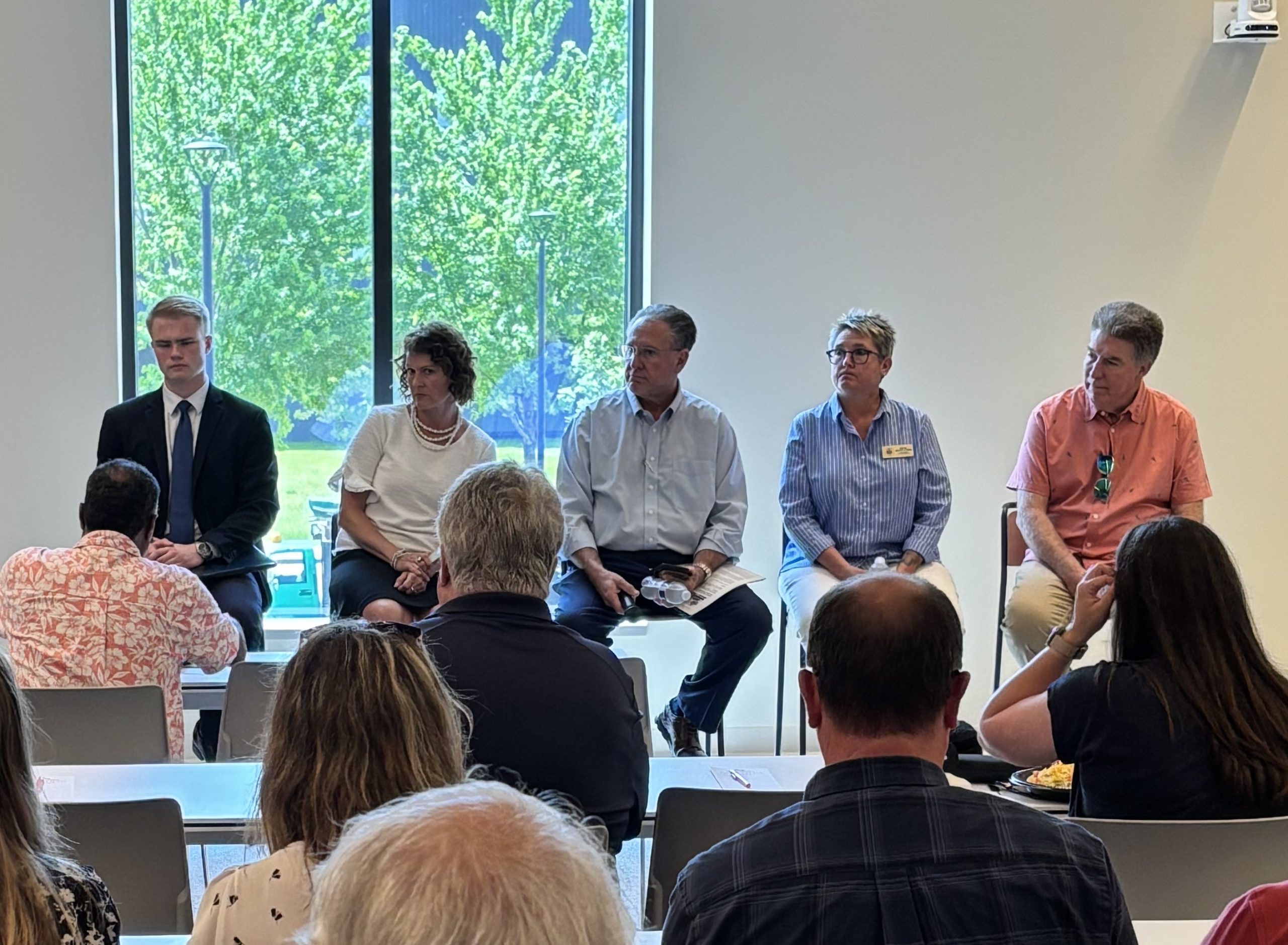
The growing housing shortage across Northeast Wisconsin is the result of rising costs of construction materials, regulatory barriers, labor shortages and bad attitudes, according to panelists at a Fox Cities Chamber of Commerce luncheon.
“We’re the biggest problem,” says Jennifer Sunstrom, Government Affairs Director for the REALTORS Association of Northeast Wisconsin. “If we don’t fix our attitude problem… we’re never going to fix this problem. We’re failing the American Dream.”
Sunstrom explains that often the only people who show up to public meetings to talk about housing development in a community are people opposed to a specific project. That derails and delays projects which developers have hundreds of thousands of dollars invested in to just get to the point of approval.
It also prevents construction of homes in the right price range and density to adequately address the housing shortage.
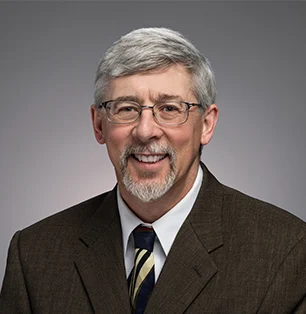
“We need smaller lots and more units,” says Tom Rooney, president of Mark Winter Homes. “The only way to solve this issue is with density.”
Rooney says household sizes are getting smaller and there is more demand for smaller homes. Sometimes neighbors near a development object because they worry about how it will impact the value of their property, not recognizing that the homes being built will cost more than their existing home.
Rooney also says the regulatory costs and inconsistent application of zoning ordinanances can be a problem too. According to the Badger Institute, 23.8 percent of a new home’s cost can be attributed to regulatory expenses.
There are legislative answers to some of the issues, but State Rep. Robert Brooks and State Sen. Kristin Dassler-Alfheim both caution that legislation can’t solve all the challenges and mandating solutions at the state level takes decision making out of the hands of local government.
Sunstrom says developers are not reaping huge profits as a result of rising prices and Rooney agrees saying his company has seen smaller profit margins even as prices rise. Rooney adds that having a project derailed by public outcry in the final stages is costly.
“The risk is so high for developers that we’re losing them,” Rooney says. That in turns means there are few homes being built.
Sunstrom vented her frustration saying “If you don’t want something to go in next to you – buy it. If you own it, then you get to say what happens to it. If you don’t own it, then don’t show up and tell somebody who does own it that they can’t put on the land the very same thing that you own yourself.”