
Photograph By Shane Van Boxtel/Image Studios
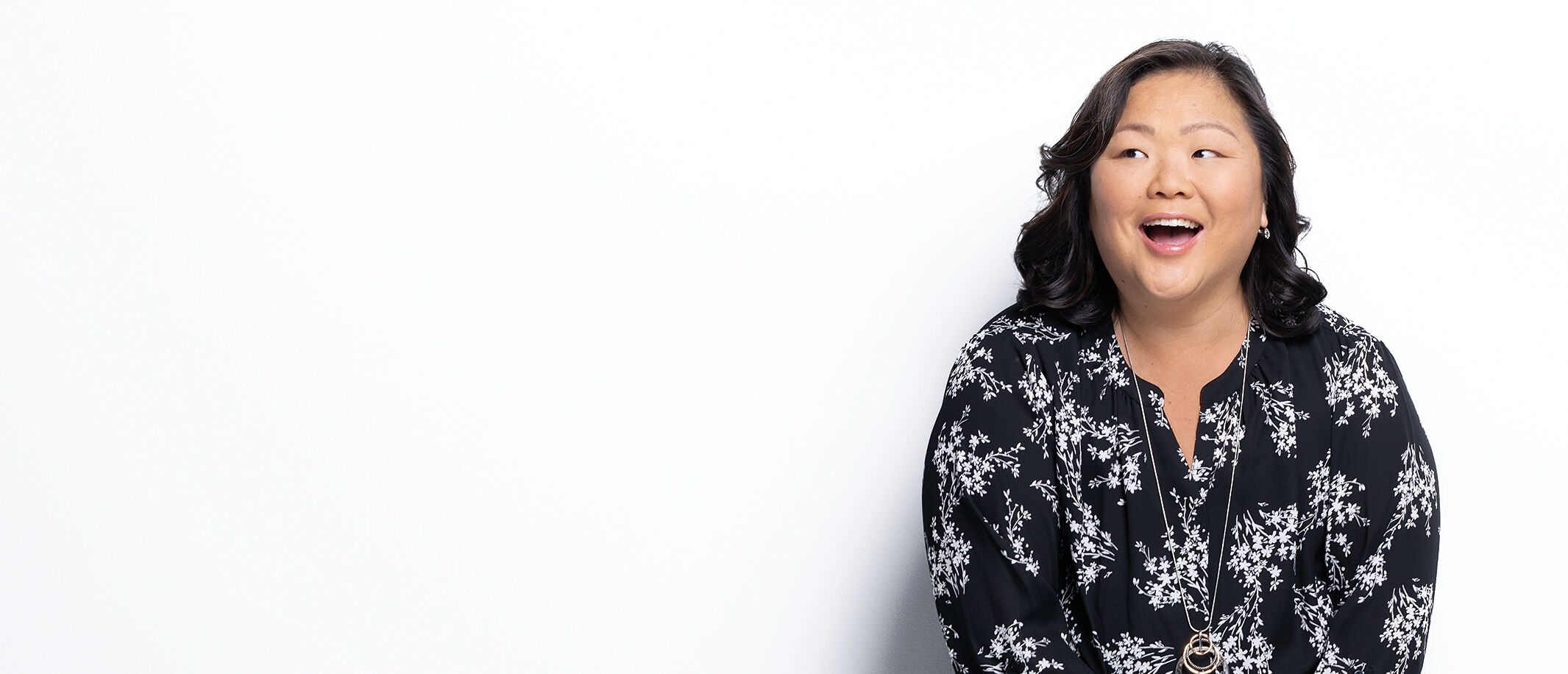
Jaclyn Skalnik has been in the business of belonging long before DEI (diversity, equity and inclusion) was at the top of many employers’ priority lists.
Since July, the St. Norbert College grad has been serving as the corporate director of diversity, equity and inclusion for The Boldt Company, leading DEI initiatives for the construction firm’s over 3,000 employees at 18 offices nationwide. While new to the construction industry, Skalnik has two decades of experience in the DEI space, including time as an independent consultant to private and public organizations globally.
Insight: You’re pretty new in your role at Boldt. Can you tell me about your career path that led you here?
Jaclyn Skalnik: I’m actually brand new to the construction industry as a whole, so the last five months have been a lot of learning for me. It’s almost like a new language in this industry. My primary role here is to assess the culture and come up with a plan for moving Boldt forward as we think about workplace wellness, inclusion and belonging. For the last 20 years of my career, I have been in the social work, community development, and mental and behavioral health space. That translates into the work I’m doing here from a DEI perspective, because what we’re talking about is humanity, human rights and leveling the playing ground — [creating] equity and equitable opportunities for everyone to be successful, particularly in the construction industry, which is a pretty white male dominated space. So now being in this place where I can take my background and really connect it to the construction industry makes so much sense.
How do you build trust with employees as you introduce new DEI initiatives?
I think there’s two ways to approach any change — we can either do it or we can prepare and then do it. And I think when we’re talking about something as big as DEI, it’s really important to do the preparation first. DEI is not a human resources initiative. This is a culture shift that will be here forever. A huge part of trust and relationship-building is communicating the why of DEI — what is it, why are we doing it and how does this impact you, me, our kids and our communities. That trust piece is the most important piece of any relationship. And so my role here is building relationships with each of our employees and definitely with our executive team, because they need to be 100% behind this in order for it to really be something that’s moved forward. Any time we talk about introducing anything that’s different, or a term like “equity,” people think that means they’re going to lose something. And so when I get responses like that, it just helps inform me how I can do a better job communicating with the right information to help people understand what we’re doing and why we’re doing it. We’re not bulldozing people. We’re really focusing on creating a workplace where everybody can feel like they belong, where they can feel emotionally and psychologically safe, and be courageous.
What are your top priorities as you get started?
I’m a visual person, so I like to explain that I have these three buckets that are my three priorities. I’m calling this my 2023 DEI mapping. First is for me to build trust within Boldt. I’m visiting all of our job sites and office sites across the country, because a lot of people don’t know me yet. The plan is for me to hit all of our sites by the end of 2023. That first part is about identifying and auditing where we’re at as a company, which also includes training and providing information for our existing Boldt folks to understand the “why” and really look at our internal systems.
The second bucket is looking at the supplier diversity of our partners so that we are connecting deliberately with small businesses, women-owned and minority-owned businesses, disabled veterans, and we are making those connections to help support folks who wouldn’t otherwise have been represented or invited to be at this table.
The third bucket is the big picture and looks at workforce development and community outreach. I’m partnering with our workforce development director, who is in charge of our youth apprentice program, and also really looking to focus on high school students or folks who are considering construction. Again, that’s spreading information and education to make this a possibility for underrepresented groups who haven’t been [included] in the past. As we’re looking at our workforce in the next 10 to 20 years, we’re talking about age and generational differences which are huge in our industry. It’s almost like a passing of the torch, and when we’re passing that torch to someone who’s different from you, that takes a lot of learning and trust.
Is there anything that has really surprised you about the construction industry?
I’ve grown this new love for construction. I used to drive by a building and not think twice about it. But now seeing everything that goes into it, the collaboration between companies and industries…I’ve been surprised that I have fallen in love with it so quickly. But what’s been really touching to me is Boldt is building spaces. We’re working in Milwaukee at the Children’s Hospital, so we’re not just putting up a building — we’re putting up a building that’s going to support thousands of sick kids, families, nurses and doctors. What’s been most surprising to me is the impact that construction has, and it’s become this new goal of mine to let other people outside of the construction industry know about it, because it’s like the best kept secret.
Are you someone who makes New Year’s resolutions?
I have never been a New Year’s resolution person. But I do recognize that for a lot of people it can be a fresh start. So for me, moving into 2023 with our Boldt DEI initiatives, I’m excited about rolling that out. But I’m most excited about a year from now measuring where we’re at, because I’m really feeling optimistic about the direction that we want — and need — to go in.