
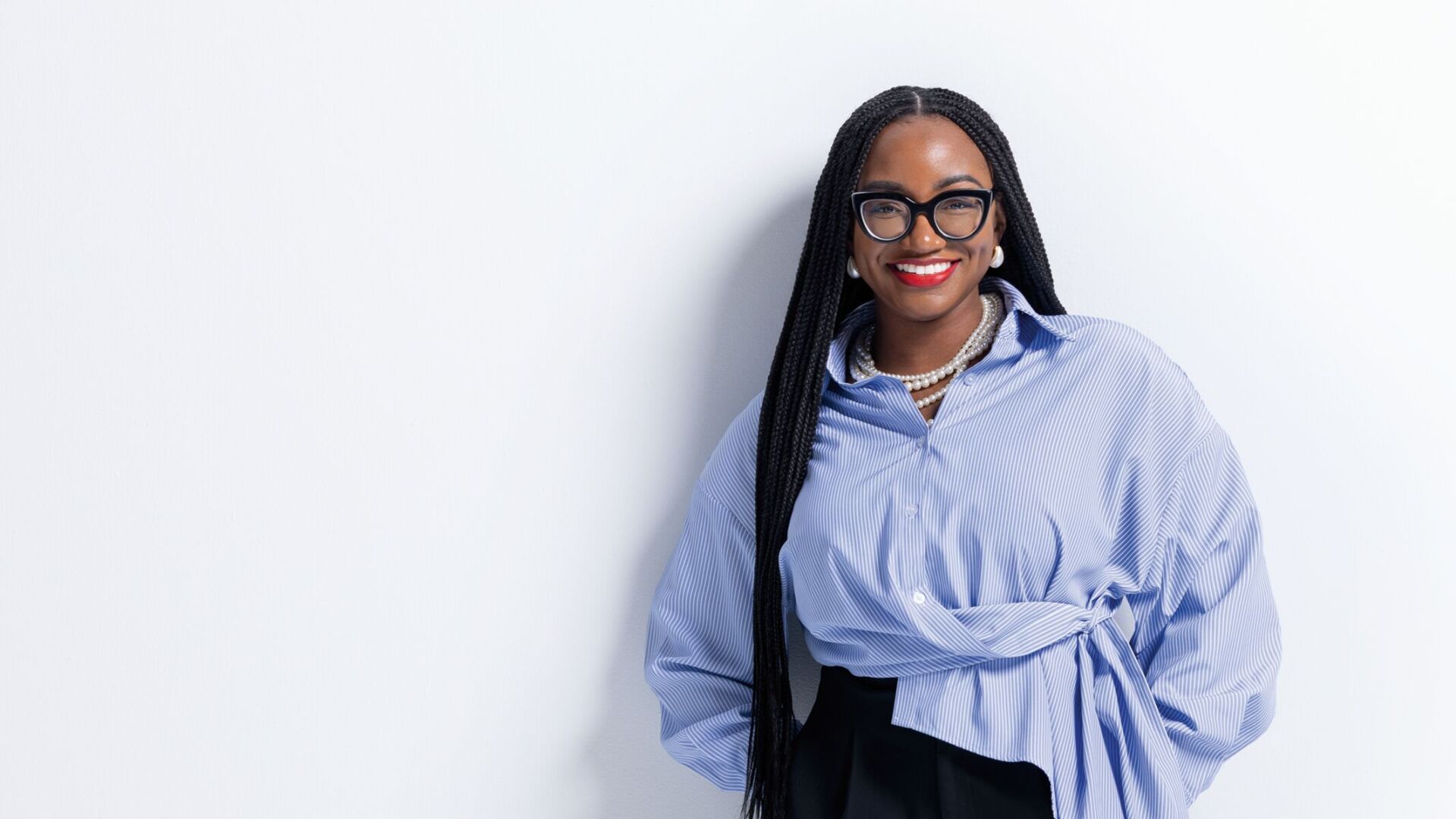

Charm Der exudes passion for organizational culture design, community building and creating diverse, equitable and inclusive workplaces.
With experience spanning industries from manufacturing to health care, the Detroit native recently stepped into a new role as vice president of human resources at Family Services of Northeast Wisconsin, which served more than 30,000 individuals in the region last year.
Der sat down with Insight to share thoughts on humanity-minded workplaces, priorities in her new position and the transactional-to-strategic HR shift.
Insight: Have there been significant moments in your career that have influenced your approach to human resources management today?
Der: While I was in college, I did an internship at a law firm where I was able to learn more about human resources, community development and also about the inequities that existed and how I could be a part of that change. I started working at an independent pharmacy group with more than 25 locations in Michigan and southern Ohio. We developed cultural responsiveness training, which at the time was called cultural competency training. There was nothing like it, and it really developed out of the needs of the pharmacy owners who had different cultural backgrounds and saw the inequities when they entered health care spaces given their professional backgrounds. Fast forward to today, and it’s a requirement in the state of Michigan for pharmacists to do cultural competency training for their licenses. I’d like to say that we were a part of that type of change. That was extremely significant for me. Next I really sought out the opportunity to develop my skill set in organizational development, and at the time I worked with global teams in the U.K., Netherlands and China. When I think back to my Netherlands team, that was the first time I had heard the term “work-life-social harmony.” In the U.S. you often hear “work-life balance,” but in the Netherlands, you should be making time for community. Even adding that word into the phrasing was something unique for me to learn. It really helped to shift my perspective of being humanity-minded.
Can you explain further what you mean by being “humanity‑minded?”
I came to this conclusion around humanity-mindedness because a lot of times we think about connecting with people who are like-minded. But if we only connect with people who are like-minded we can end up in this vacuum, because we’re thinking the same and we’re valuing the same things. Something can still be learned from someone if you don’t share every single value. Humanity-mindedness is this idea that you value humanity, you see the humanity in people and you want the best for everyone — and that includes equity. Certain groups face more challenges than others because of social hierarchies — for example, the way that workplaces were designed without the disability community in mind. We have buildings that weren’t designed with access ramps. We still have organizations across the country that don’t have existing technology in place that’s made for an individual with a disability to come into the workplace and immediately start working. This concept is thinking about our workplaces from this humanity-minded perspective where we value all and this universal design perspective where we’re designing our workplaces, our policies, our procedures, our processes to account for that. We’re at such an inflection point in history, when you think of how there’s been a shift from HR teams to go from technical and really transactional to being more strategic in connecting businesses with people strategy.
What drew you to your role with Family Services of Northeast Wisconsin, and what are your priorities as you get started?
I’m truly honored at the opportunity to be in this role because the work that family services has done has existed for over 100 years. They’ve really been a staple in Northeast Wisconsin, and now throughout the state, in providing resources for victims and providing education opportunities around trauma-informed care. In my role, a couple of my priorities are to partner with the executive leadership team and better understand their programs. We have over 20 programs in the organization … having that opportunity to partner with them and better understand what their needs are from a people perspective, whether that’s recruitment, retention or development. We’re also working on digital transformation. That is going to be extremely significant for the organization. We are developing a [DEIBA] committee and making sure that we create opportunities for people in all areas of our organization to thrive, which spills into how we care for our clients.
You wrote a children’s book, “My Happiness Counts,” that was released in 2021. You are also a board member of Schreiber Foods Institute for Women’s Leadership and involved with Delta Sigma Theta Sorority, Inc. How do your extracurriculars impact your work?
I am in a unique position where work that I find personally energizing and important is also a part of my career. It makes me think of this quote by Alison Walker, who says, “Activism is my rent for living on the planet.” That’s really how I feel about the work that I get to do at Family Services and in the community. One thing that makes me really happy is sharing my gifts with the world, because my mom used to say, “Your gifts are not your own.” I’m involved in so many projects from work to community activism to writing this book, but it’s really about being intentional about my ripple — this idea that what I do impacts those around me and I want it to be a good impact.

