

Kristen Shields chuckles when she says she’s never actually been on an incentive travel trip as an attendee, “but I’ve planned several.”
The Fox World Travel sales director of meetings and incentives says that incentive travel, often rewarded for individual employee achievement of financial or year‑long goals, is different than it used to be thanks to the growing influence of Gen Z and millennial employees.
“A younger audience values experiences, but they all have high expectations of employers for sustainability and social impact,” she says.
For example, Shields points to Deloitte’s 2024 Gen Z and Millennial Survey that says 54% of Gen Zers and 48% of millennials are putting pressure on employers to act on climate change.
And recent research from Columbia Business School shows movement of a similar kind in employee retention. Activities that drive positive societal change can drive greater retention.
What does all this have to do with incentive travel? Lots, it turns out. Such trips focus on a company’s Corporate Social Responsibility (CSR) and Environmental, Social and Governance (ESG) goals and support local communities and nonprofits, conservation efforts, working with local suppliers or general volunteer opportunities.
Liz Hawkins, director of marketing and communications for Virginia‑based R.W. Murray Co., a Fox World Travel customer, says the general building contractor has offered incentive travel for about 25 years. It’s company wide, so anyone from a project manager to a marketing and communications manager like Hawkins is eligible.
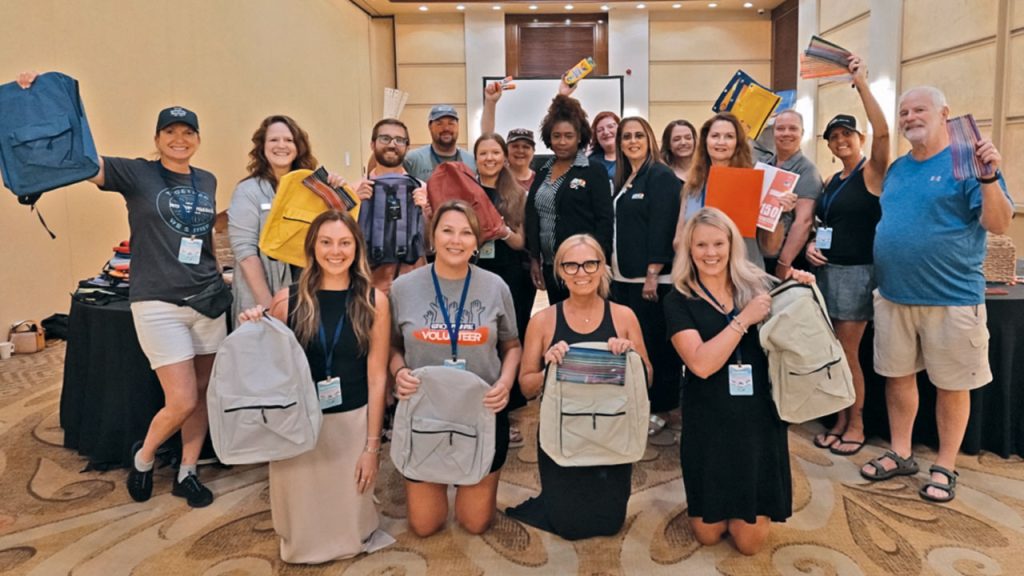
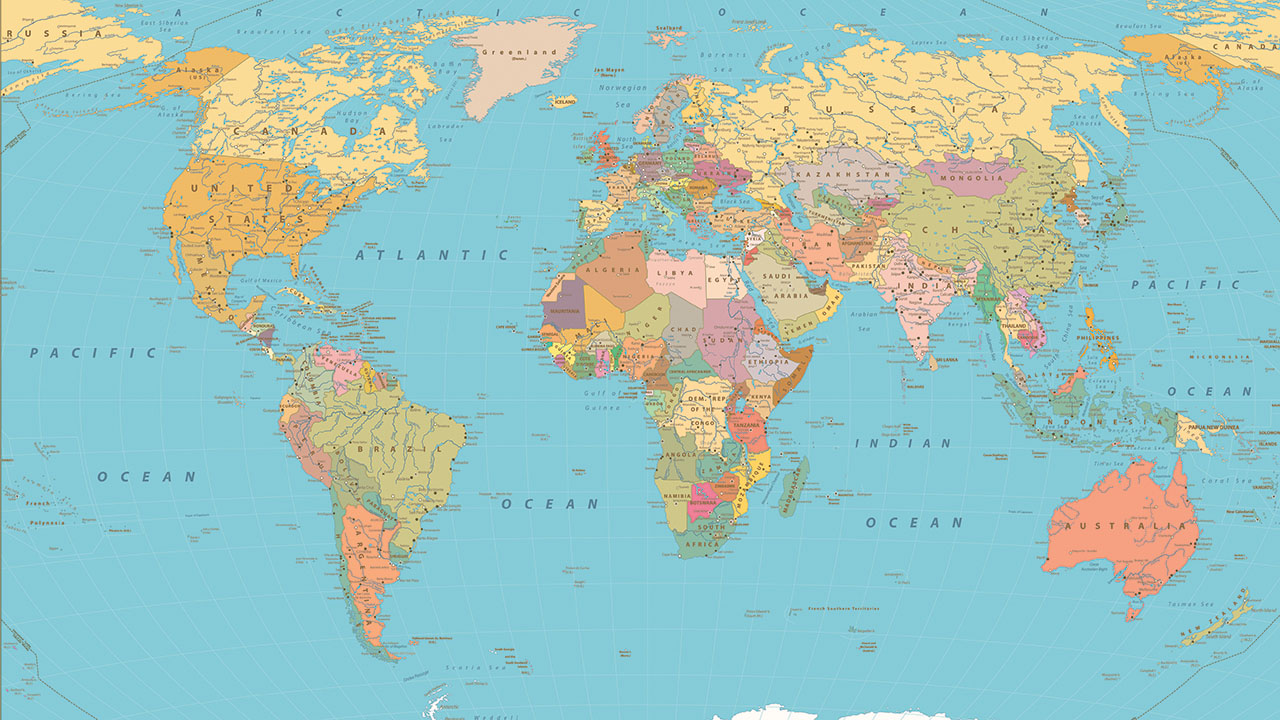
“Incentive travel doesn’t have to be viewed simply as a reward or luxury,” Hawkins says. “It’s another way to build relationships with each other and make that positive impact at the same time … ‘We left it better than we found it. We left a positive impact. We didn’t take a vacation; we did something meaningful together.’”Hawkins and R.W. Murray recently participated in the Fox Incentive Experience Preview in Curacao, off the coast of Venezuela. There, she helped assemble more than 200 backpacks for underserved children.
“That makes a really beautiful story,” she says. “You can do excursions and [be] out and about, but when you have that opportunity, you know what a big impact you have.
“It really left you with a feeling like, ‘I didn’t just come here and vacation, but I have a [sense of] belonging.’”
The Society for Incentive Travel Excellence (SITE) defines incentive travel as “a performance enhancement tool used to inspire outstanding workplace behaviors against clearly defined goals. It’s a key part of the reward and recognition programs that organizations offer to motivate, incentivize and inspire outstanding performance amongst their workforces.” Up to 25% of Fox World Travel’s meetings and incentives clients offer incentive trips.
Shields says that “incentive travel is a really well‑established component of corporate recognition.” Awardees could range from a small group of high performers to hundreds, depending on the company, typically relevant to “particular industries, [like] insurance, financial and medical.”
An incentive trip usually involves multiple employees and their families. For those who are single, there is often the option for a plus‑one.
Incentive travel is also a public relations opportunity for the company, but Shields is adamant that that’s not the point. There’s a lot more to it from the CSR and ESG standpoints.
In other words, show, don’t tell. In fact, show through participation, which strengthens employee engagement, culture and retention — especially for the Gen Z and millennial audiences.
“For me, the strongest stories demonstrate that a company has values and supports what it does,” Shields says. “PR would be the result of an action. It can make the value tangible. It’s not just a company telling employees they care about CSR or ESG. Design it so qualifiers can experience that as well.”