

The clock is ticking for synthetic refrigerants. With new regulations set to take effect Jan. 1, 2026, I’ve been having many conversations with companies across the food and beverage industry — bars, restaurants, hotels, food retailers, convenience stores and food processing facilities—about what comes next.
Since the 1920s and ‘30s, synthetic refrigerants have been the industry standard because they’re affordable and easy to use. But as we now know, they come with a significant environmental cost.
By insulating the atmosphere, synthetics contribute to pollution, making them a “dirty chemical.” Their high global warming potential (GWP) contributes to climate change, and regulatory bodies are phasing them out. That leaves many businesses wondering: What’s the best path forward?
The case for natural refrigerants
As someone who started exploring natural solutions 25 years ago, I can tell you that natural refrigerants — particularly carbon dioxide (CO2) and ammonia—are a clear choice. Unlike synthetic refrigerants, which can have a GWP as high as 3,900, CO2 has a GWP of just 1, while ammonia sits at zero. This drastic reduction in environmental impact makes a compelling case for switching. Europe adopted natural refrigerants a long time ago. But beyond sustainability, there’s also a strong financial argument.
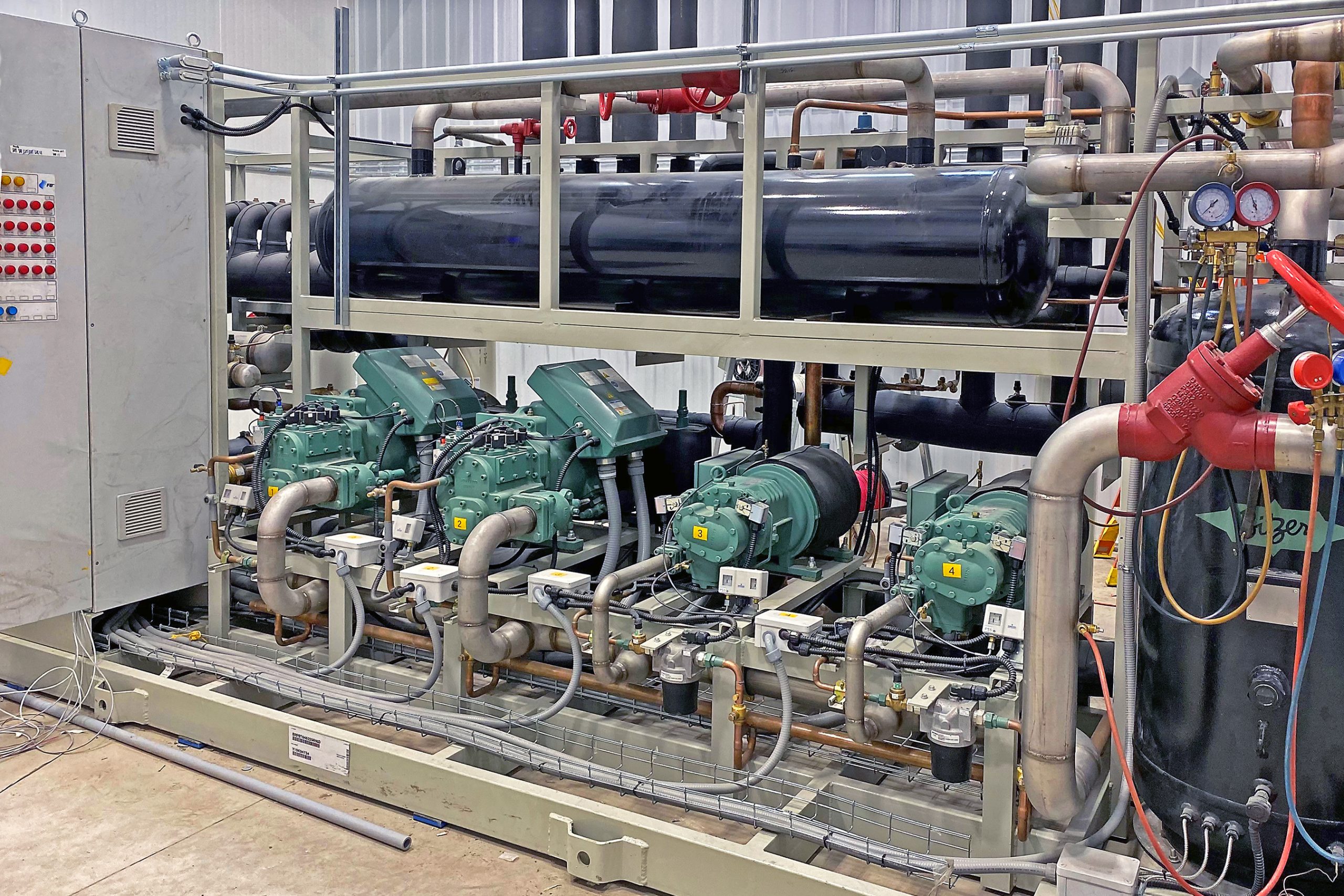
When properly designed, refrigeration systems using CO2 or ammonia can reduce operating costs by 30 to 40%. That’s a great return on investment. In addition, businesses can avoid the financial burden of future regulatory penalties by making the switch sooner rather than later.
Easing uncertainty
Of course, I understand the concerns. Business owners and facility managers have questions about installation, safety, flammability and reliability. But the shift to natural refrigerants is happening, and some larger companies are already leading the charge by setting sustainability goals that align with these changes.
I’ve had the privilege of working with businesses that want to do the right thing. They understand that while the upfront investment may be higher, the long-term savings in energy efficiency and maintenance can be substantial. Plus, Wisconsin’s Focus on Energy program and other rebate opportunities can help offset initial costs—as long as businesses act before purchase orders are issued.
The smart move
For me, this is more than just a professional mission. I’m a conservationist at heart. I believe there is no good reason to pollute. I spend as much time as I can outdoors, and I volunteer with organizations focused on ecology and responsible wildlife management. This passion extends to my work, where I help businesses transition to greener refrigeration solutions.
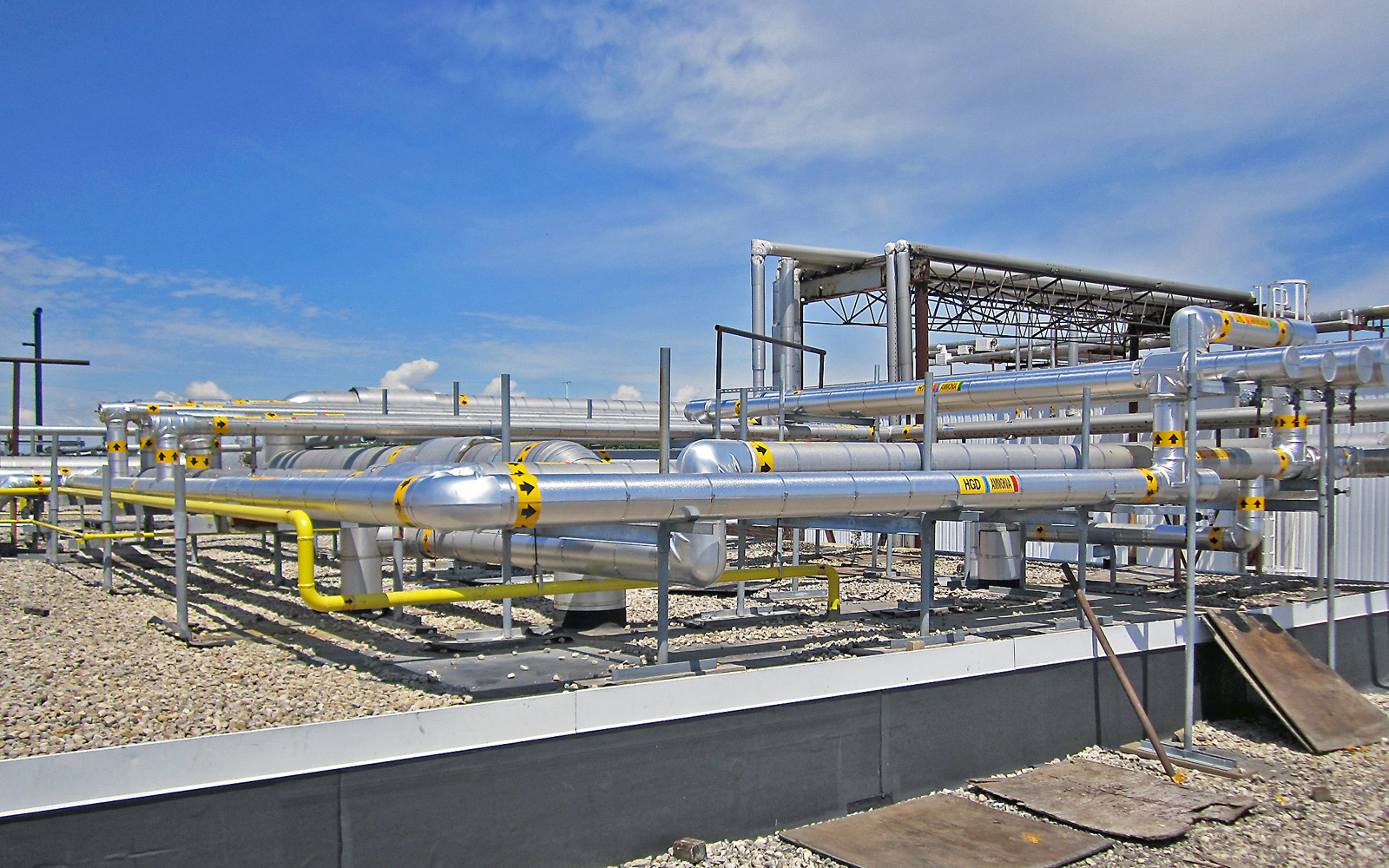
I often meet business owners who are skeptical of anything labeled a “green initiative.” When that happens, I shift the focus to another type of green—money. I show them the data on what a switch to natural solutions can do for their bottom line. It’s hard to argue with those numbers.
As the deadline for synthetic refrigerants approaches, businesses have a choice: wait for a pressing need to make the switch or take a proactive approach. Those who start planning now will have access to the best solutions, financial incentives and a competitive advantage in sustainability. The future of industrial refrigeration is here, and I’m excited to help businesses navigate the transition.

The views and opinions expressed in this article are those of the author and do not necessarily reflect the official policy or position of Insight Publications, a division of Woodward Communications, Inc.