

Increasing regulation and competition, along with rising costs, have created a perfect storm for health care systems to join forces.
The past couple of years saw Bellin Health of Green Bay and Gundersen Health System of La Crosse, as well as Appleton’s ThedaCare and Froedtert & the Medical College of Wisconsin health system of Milwaukee, combine their resources. Meanwhile, Aurora Health, which has clinics and hospitals throughout the region, completed a merger with Advocate Health Care before that company combined with Atrium Health.
The health care industry overall is seeing more cross-market mergers, says Benjamin Artz, department chair and professor of economics and the professional MBA program at the University of Wisconsin Oshkosh.
“When there are mergers within industries, there are always concerns. But in these cases it’s not a product being made; it’s a service being offered in two distinct markets. It’s not like when you make a product and you can consolidate everything in a single location,” he says.
Artz says while health care is a service being offered, there are still opportunities for consolidation. For example, if a rare medical procedure is being done in both Appleton and Milwaukee, it is possible that the procedure could be offered just in Milwaukee.
“The health care industry is seeing mergers between rural and more urban systems, and in these cases there’s more consolidation happening, but it helps those living in rural areas since they now at least have some access to care that they didn’t have before — although they need to travel a bit to get it,” he says.
A cross-state match
Bellin and Gundersen spent the first year of their merged health care system focusing on back-office savings and getting to know one another. The two systems finalized their merger in December 2022.
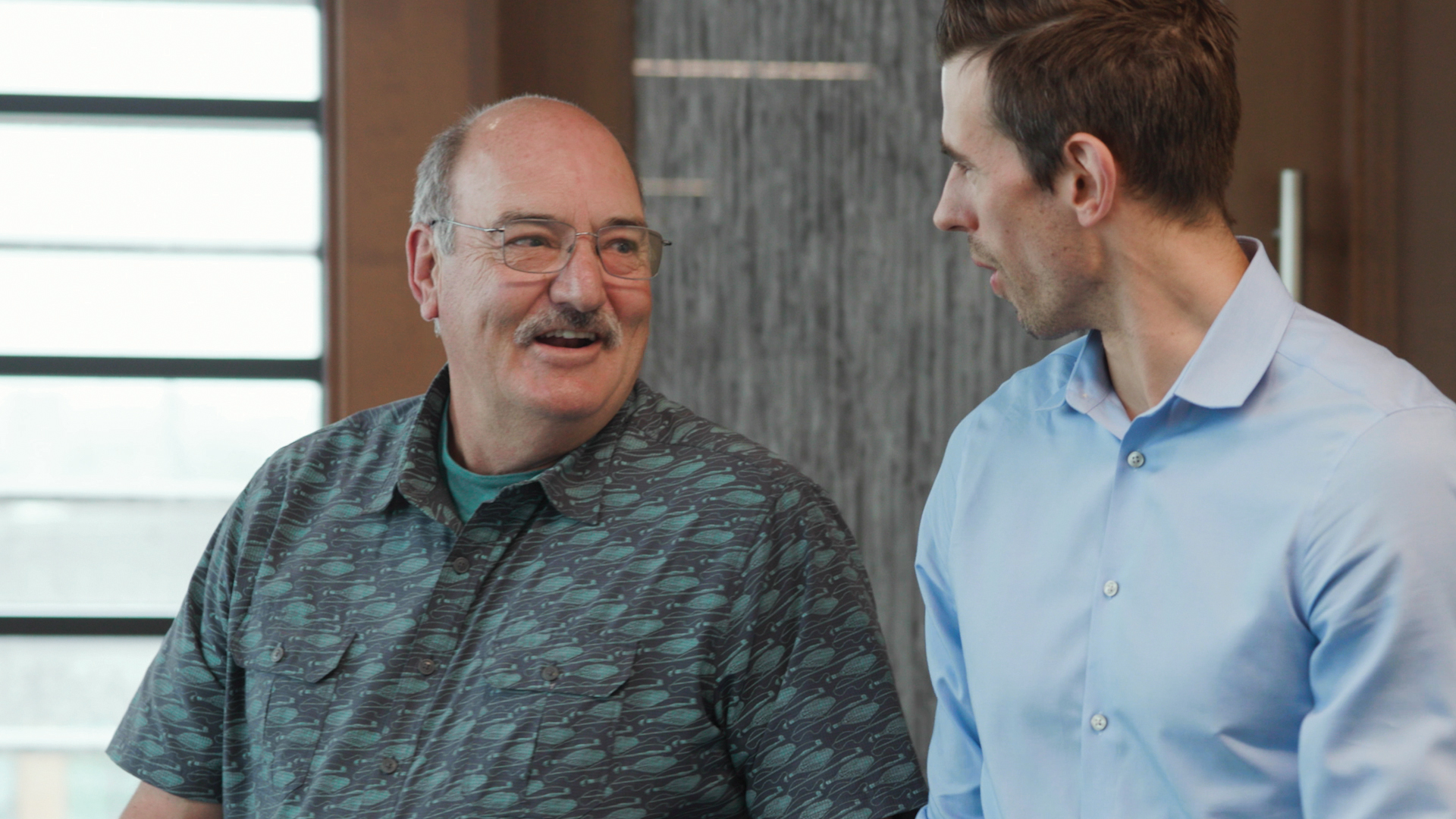
“We looked at where we could achieve economies of scale and get better pricing” on supplies, says Chris Woleske, the system’s executive vice president and regional president of the Bellin Region who previously was CEO of Bellin. “As the merger was finalized, we told our clinicians to stay focused on providing the best possible care to their patients.”
Consolidation in back-office functions is the main reason health care providers look to merge, Artz says.
“As time goes on, health care faces more regulation and the overhead departments get bigger and it becomes more expensive to comply with the additional rules,” he says. “Saving money in these areas becomes a driving force in a merger.”
Dr. Scott Rathgarder, who serves as CEO of the new organization and previously led Gundersen, says Gundersen was looking to the future and long‑term stability when it approached Bellin about merging. He says the system had been in talks related to another merger, but those broke down.
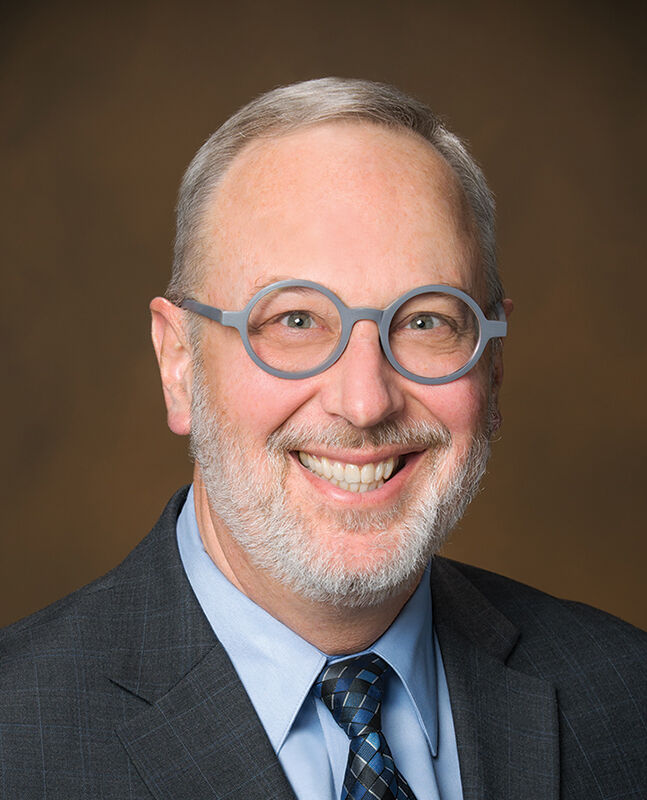
“That experience showed us what we wanted from a merger and who we wanted to partner with. For us, it was a long-term play. We wanted to merge with someone who would make us stronger,” he says. “I knew Chris and Bellin and thought it would be a good fit and I was right. This has been a merger of equals. We have two strong systems, and together we are even stronger.”
Gundersen and Bellin sit on opposite sides of Wisconsin, so there is no overlap in services. Woleske says clinicians from Bellin and Gundersen are being connected so they can share best practices and get to know each other.
“We are looking to find a way to bring our brands together and show we are one enterprise,” she says. “Through the merger, we are building a stronger organization and will become the provider of choice as well as an employer of choice.”
Gundersen and Bellin kept their local foundations separate, allowing each organization to continue its local philanthropy.
“Our commitment to our local communities will continue,” says Rathgarder, who spends two weeks a month in Northeast Wisconsin and two weeks a month in La Crosse.
Joining forces
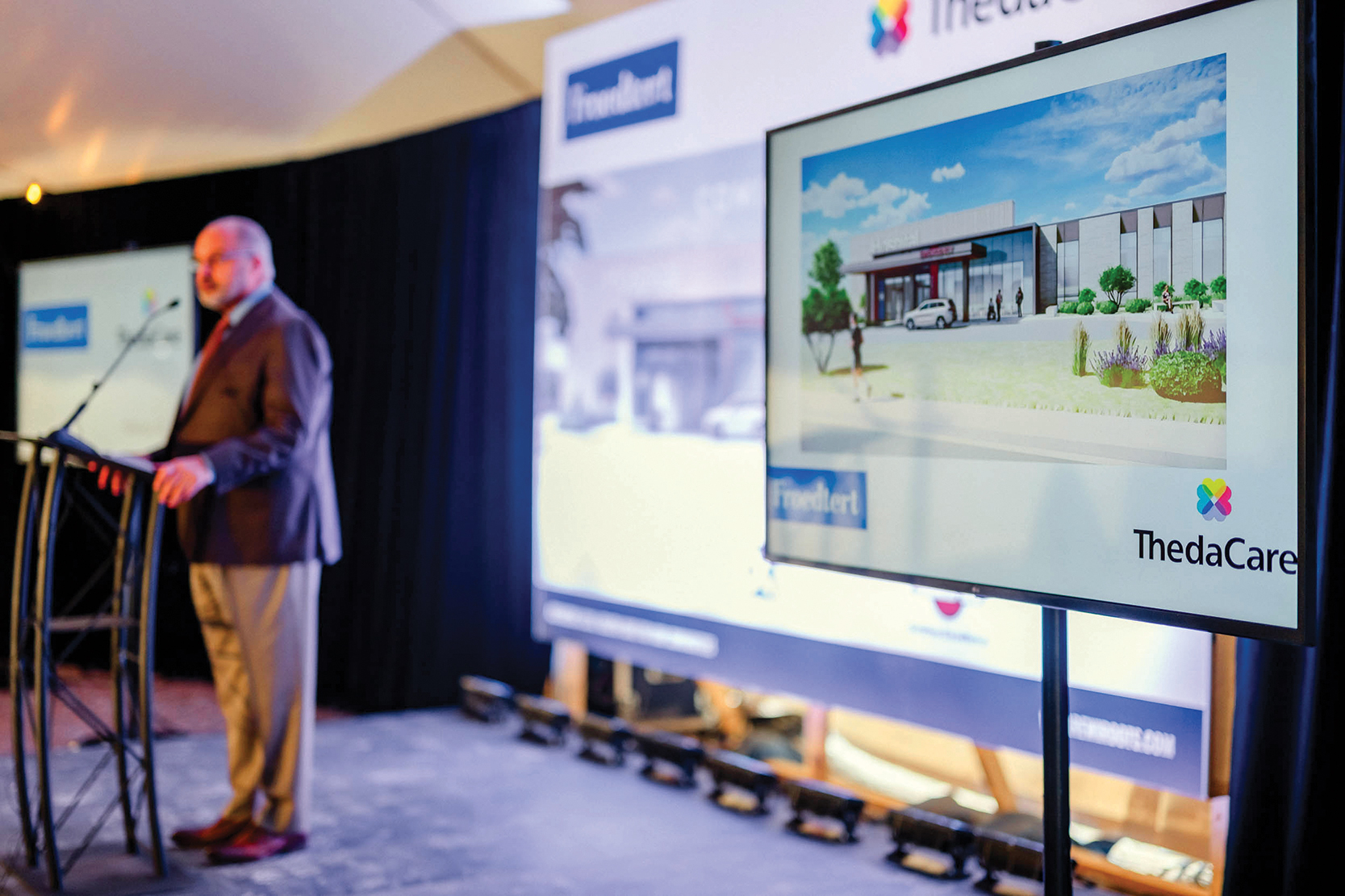
As two long-standing Wisconsin health care providers, ThedaCare and Froedtert were familiar with each other and in 2022 created a partnership to improve access to advanced specialty care and build two new health care campuses: one in Fond du Lac, and the other in Oshkosh. The Fond du Lac hospital broke ground in February.
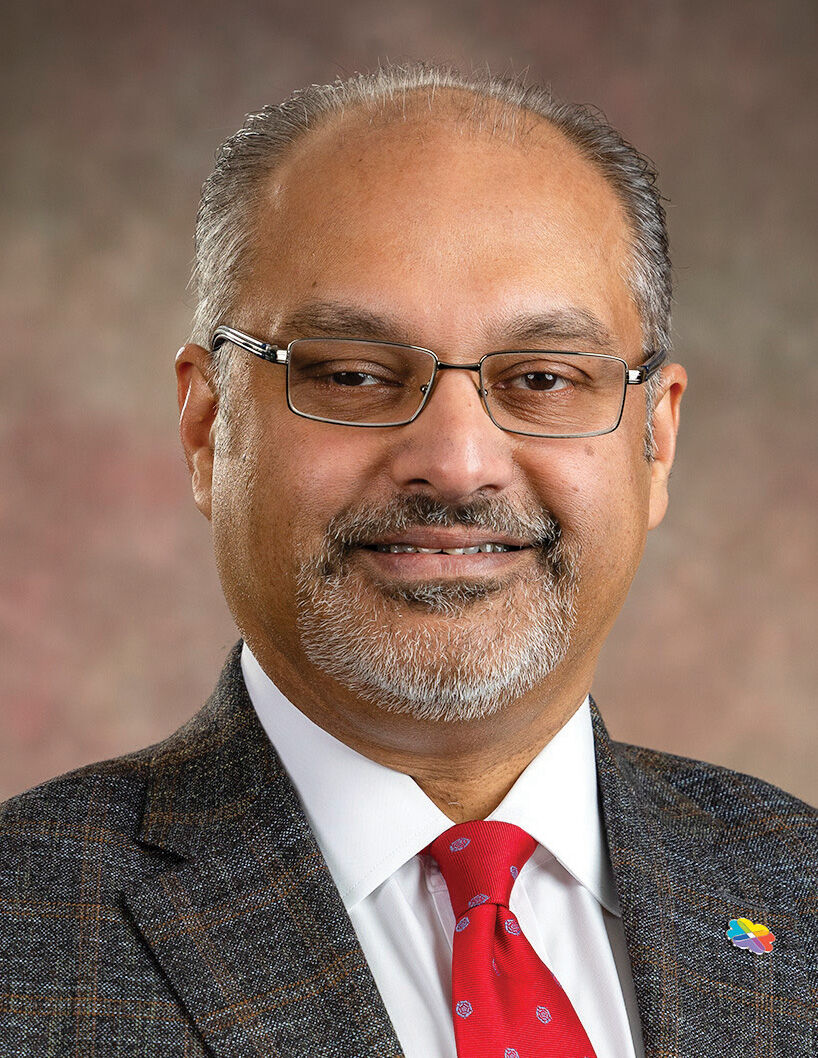
Bringing the two organizations together was the next logical step, says Dr. Imran A. Andrabi, president of Froedtert ThedaCare Health, Inc. The combined entity went into effect Jan. 1.
Andrabi says the new entity “nurtures the investments in and the well-being of our respective communities” while improving health care in eastern Wisconsin.
“Through our combined organization, we want to help the people of Wisconsin live their best lives by providing better and more seamless access to comprehensive, high-quality care when people are sick or injured and serving as a true partner in health to help keep people well,” he says.
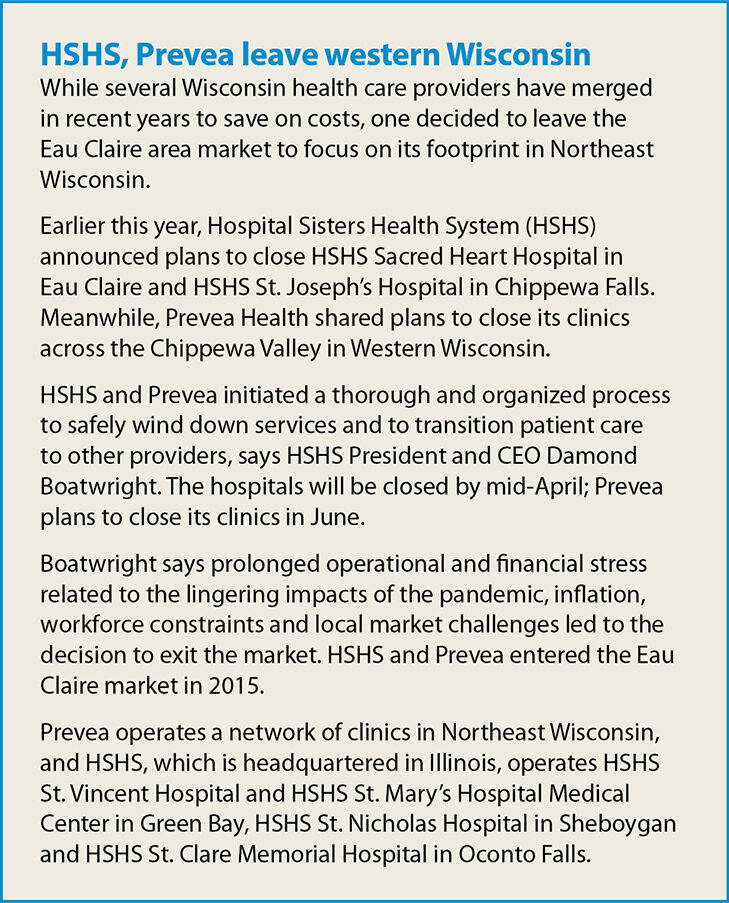
With more than 7,000 employees, ThedaCare is one of the largest employers in Northeast Wisconsin. Andrabi says “it is business as usual.”
“We should all continue to wake up every day and take care of the people in our communities. Having said that, part of business as usual is being able to leverage our organization overall,” he says. “If there are services and specialties available at a higher level of acuity and complexity within our organization, we should leverage that.”
As a nonprofit organization, ThedaCare plans to stay involved in the communities where it operates, Andrabi says. The organization will stay active in improving the health and well-being of area residents through education about health issues, training health care professionals, collaborating on key initiatives addressing unmet needs, providing mental health services and caring for those who cannot afford it, he says.
Andrabi says bringing the organizations together will also help in staff recruitment and retention efforts.
“Our combined system will be attractive to health care providers and caregivers, enhancing our recruitment and retention efforts to ensure the highest quality and readily accessible care for our valued patients,” he says. “We will invest in our current and future workforce in ways that can be strengthened beyond what we can do as independent health systems.”