
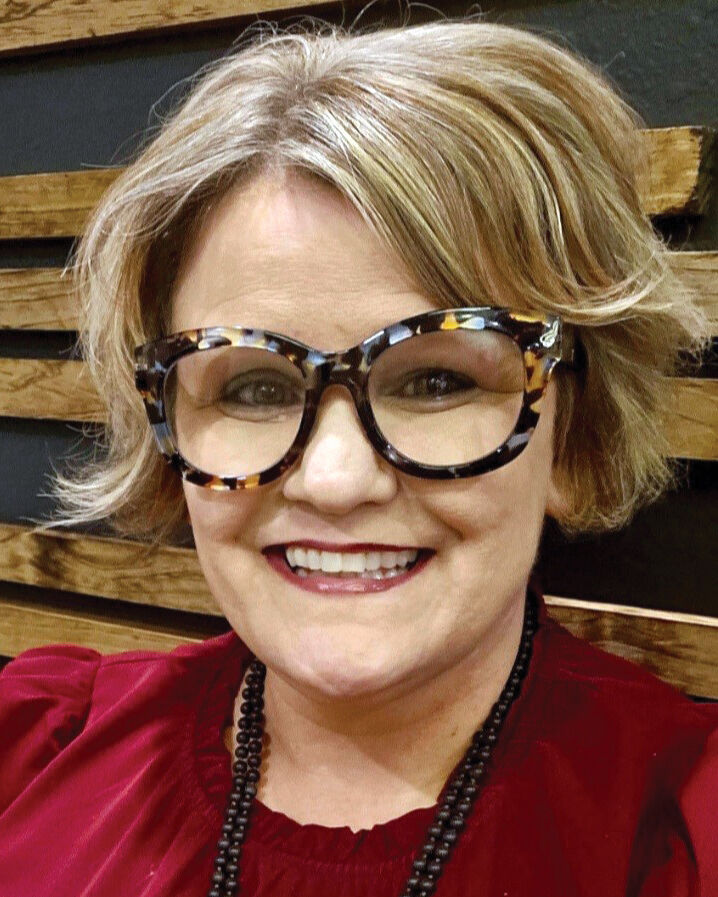

Mindful leadership doesn’t mean meditating in a corner, leadership coach Kim Eschenbauch wants you to know, nor replacing staff meetings with yoga retreats.
“It’s being present, being aware of your internal functioning and your surroundings, and utilizing that as the foundation for any interactions you have,” she says. These techniques have multifold benefits in the workplace, Eschenbauch adds, which is why she brings not only her certification as a Gallup strengths coach to her work at Lakeland Care Plus Consulting, but also her certification as a mindfulness practitioner.
Eschenbauch has been with Lakeland Care for nearly two decades, and in January 2023 the organization launched Lakeland Care Plus Consulting to provide external supports to businesses and nonprofits. In the first year alone, she and colleague Jessica Koch have trained more than 2,000 people in Northeast Wisconsin. Areas of emphasis include building mission, vision and values; strategic planning; leadership training; and strengths-based training — all interwoven with mindfulness.
Services were determined through a root cause analysis of modern organizational needs, Eschenbauch says, most of which boil down to achieving resilience and clarity in a fast-paced world.
“It wasn’t that we decided, ‘Oh, we’re gonna train on mindfulness.’ It was more like, ‘What’s the common thread here?’” she says.
A universal skill
Mindfulness can benefit leaders from all types of organizations, from the solopreneur to the nonprofit to the corporation.
The Arc of Fond du Lac is a nonprofit serving individuals with disabilities in three counties. Its director of programs, Jessica Kimball, says the organization employs around 80 individuals and, like any entity that employs direct care professionals and caregivers, has a high turnover rate. The Arc also employs a large number of entry-level and less experienced professionals. Kimball and her colleague, Training Coordinator Connie Gens, say Eschenbauch’s coaching on how to take a mindful and strengths-based leadership approach has helped with self awareness, empathy and connection within their team — also leading to increased job satisfaction.
“It is really having more of a direction; what should we be pushing people toward?” Gens says. “I think it really has helped us be more connected. I think our team understands each other a little bit more, and we can build on that.”
Jennifer Davis is an Oshkosh-based nurse practitioner who is working toward launching her own business in palliative care. Mindful leadership, she says, is something that was really missing throughout her 23-year health care career in which high turnover has been the norm for both her and her colleagues.
“I want to be a leader that cultivates the mindfulness approach,” Davis says, adding that the coaching has also benefitted her as an entrepreneur. “My thought process was all over the place on that first coaching day,” Davis says. “I walked away feeling much more proactive and really getting down to what do I want, how do I want to impact people.”
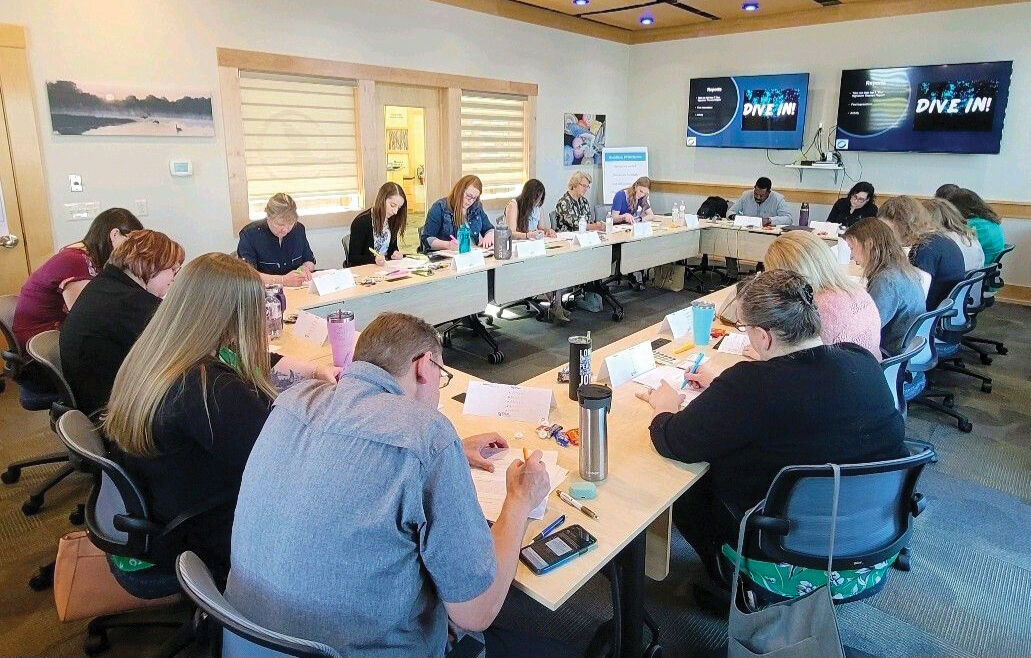
Taking time to make time
For leaders who are stuck on play, Eschenbauch says, making the choice to slow down and be mindful saves time later.
“You’re either being proactive and intentional about interactions, or you’re not and you’re spending the time on a reactive, escalated situation,” she says. “I’ve had people come back later and say, ‘Oh gosh, I wish I would have listened to you six months ago.’”
Eschenbauch defines mindful leadership as paying attention, being aware and being present.
Mindful leadership tactics include single tasking, mindful listening and empathetic listening; their benefits include improved brain function, clarity, attention, emotional regulation and better stress response, Eschenbauch says. She also says that receiving training in mindful leadership can result in improved executive presence, higher confidence and more effective, “big-picture” strategic planning abilities.
“It’s helping people understand that it’s an active investment, and that investment is going to help them navigate the world differently,” she says. “Whereas in the past it would have been like, ‘let’s hurry up and move through, we just need to get something done,’ [now] it’s understanding the journey of how you get there.”