
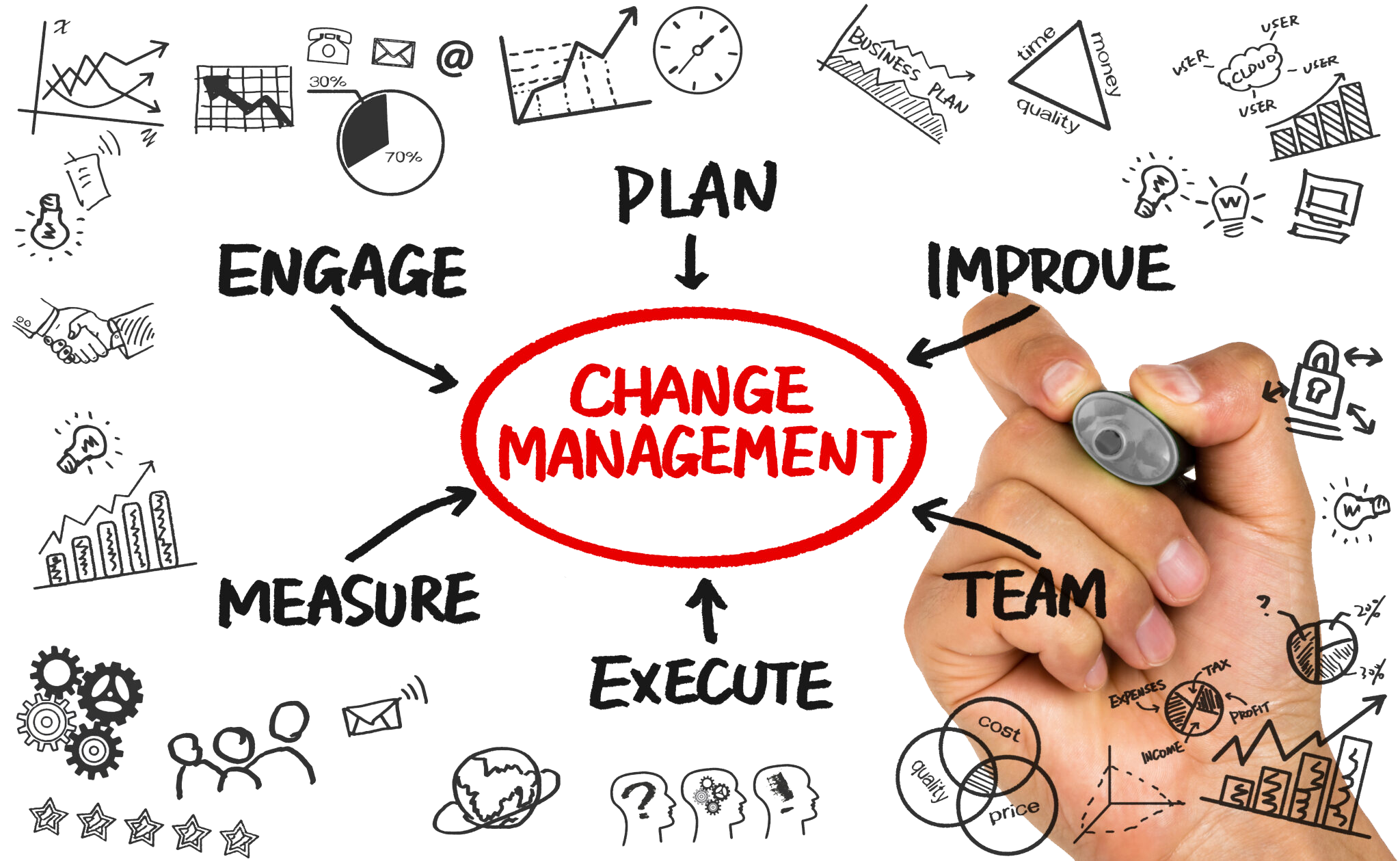
Change is a constant in business, and for business leaders, managing that change can feel like herding cats—challenging, unpredictable, and sometimes a bit chaotic. But with the right mindset and preparation, it can also be a rewarding journey that sparks innovation and growth. Let’s explore three key areas in which you can effectively navigate change management: addressing resistance, ensuring clear communication, and enabling engagement.
Addressing resistance: the elephant in the room
You’ve organized a team outing, and everyone’s invited—except that one teammate who’d rather stay glued to their work than join the fun. Helping individuals overcome resistance to change can feel just as daunting. It’s important to remember that change often unleashes hidden feelings, especially uncertainty and fear.
One proven method is to hold listening sessions with your team members to understand how they feel about the change. Are they worried about job security? Do they feel unprepared for new changes? You can address their issues head-on by listening in 1:1 or small group settings, turning skepticism into support. A little empathy goes a long way—no one likes being thrown into the deep end without a life jacket!
Clear communication: the key to clarity
Once you’ve acknowledged the resistance, it’s time for two-way dialogue. Think of communication as setting the scene for your team outing. You wouldn’t just send out a vague invitation, right? Clear communication is essential for explaining why change is needed and the benefits for individuals and your business.
Aim to be transparent openly and frequently. This means holding group meetings, sending newsletters, or creating fun video updates. Your goal is to paint a realistic picture of the change and how it will impact them. The more they feel informed and included, the more likely they’ll trust you and accept the new ways of working.
Fostering engagement: everyone’s invited!
Finally, fostering engagement is like ensuring everyone feels they are part of the team outing. Employees involved in the change process feel a sense of ownership and investment and tend to become advocates for the change. Achieve this through collaborative group forums, brainstorming meetings, or feedback sessions.
Encourage your team to get involved by sharing their ideas, concerns, and experiences. After all, who knows the business better than those who work in it every day? By encouraging involvement, you can tailor changes to better suit everyone’s needs, making the change smoother and more effective.
Conclusion: a recipe for success
Effective change management involves addressing resistance, ensuring clear communication, and fostering engagement. By prioritizing these aspects, you can turn the daunting task of change into an exciting opportunity for growth and innovation. So, as you gear up for your next organizational change, remember that with a bit of understanding, a clear message, and an engaged team, you can transform that change into a celebration—one where everyone feels valued at the team outing.

The views and opinions expressed in this article are those of the author and do not necessarily reflect the official policy or position of Insight Publications, a division of Woodward Communications, Inc.