



Rapid shifts in the workforce and increasing hybrid and remote work opportunities are transforming rural communities in Wisconsin.
The result is a shift in how communities can and should invest in economic development efforts, with a focus on new business creation and livability potentially producing the best results.
Those were some of the takeaways from the annual Rural Economic Summit hosted by the University of Wisconsin Extension March 28.
Karl Martin, director of the University of Wisconsin-Madison Division of Extension, said the biggest challenges for Wisconsin’s rural counties are a need for health care professionals, a scarcity of affordable housing, the need for broadband access and a shortage of labor.
He said the UW Extension is trying to address those challenges in a variety of ways, but emphasized that “new business formation is critical to rural economic development.”
That point was reiterated by Steve Deller from the UWEX Department of Ag and Applied Economics.
“The engine for economic development from a jobs perspective is new business formation,” Deller said.
That should be taken into account when communities think about economic development. Deller said business development and livability initiatives should be prioritized over business attraction to produce better results.
Rural population stagnated after the 2008 recession but has since recovered. Deller said that is significant because rural job growth has not, and economists are seeing evidence that jobs follow population growth and not the other way around.
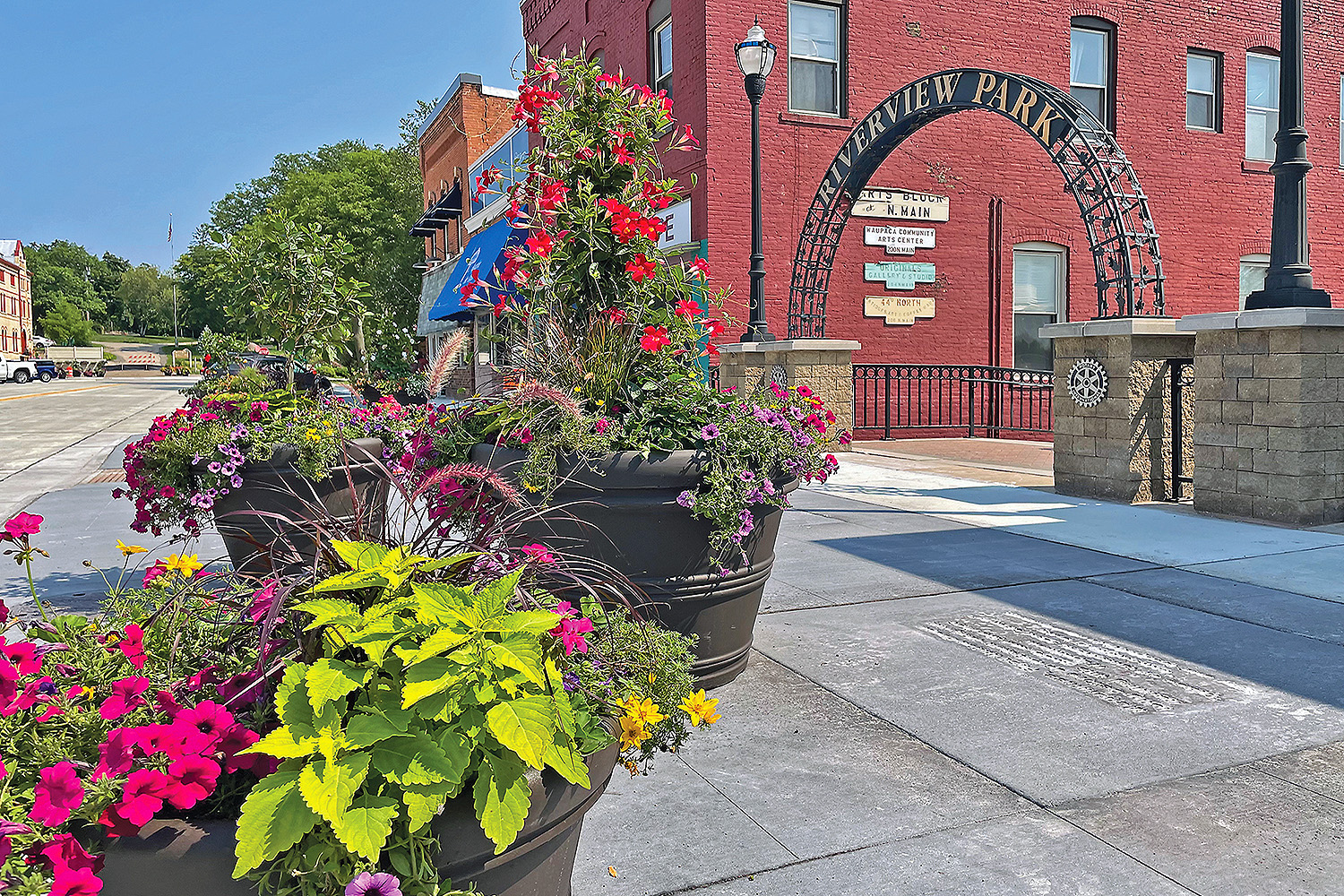
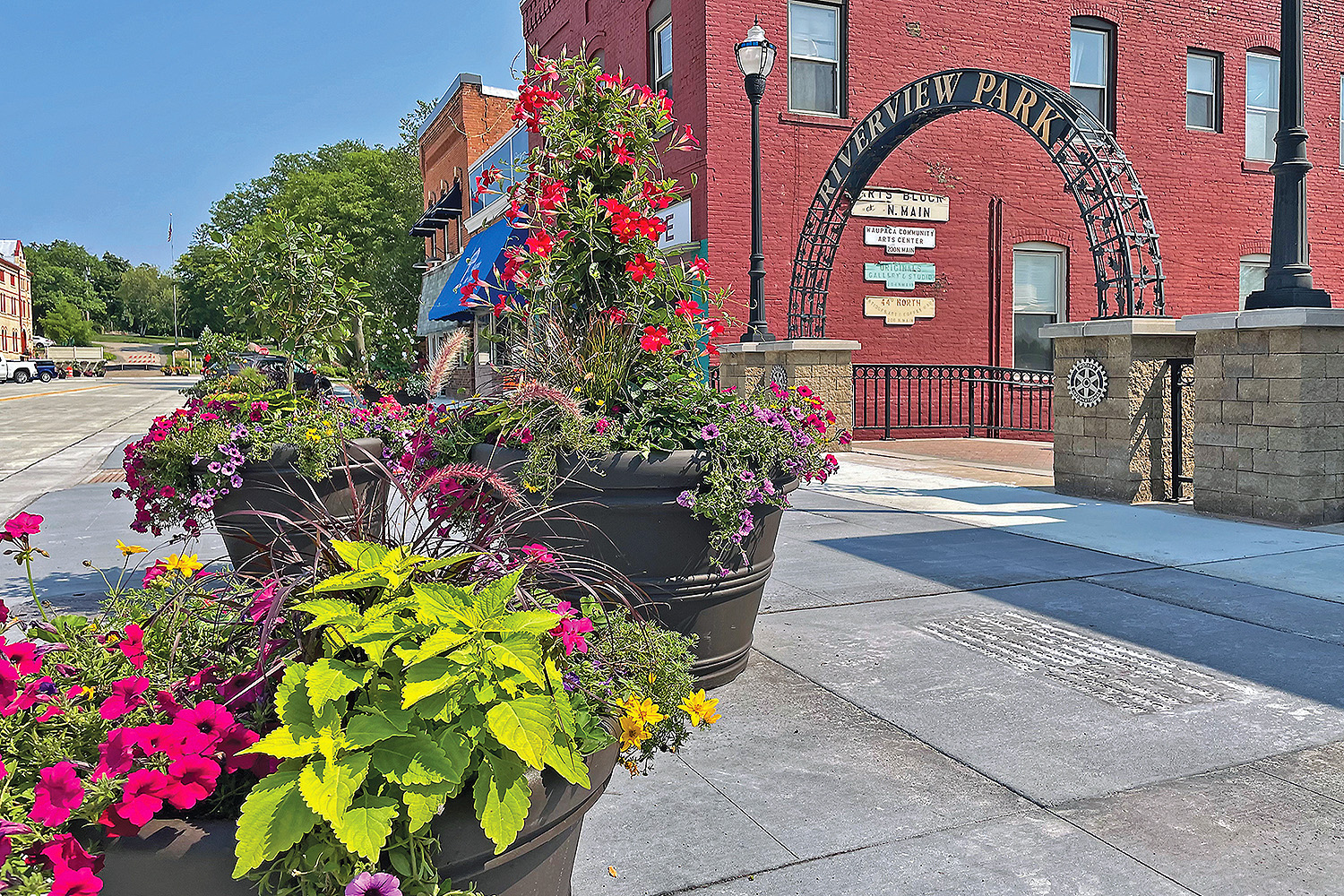
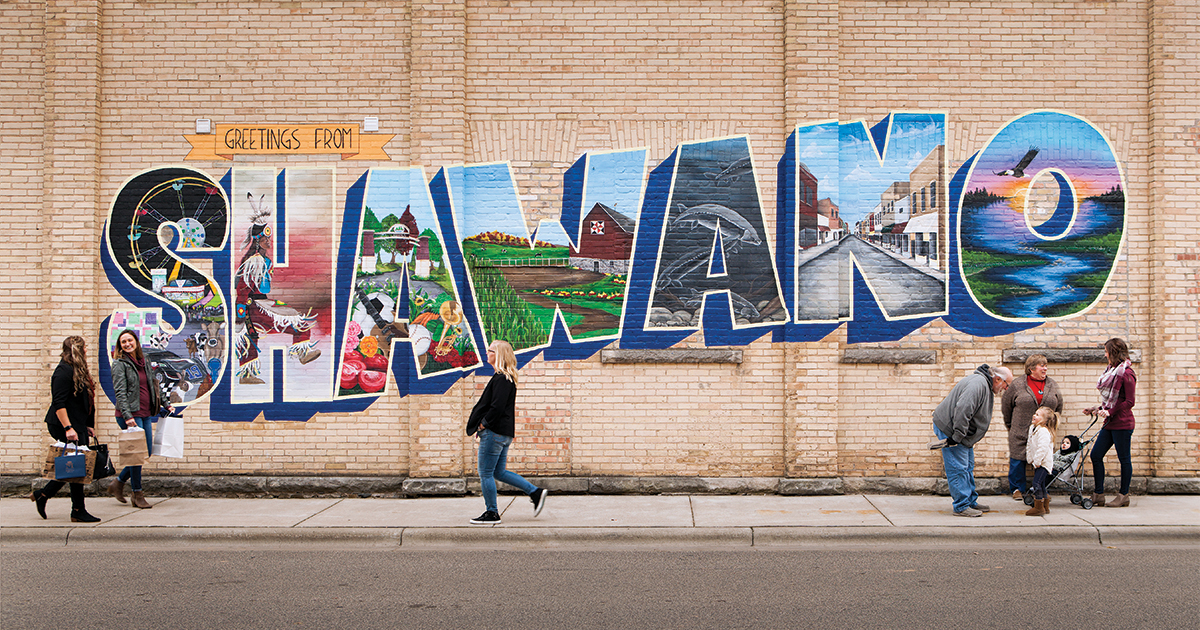
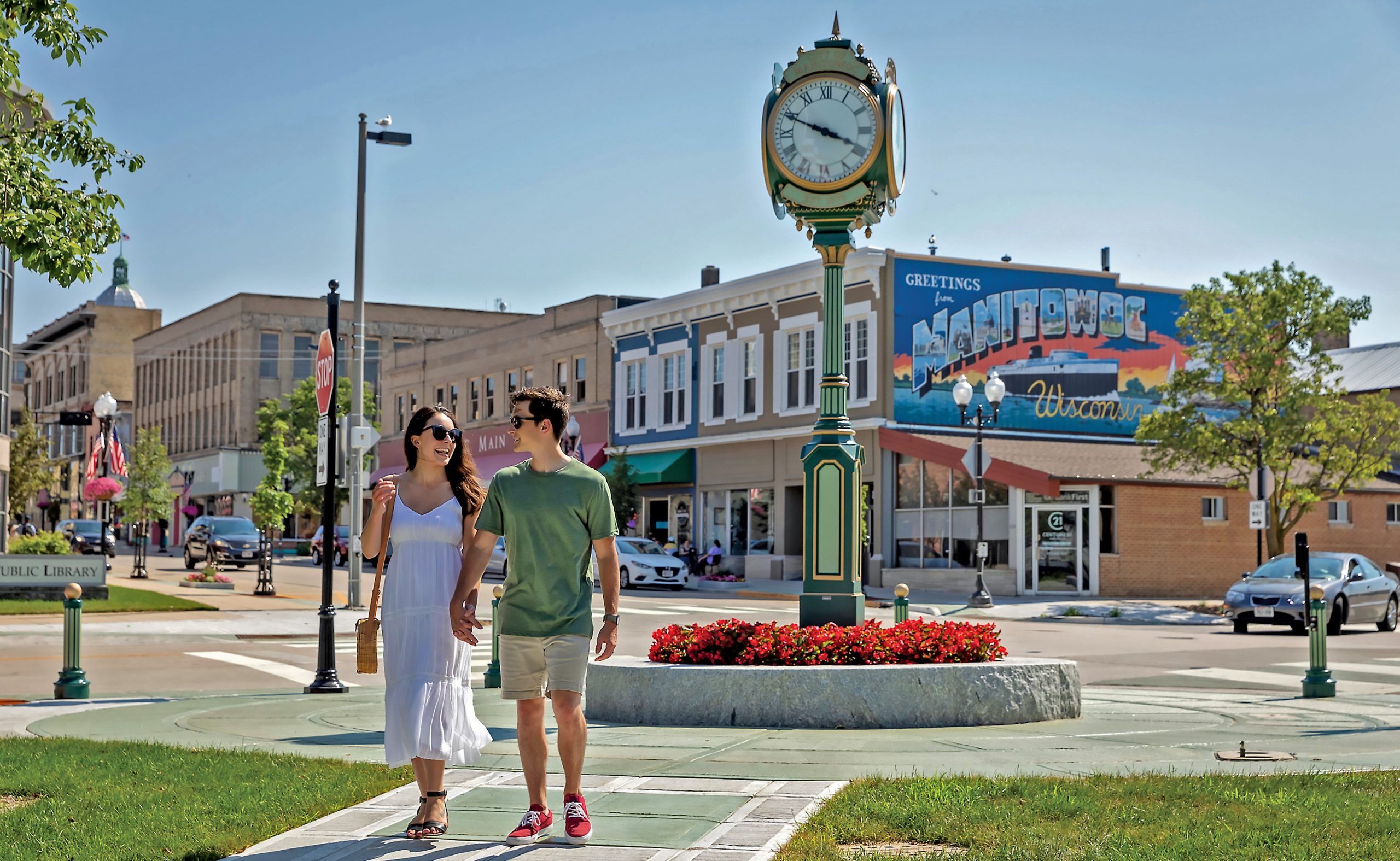
“This has kind of moved us into this new way of thinking. Maybe we need to think about quality of life, placemaking or community livability,” Deller said.
Assessing what constitutes a good quality of life or livability can be challenging as different people have different standards or judgments, Deller said, adding that it is worth figuring it out so communities can assess if they can take advantage of existing resources and opportunities or create new efforts to attract people and foster business growth.
The University of Wisconsin Extension has launched the Rural Livability Project to assess what policies and strategies can help communities address issues such as access to grocery stories, health care, and banks as well as increase civic engagement.