
Members of the NEW Construction Alliance brainstormed ideas for retaining and recruiting people to their industry after hearing that filling jobs is destined to become even more difficult.
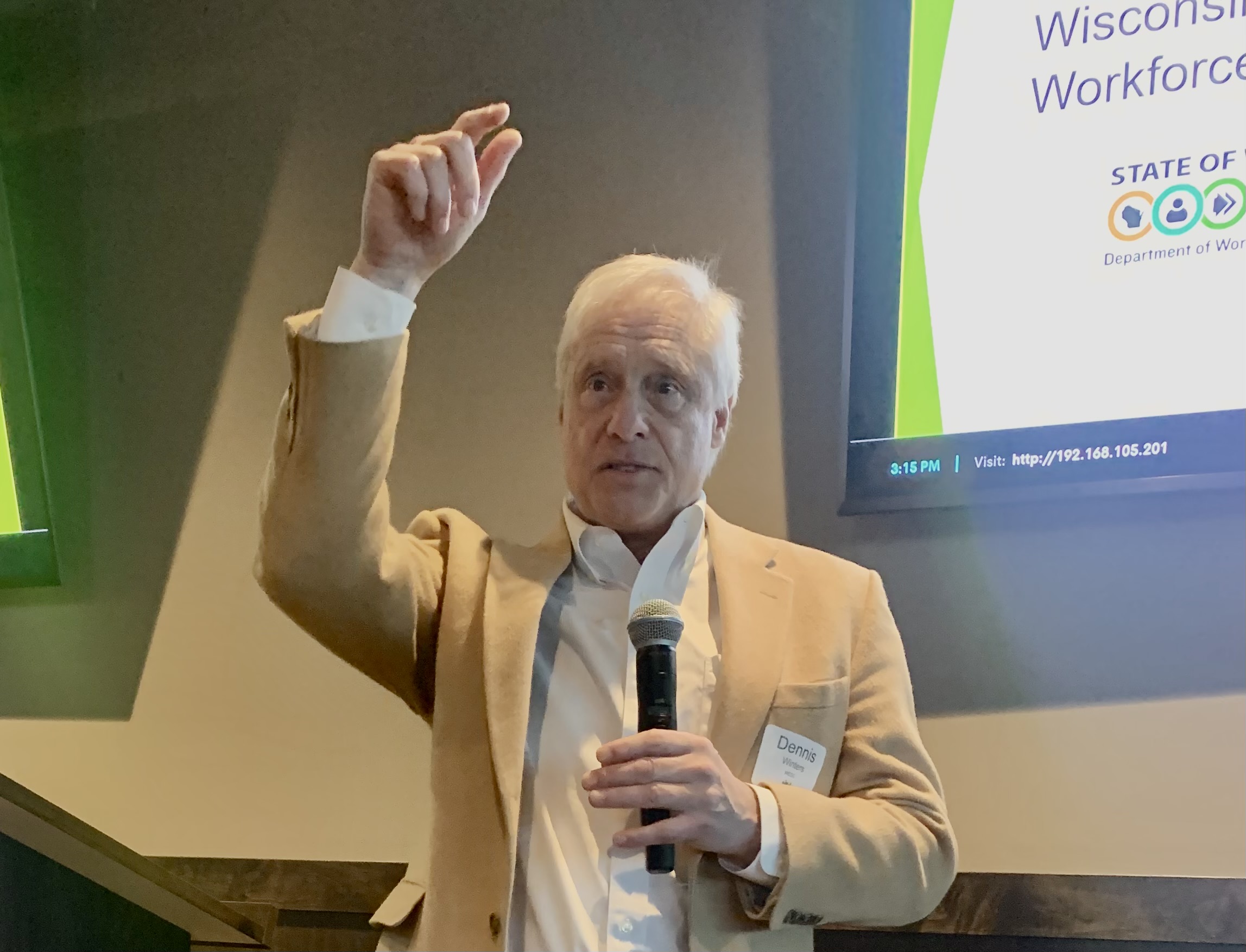
The Alliance met Feb. 28 in Appleton to hear from Dennis Winters, chief economist for the Wisconsin Department of Workforce Development. Winters presented a series of slides on workforce data and warned that without changes the state could see an unprecedented decline in the workforce population.
Winters projects that Wisconsin’s workforce will flatten out or even decline by 2035, largely due to the aging baby boomer population.
While boomers are remaining in the workforce longer, it is reasonable to assume by 2040 there will almost none of them working.
“The baby boomers are just getting older, and there’s only so many people coming in behind. We’ve never had to worry about a human resource component in the economy,” Winters said. “That’s a major problem, because where are we going to find the bodies?”
Winters said Wisconsin’s workforce participation rates peaked in the late 1990s when boomers were in their prime working ages and women had entered the workforce in greater numbers. He said aside from boomers working later in life, the workforce participation rate for other age groups has been flat for decades.
“Minimum wage is a non-item. This has some other ramifications,” he said.
For example, there are fewer people holding part-time jobs in addition to full-time jobs than in the past. Some families may not need two incomes, especially if child care costs eat into the earnings of a second worker.
Meanwhile, Winters said Wisconsin set a record for construction jobs in 2022 with 133,600. DWD projects 10% growth in construction jobs over the next decade for Northeast Wisconsin.
“Construction’s a pretty traditional type of employment,” he said. “Around here its 85, 86% male, 14% female. So, you may have to look at females to find some workers.”
About 90% of construction workers are white in Northeast Wisconsin, meaning there may be untapped populations for recruiting employees.
While individual companies may be able to fill their needs with higher wages and benefits, he said the overall challenge of finding more workers requires a more macro approach.
Winters suggested that possible solutions include offshoring — or sending work overseas, immigration, removing barriers to employment, and increasing use of technology.
He said the disruptions of the COVID-19 pandemic demonstrated the challenges and risks of offshoring and having long supply chains. In addition, the labor shortage is a challenge that is not limited to the United States.
Immigration needs a political resolution but seems promising, according to Winters.
“We need more bodies, and people still want to come to the U.S. so let’s get them here, get them trained up and get them into society,” he said.
He then provided examples of how communities are addressing the barriers to workforce participation, including a privately-funded Wheels to Work program in Wausau that helped 252 people obtain vehicles in the past two years.
Winters also pointed out, “There’s about 60,000 people in Wisconsin who are not on the job because they cannot find daycare.”
Increasing the use of technology also can help, but he said it requires workers who have the right talent and skills to be efficient in using that technology.
When Winters finished his presentation, Alliance board members and those in attendance talked about steps they could take to address workforce challenges.
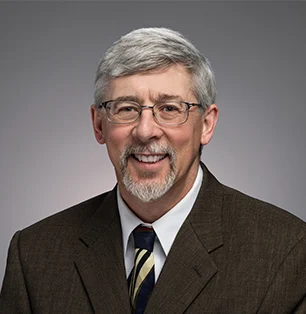
Mark Ver Voort of The Boldt Company said the construction industry needs to work together to increase the number of workers in the industry and not just compete for the same pool of workers.
Others concurred and pointed to collaboration among firms for training, as well as efforts by the NEW Construction Alliance, as evidence that progress is being made to recruit and retain workers.
Ideas included reaching out to students at younger ages, communicating with parents about benefits of working in construction, and seeking connections with veterans or other work ready populations.
The crowd was encouraged to stay connected by joining the NEW Construction Alliance.

