

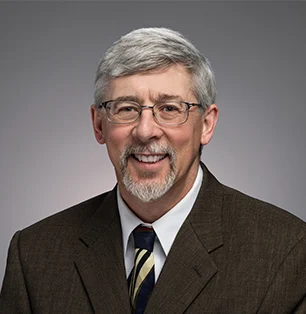
Northeast Wisconsin has the energy capacity and infrastructure required for a hyperscale data center, according to Aaron Bilyeu, chief development officer for Cloverleaf Infrastructure.
Cloverleaf is an energy first real estate developer that works with utilities and communities to find sites where hyperscale data centers can be developed. Bilyeu says once it finds a suitable site, the company gets development agreements in place and sells the site as development ready to companies like Microsoft, Meta, Amazon, Google or Oracle.
There are a few reasons Wisconsin has become a focus for hyperscale data center development in recent years. First, the state passed a sales and use tax exemption for data centers in 2023.
“We follow power, and the other thing that we follow are sales and use tax exemptions,” Bilyeu says.
The tax exemptions have come under criticism, but the state has provided a variety of exemptions for agricultural and manufacturing operations over the years including an exemption for energy usage that has applied to some manufacturers since 2006.
Another factor driving data center development in Wisconsin, as well as other places outside of large population centers on the East and West coasts, is the rise of artificial intelligence. Data centers previously were built close to large populations to reduce latency. Bilyeu says that is less of a concern for the companies developing AI data centers.
Finally, he says, “The interest in Northeast Wisconsin is driven by there’s really strong electrical infrastructure and there is access to underutilized power generation assets.”
The region has capacity that is the result of more energy efficient manufacturing processes and some large energy consumers that are no longer operating.
Bilyeu argues that data centers can be good for existing energy rate payers and made that case at a Public Service Commission hearing for WE Energies that could set a rate structure for data centers.
The Wisconsin Citizens Utility Board has urged the PSC to ensure residential customers will not be on the hook for new infrastructure or increased costs associated with data center demand for energy.
Bilyeu and others say much of the opposition to data centers is based on how they have been built in the past. Data centers in the past were built without taking the impact of noise and lighting into account for example.
“In 2026, data centers have learned the lessons of the past and are doing the things required to be good community stewards,” Bilyeu says.
Cloverleaf does not operate with nondisclosure agreements for local officials and Bilyeu says they are not trying to place them where they are not supported.
For example, Cloverleaf was looking at a location in Greenleaf and he says a short meeting with officials there made it clear it was not a good fit. But he says communities often see the economic advantages of data centers.
“What we’re doing quite honestly – and across the industry you’re seeing this – is spending time educating politicians and the public about the positive aspects of this.”
Editor’s note: This story was corrected. Aaron Bilyeu attended but was not a speaker at a data center informational event for public officials held Wednesday in Green Bay.