

In less than a decade, Robinson, Inc. has grown its revenue six times, from $58 million to $350 million. The catalyst wasn’t a product breakthrough or acquisition — it was pivoting from the business model that built the company.
The seeds of Robinson’s evolution were planted in the mid-1990s when the company started packaging generators for the power generation industry. That contract manufacturing work brought with it a different level of profitability, yet for years the company operated as a “hybrid job shop.”

“The [contract manufacturing] was a higher margin work than what we were used to,” says CEO Todd Robinson, who bought the business in 1999 with business partner Darrell LaCrosse. “Really, it was slapping us right there in the face — it’s time to move on from the job shop work.”
Jen Fietz, CEO of revenue growth accelerator Stoke RGA, has been working closely with De Pere-based Robinson since 2019 on its talent recruitment strategy. She says the mindset shift Robinson has undergone “from making parts to solving problems” is necessary for manufacturers in today’s market.
“While it feels safer to stay in a familiar lane,” she says, “the biggest risk I see is companies that are standing still.”
‘From making parts to solving problems’
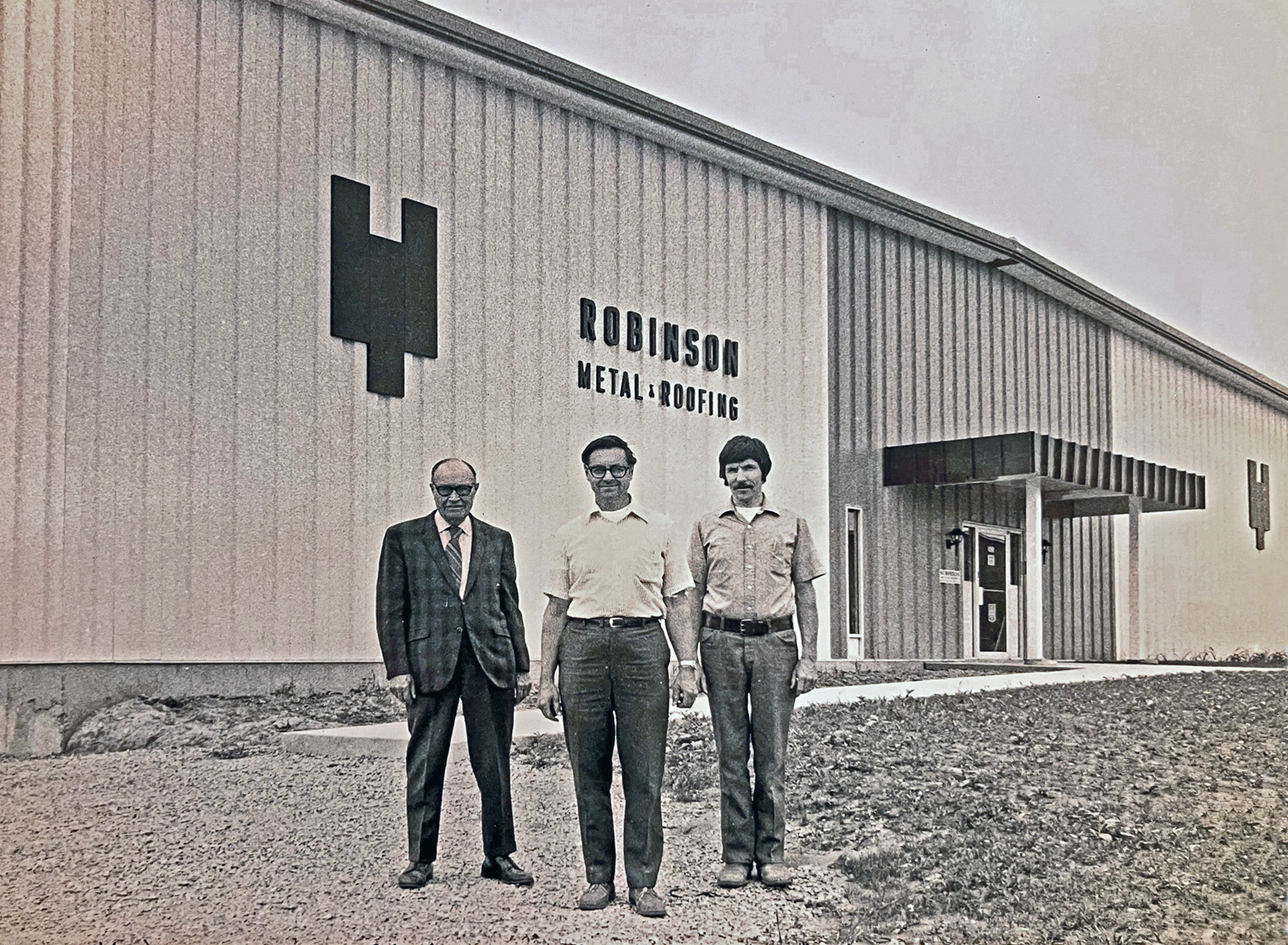
Robinson was founded in 1975 as Robinson Metal & Roofing, offering sheet metal work, heating and air conditioning, and roofing. It was started by Todd’s father Tom and uncle Maurie after splitting from the original family business, Badger Sheet Metal Works.
The Fox Valley’s historic paper industry gave way to a competitive environment for “job shops,” which are specialized manufacturers that create parts or components for other OEM manufacturers.
“That paper industry really challenged all of us job shops from a quality standpoint, from a delivery standpoint,” Todd says. “We all had to be good. We had to develop a good product and deliver on time at a fair price.”
While this was the landscape that shaped Robinson’s early years, it was the data center boom of the last decade that has fueled its recent growth, creating massive demand for Robinson’s generator enclosures.
President Sam Thomas says the proof is in the numbers — revenue has jumped from $58 million in 2016 to $350 million booked for this current fiscal year.
“Over this 10-year period, there’s been a lot of growth and a lot of opportunity to really focus on what we’re good at and where we know we bring value to our customers,” he says. “In a lot of ways, we were able to remove things that were just robbing us of time and capacity and creating work for us that just didn’t make sense anymore.”
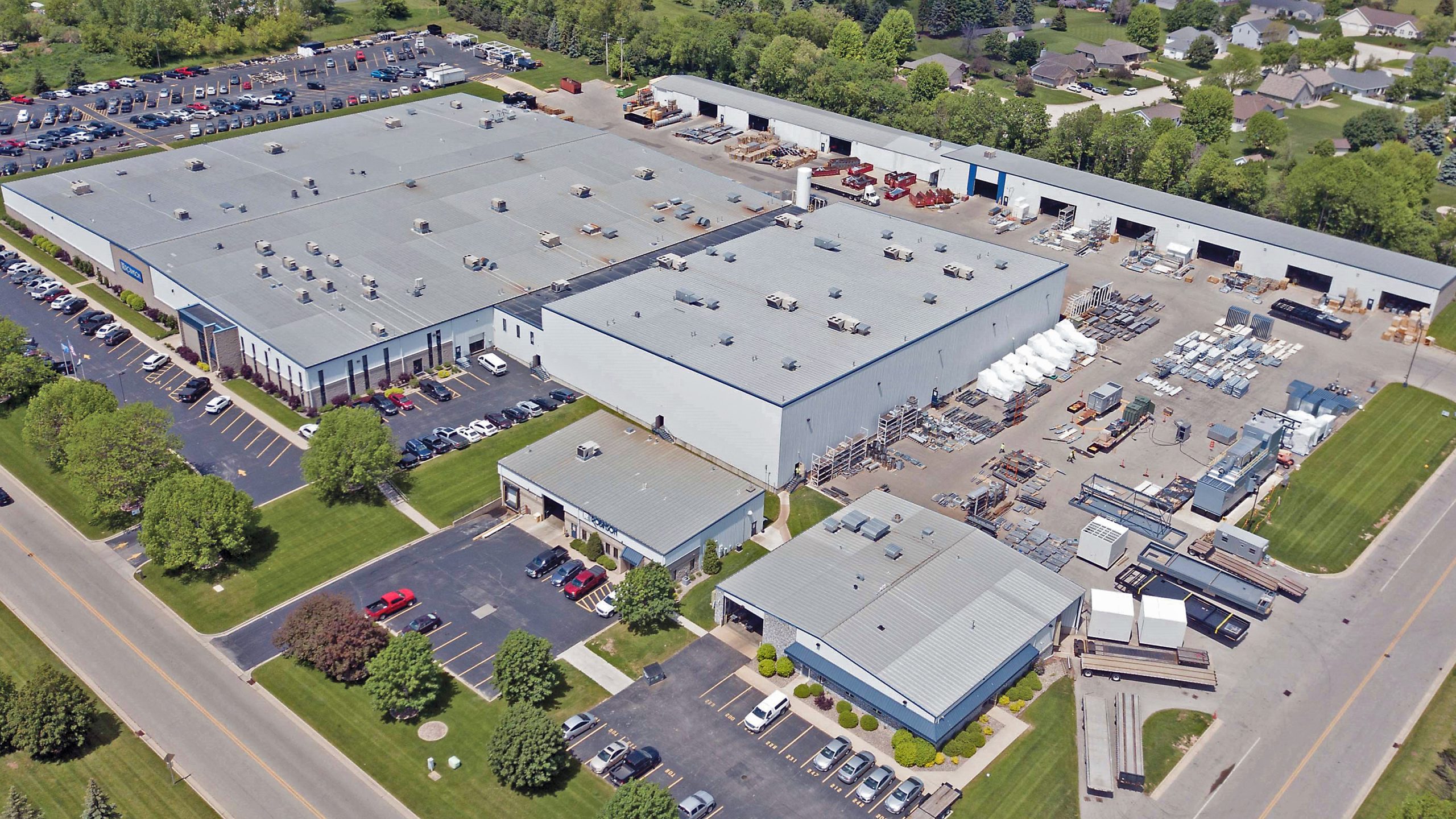
Changing the firm’s focus to integrated manufacturing has allowed expansion into new sectors, the variety of which dictated the need for flexible production facilities. Robinson, which was named to Insight’s 2024 Fastest Growing Companies list, recently expanded to four facilities totaling close to 800,000 square feet of manufacturing space and housing 830 employees. The company has invested more than $60 million in capital equipment over the last two years to handle the volume and complexity of its new work, Thomas says.
“It pointed us in a direction where even as we acquired facilities or looked at facilities, we wanted them to be as flexible as they possibly could be, because we want to be as flexible as we can be for our customers and be able to pivot,” he says. “As certain markets change, or as new and emerging markets come into play for us, we want to be able to service those.”
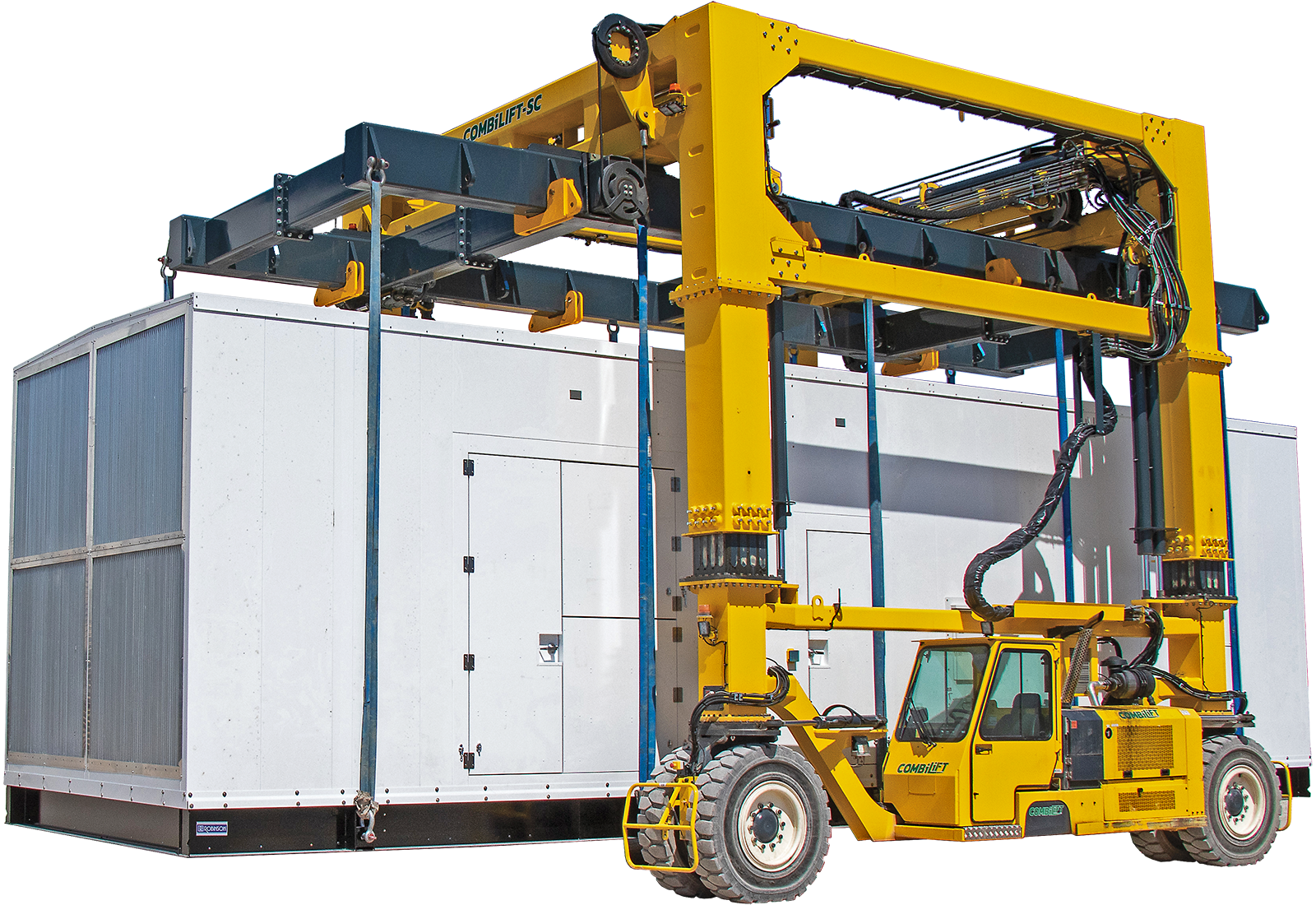
Robinson has focused on designing, building and installing custom enclosures for energy storage, pump enclosures, battery energy storage and other storage systems. Because of this, Thomas says Robinson overbuilt its facilities to accommodate these massive units. “Our ceilings are higher, we increased the size of our powder coat booths to 60 feet to accommodate larger parts, our doors are larger, and we can change production areas accordingly,” he says.
Enclosures can be larger than a semi‑truck trailer and sometimes require highways to be shut down in order to move.
“We have angry neighbors sometimes, and I love it because it means there’s typically $500,000 to $700,000 of revenue leaving,” Thomas says.
Meeting demand
With more than one-third of U.S. manufacturers citing labor shortages as a top business challenge, Robinson’s customers struggle to find the skilled labor they need to build enclosures themselves. Robinson’s ability to respond has put the business in prime positioning, Fietz says.
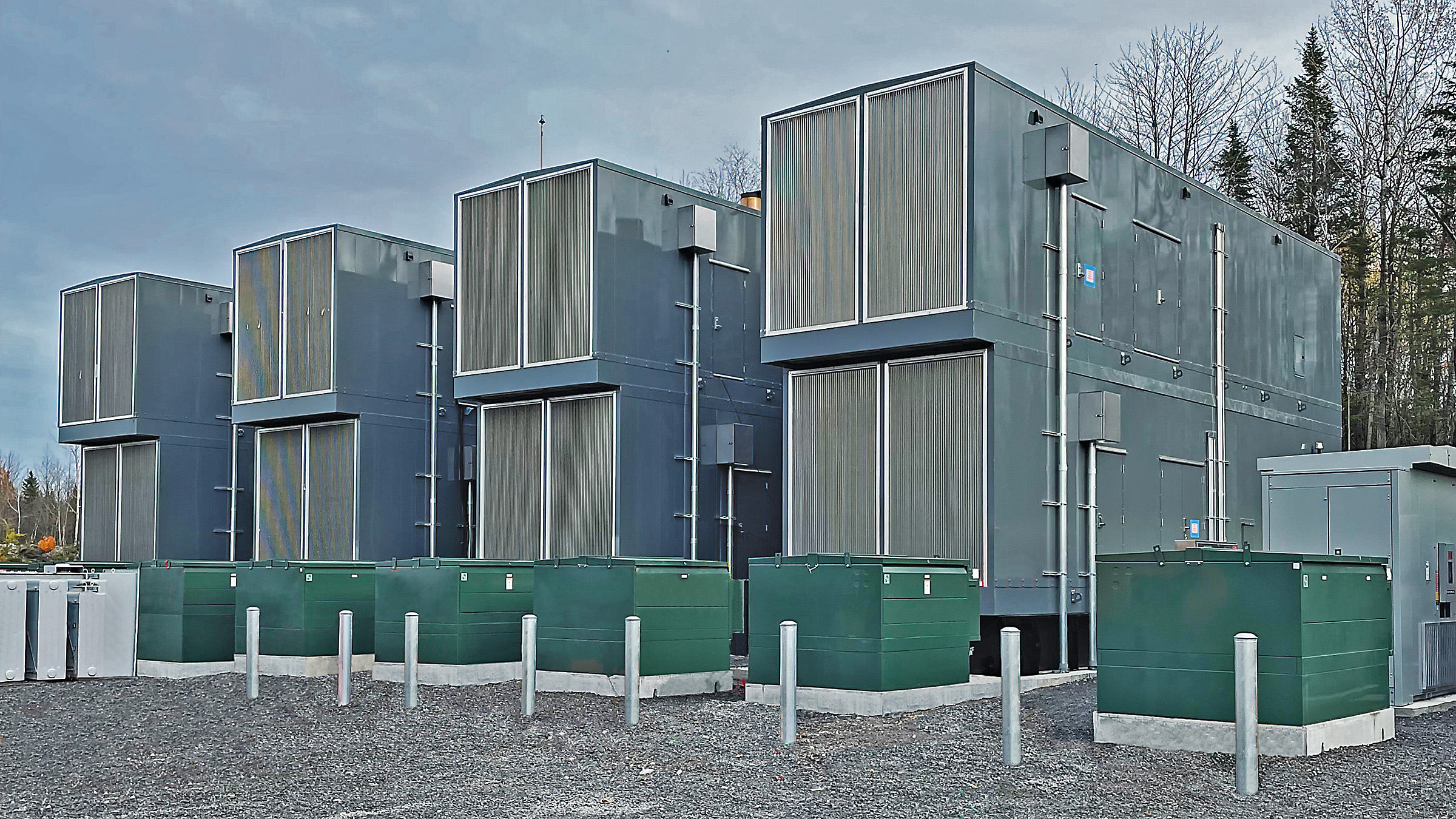
“Energy storage and data infrastructure are exploding markets, and [Robinson] was at the intersection of those mega trends where digitalization and sustainability came together,” she says.
While data centers and the tech industry have been a strong driver of Robinson’s recent growth, Todd isn’t content to rely on one industry’s demand. “We have other areas of contract manufacturing that we are doing now, customer relationships we’re developing, because even with the power generation industry and certainly the data center boom driven by AI, at some point that will come to an end and Robinson has to prepare,” he says.
Fietz sees Robinson’s adaptability as part of a larger pattern emerging in manufacturing.
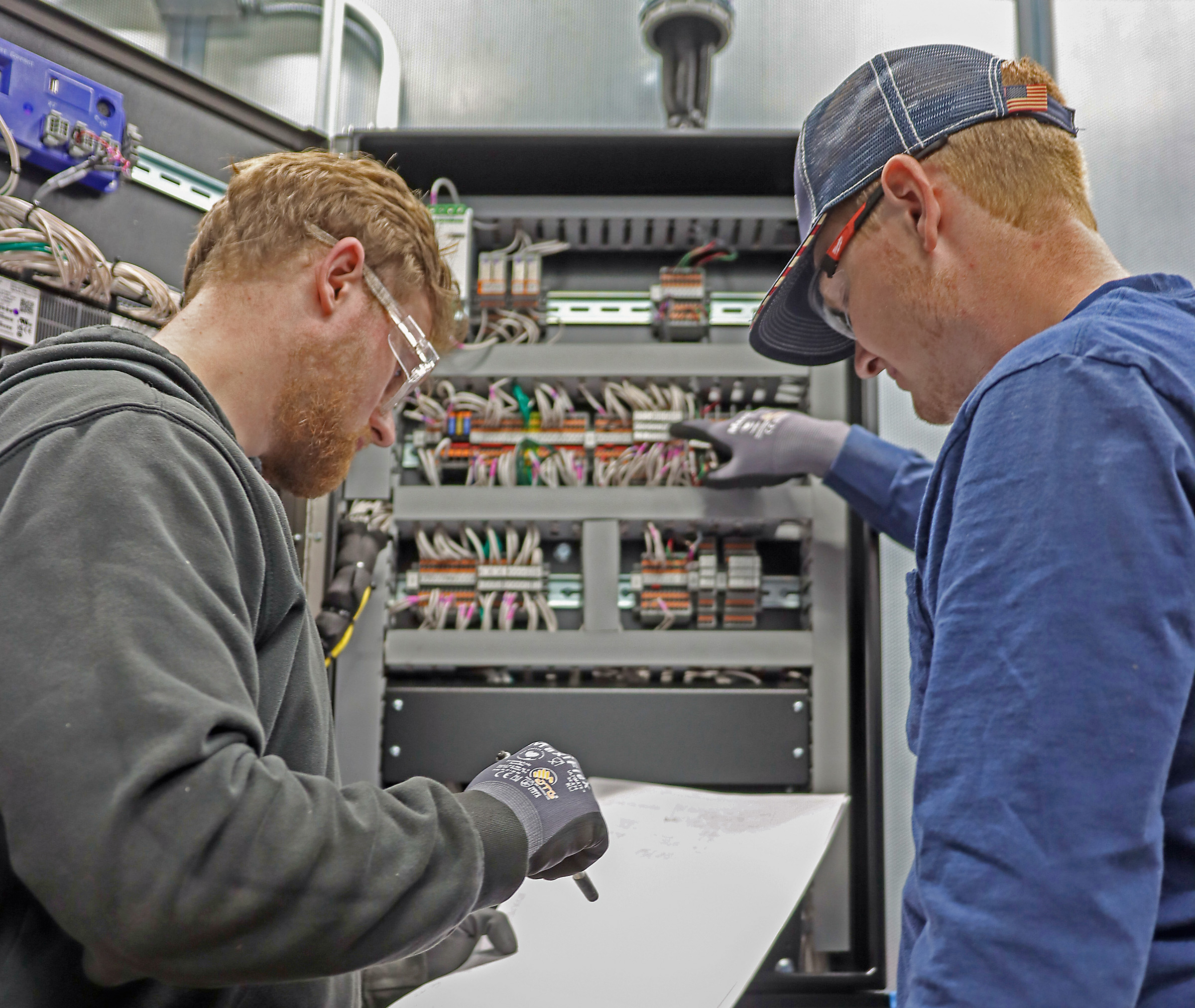
“Robinson’s not alone in this shift. We’re seeing other companies move upstream into design consultation, suppliers leaning into EV and battery systems, and other manufacturers adding R&D services alongside production,” Fietz says. “The whole industry is realizing the value isn’t just in making ‘stuff’ anymore; it’s in helping customers solve bigger problems.”
That broader industry shift aligns with Todd’s long-held business philosophy.
“If you’re not growing, you’re dying,” he says. “And if we don’t keep on looking for new opportunities, we’re gonna get left behind. As a company we are always looking to keep evolving.”
High rise heroics
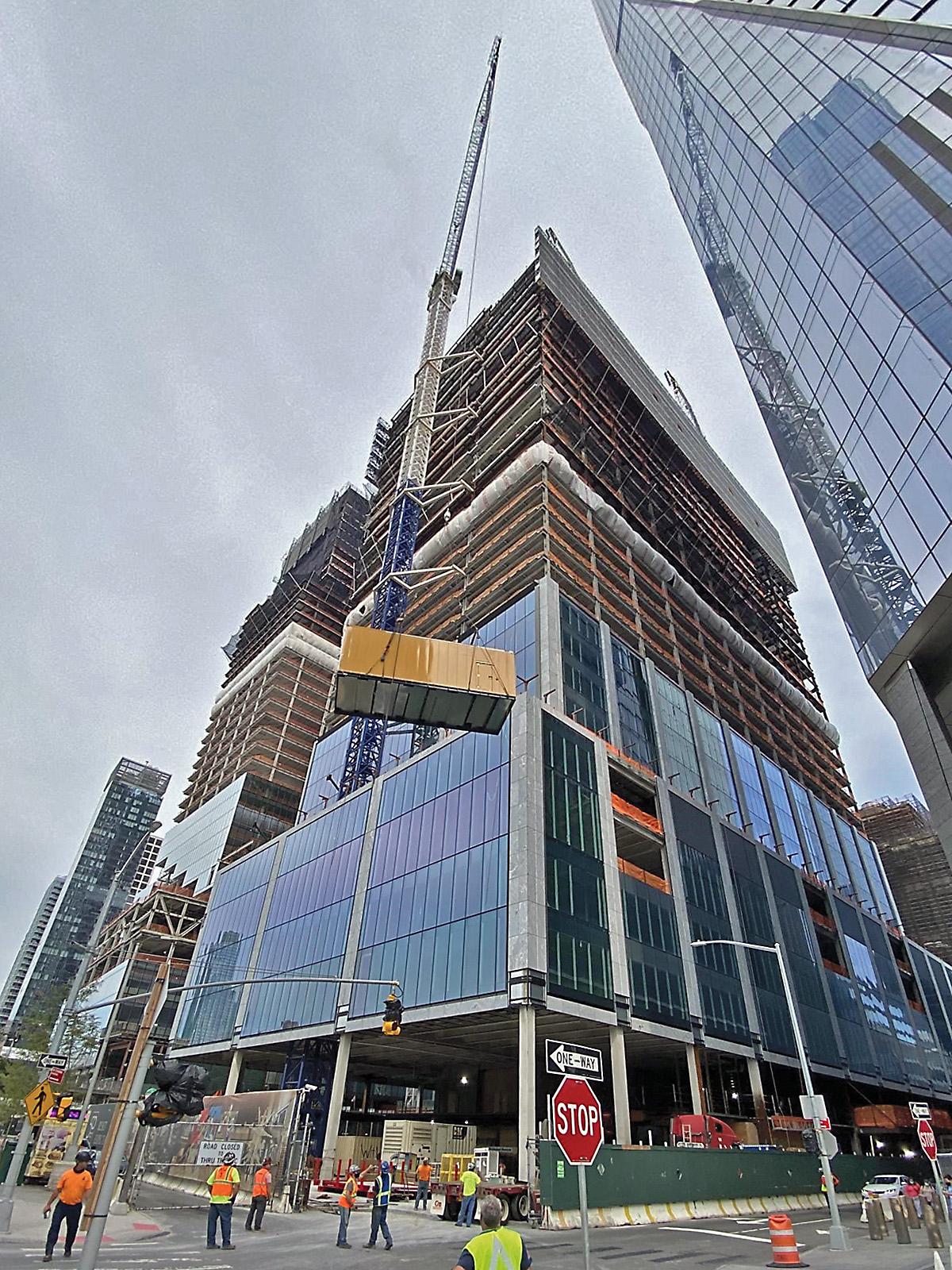
No project better illustrates the type of customized, problem-solving work that has driven Robinson’s evolution from traditional job shop to contract manufacturer than its power project atop 11 Times Square, a 40-story office building in Manhattan.
Robinson was contracted to design and deliver two custom enclosures housing a rooftop generator and air compressor system at a New York City skyscraper.
The problem? The completed assembly, weighing nearly 54,000 pounds and measuring more than 34 feet long, had to fit through a roof access hatch which was considerably smaller.
Team members described it as “the equivalent of the biblical rope passing through the eye of a needle.”
With no budget for a construction derrick, the Robinson team broke down the unit into hundreds of components and transported them up a small service elevator. The company modified its standard process, using bolted connections instead of welded skids for easier on-site reconstruction.
Despite a winter storm that dumped more than a foot of snow on the city and threatened the project altogether, eventually Brothers Rigging was able to lift the reassembled units about four feet onto the dunnage supports, and then the secondary air compressor enclosure another 18 feet up on top of the primary enclosure.
The Times Square project exemplifies the strategic evolution Fietz has observed at Robinson.
“They are setting themselves up as a company that solves problems and provides services instead of just getting the order, completing it and sending it out,” she says. “They’ve become so much more strategic in their approach to how they do business.”