
The ordinary person might not realize it, but Wisconsin is the No. 1 paper maker in the United States. Facing an increasingly competitive landscape — both from other states and countries — it’s not a designation Wisconsin can afford to take for granted.
When the Wisconsin Paper Council and the University of Wisconsin-Oshkosh Center for Customized Research & Services embarked on a joint study aimed at creating a framework for the industry, they knew what was at stake. Now completed, the 18-month study lays out what’s needed to keep the state’s industry vital.
The study uncovered workforce as the biggest challenge, so Jeffrey Sachse, director of the CCRS, says the group aimed to create a long-term strategy to address needs “beginning with talent and growing from there.”
The industry faces perception and messaging problems, Sachse says. College and high school students polled showed little knowledge of the industry. “A lot of those students really had no prior impression of the paper industry writ large, which is surprising given its size in the state,” Sachse says.
Many of the state’s paper companies are based in rural locations. In the past, the industry built its talent based on generations of family members working side by side in plants. That strategy has become outdated, and companies must find more proactive ways to recruit, Sachse says.
Because paper companies in rural communities play such large roles in their economies, it’s vital to preserve them. Attracting talent to those smaller areas will require a deliberate approach, Sachse says. “You have to message the advantage of living in these places and the beauty that they have.”
It’s not just students and prospective workers the group would like to influence but also policymakers, says Scott Suder, president of the Wisconsin Paper Council.
“We need to do a better job of combining forces with stakeholders as an industry to show the size and the scope of the industry in Wisconsin,” he says. “Now we have to really bump up our game in terms of how we showcase our diversity, our socioeconomic impact and the environmental impact, and do it in different ways than we have.”
The council plans to challenge policymakers to create a paper fund that could be used during crises such as pandemics to help with workforce needs. It’s imperative to find ways to use state resources — and sometimes taxpayer dollars — to help the industry, Suder says. Maine has a $20 million fund to help its forest products industry, and Wisconsin must compete with such efforts, he says.
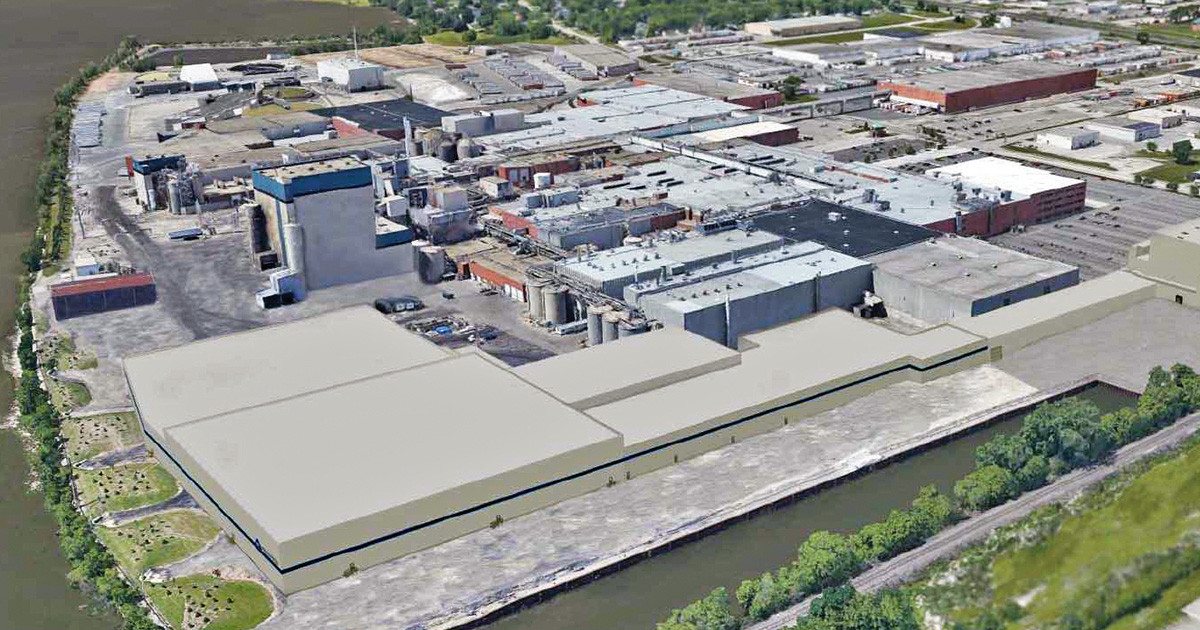
The paper industry has a lot going for it — including sustainability and innovation efforts — and needs to share those stories. Successes in the New North include Green Bay Packaging and Georgia-Pacific each investing $500 million in a new facility and upgrades, respectively. Green Bay Packaging’s mill also recently achieved net-zero water use in its production of 100% recycled containerboard paper.
Assembling many stakeholders to contribute input to the study and creating a framework were good starts, Sachse says. Now all the voices need to come together. “There are great ideas all around, but if they’re not shared, then who’s really benefiting from them?” he says.
To view the study, visit uwosh.edu/ccrs/wisconsin-paper-industry-study.

