
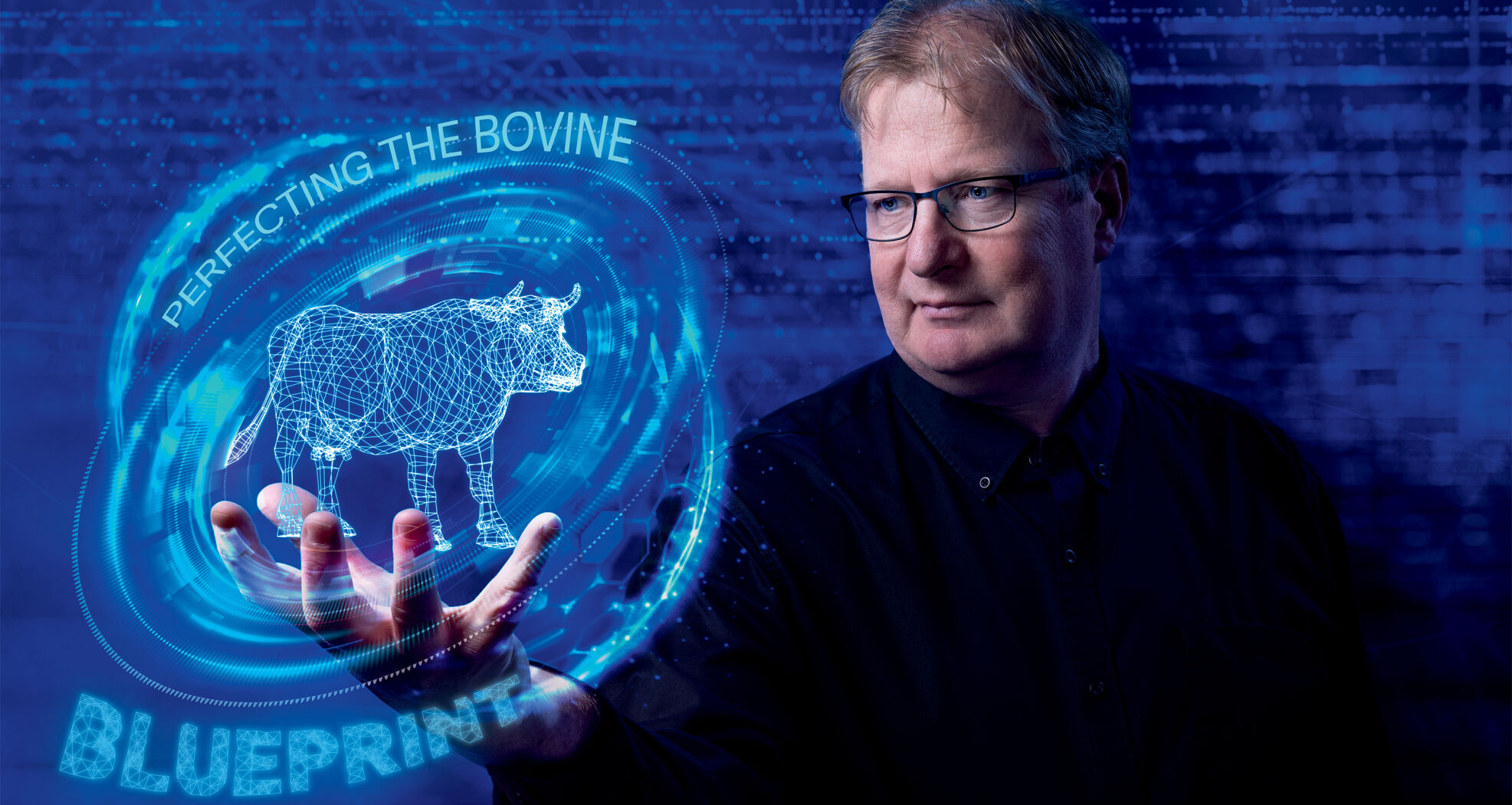

Photograph by Shane Van Boxtel, Image Studios
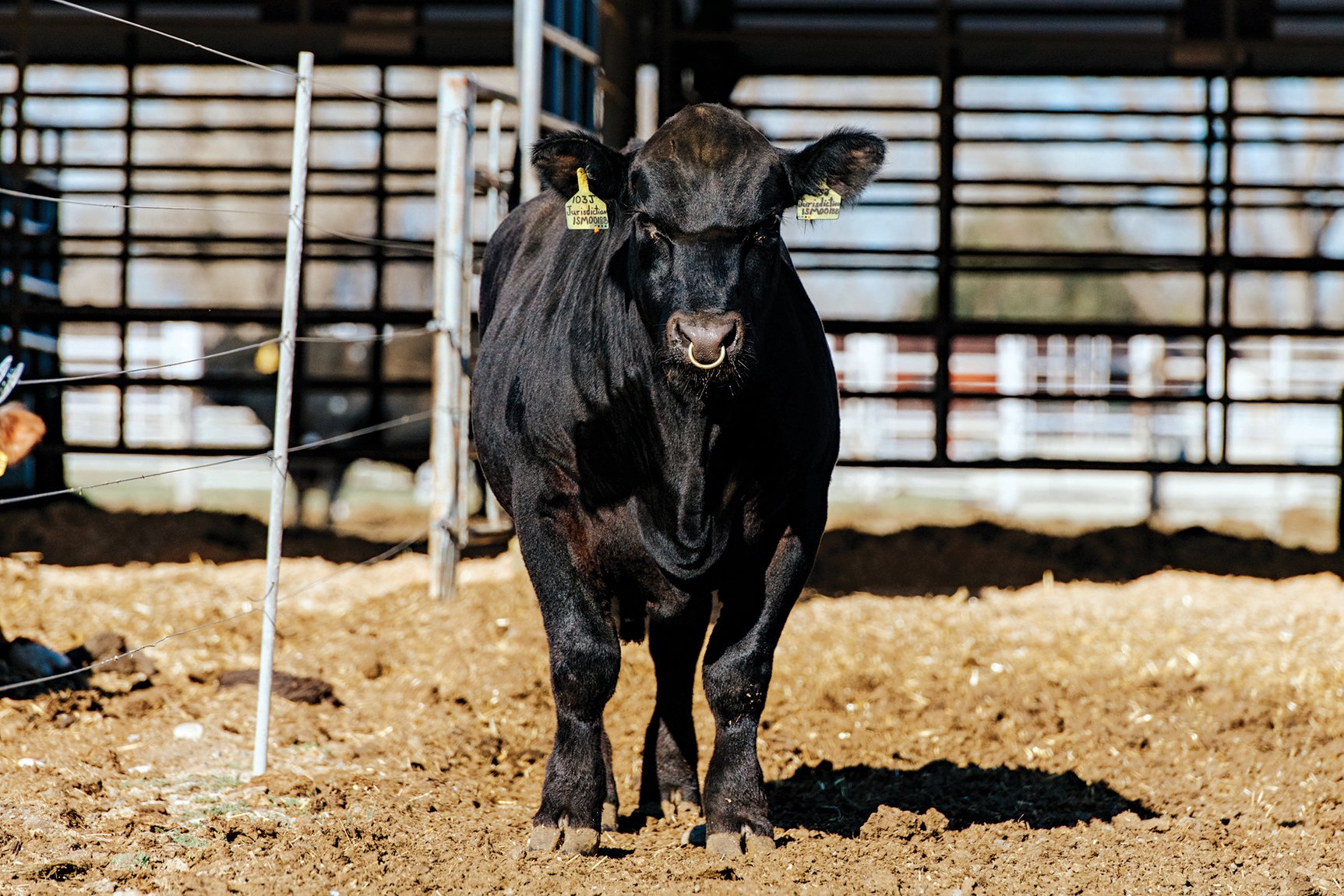
Shawano, Wisconsin may be known for many things — as one of the original bottling locations of Sun Drop soda; as the home of Shawano County Barn Quilts; as a hotspot for rafting the Wolf River.
But according to GENEX CEO Huub te Plate, there’s only one Shawano distinction that matters. But to understand it, first you need to understand GENEX.
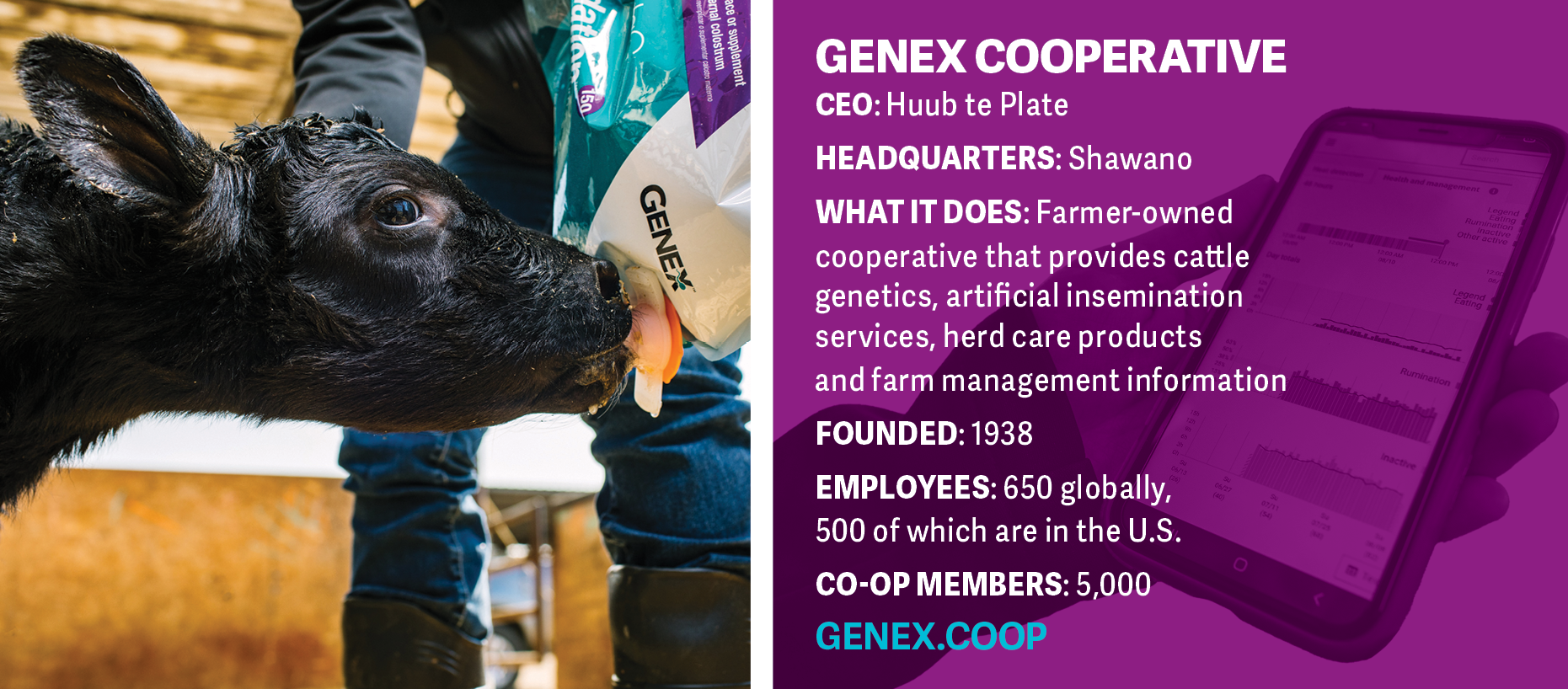
GENEX, a cattle genetics cooperative headquartered in Shawano, helps dairy and beef farmers around the world improve the genetic quality of their herds by providing reproductive solutions, artificial insemination services, herd care products and farm management information.
To do this, URUS Group, the holding company of the farmer-owned co-op, operates four bull semen production centers in North America, in addition to centers in Brazil, Argentina, Australia and Asia, where the genetic material from proven bulls is collected.
“All the semen that’s produced at these centers comes to Shawano and, from here, it’s distributed throughout the rest of the world. So that’s why we call Shawano ‘The Semen Capital of the World,’” te Plate says, followed by a boisterous laugh.
While te Plate’s claim is a partial jest, he’s not totally kidding. GENEX sells about 12 million units of semen a year to dairy and beef producers in more than 80 countries, which results in more than 4 million genetically superior offspring — and Shawano is the epicenter of it all.
In conjunction with its sister companies, URUS Group sells about 32 million units of semen every year, most of which is dispersed from its global distribution center in Shawano.
“That’s basically one insemination every second of the day,” te Plate says. “The shock for most people is they walk into Shawano and go like, ‘You have what now? You have the world’s largest semen distribution center?’ It’s bigger than people think. It’s huge.”
The co-op advantage
It’s not just the number of calves for which GENEX is responsible that surprises people. The co-op’s global reach and impact are greater too.
Today GENEX — which stands for Genetic Excellence — has about 5,000 member-owners across the U.S. and brings in $160 million in annual revenue, making it one of the leading cooperatives in the cattle improvement industry. About 60% of GENEX’s business is dairy; the other 40% is beef.
The GENEX story dates back to 1938, when producer members formed Tri-County Breeders with five employees, 100 members and 12 bulls. The co-op business model allowed members to pool their resources for shared benefit while gaining access to greater resources as a network.
But the co-op that exists today is the result of many mergers and acquisitions. One of its most significant mergers took place in 2018. This was the year GENEX’s holding company, Cooperative Resources International (CRI), merged with the holding company Koepon Holding BV to form URUS Group, with both cooperative and private ownership.
The merger between private, Netherlands-based Koepon Holding BV and U.S.-based CRI was unique — it was the first time a U.S. cooperative took a minority stake in a global company.
With corporate headquarters in Madison, URUS is composed of the companies AgSource, Alta Genetics, GENEX, Jetstream Genetics, Leachman Cattle, PEAK, SCCL, Trans Ova Genetics and VAS. Each company maintains its own identity but works toward the shared goal of improving herd quality and productivity.
John Ruedinger, a dairy farmer in Van Dyne, has served on the GENEX board of directors since 1989. As the current board chairman, Ruedinger views the merger of Koepon Holding and CRI as one of the highlights of his cooperative career and a positive step for GENEX.
“Being part of a larger organization opens up a lot of doors for the cooperative, which is so important. If you don’t grow, you fall behind,” Ruedinger says. “It’s taken the whole business to the next level. There’s a lot more opportunities in human resources, people development, even cybersecurity and banking.”
Growing GENEX’s global footprint has been one of te Plate’s major focuses, which began years ago by exporting surplus semen to customers overseas.
“At that time, we really wanted to be more of a global organization, so we went from an export organization into what I would call an international organization by having ownerships internationally,” he says. “Now we’ve actually started to become truly global; we have semen production centers in Brazil [from which] we sell in the rest of the world.”
Two-thirds of GENEX’s business today is international, exporting product to more than 80 countries; Brazil, Mexico, China, Russia, Italy and Turkey are the top importing countries. Ruedinger has traveled internationally to work with members and customers around the world, learning business practices that he then applies to his 1,600-cow dairy in Fond du Lac County.
“Until you get involved with a collaborative that has this size, scope and breadth, you don’t realize how businesses are run around the world if you don’t see it firsthand,” he says. “Those are the learning things that you really can gain a lot from when you become involved in the cooperative.”
This summer, GENEX embarked on a new partnership with Genetics Australia, Australia’s largest artificial breeding supplier cooperative. The cooperative-to-cooperative partnership will enable GENEX to leverage Genetics Australia’s expertise in grazing genetics while establishing a presence in this new market.
“That’s been really fascinating to see — going all the way from selling, sending a bill and collecting, to being truly engaged in what’s happening locally,” te Plate says.
Science at the forefront
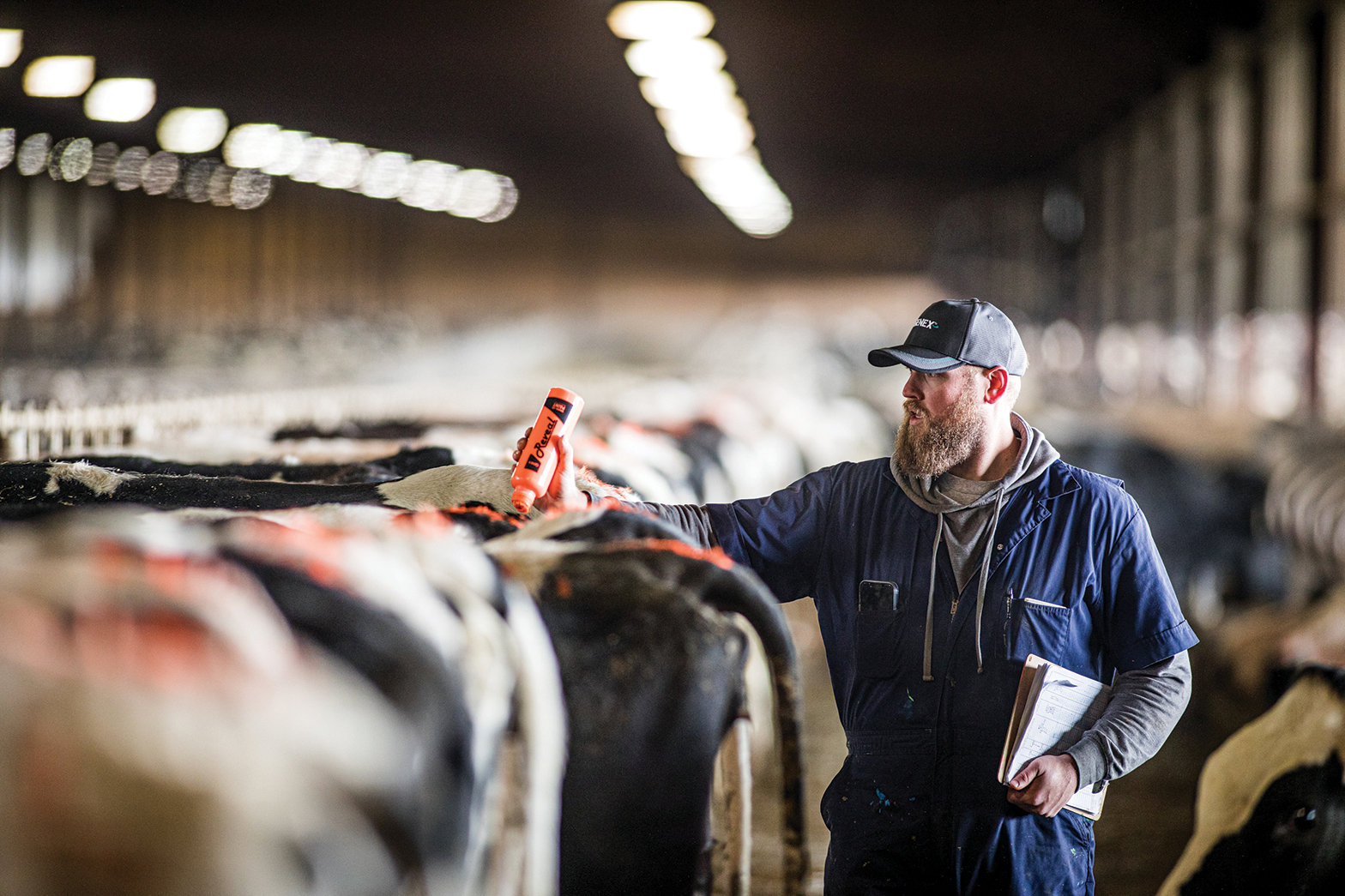
While artificial insemination (abbreviated as “AI” within the industry) in cattle first began around the turn of the 20th century, it wasn’t until the 1950s that it became a widespread practice. In developed countries today, te Plate says, between 80 and 90% of dairy cattle are bred artificially.
“It first began as a means of disease control,” te Plate says. “Now we can also predict more health events as well. That really helps producers to be more efficient and effective, and have more profitable animals at the end of the day.”
In 2000 te Plate joined CRI, GENEX’s former parent company, where he oversaw international sales, but he has been in the industry since the early ’90s. He has seen the use of high-level technology, especially in monitoring animal health, continue to advance in the agricultural industry.
“We had Fitbits on cows before they were popular with humans,” te Plate says. “I do believe that the health care for animals is arguably better than it is for humans.”
But the two biggest advancements te Plate has experienced in his career have been the advent of sexed semen technology and genomics. The former allows producers, particularly dairy, to select the desired gender of calves at about 90% accuracy, te Plate says, by using sperm that has been sorted for X and Y chromosomes. The latter uses DNA profiles and milk production data from millions of cows to accurately predict an animal’s appearance, production levels and overall health.
“It’s a little bit like 23andMe, where we can look at your DNA and say this is your ancestry based on what we know ancestry looks like,” he says. “It’s the same in cattle. We can look at the DNA to know a cow’s level of production and health.”
As new science emerges, te Plate envisions a future where cows can be bred for more desirable sustainability traits, such as water efficiency.
“Through genetics, dairy and beef production have gotten so much more efficient over the years, which has had a positive effect on food supply and carbon footprint as well,” he says. “The more efficient we can get with feed or water, the less environmental pressure we are putting on our surroundings. We’re going to be building a more sustainable industry moving forward.”
Local support, global impact
While Shawano is a major hub of activity, GENEX’s reach extends farther through implementing a Cooperative Development Program from the United States Agency for International Development (USAID).
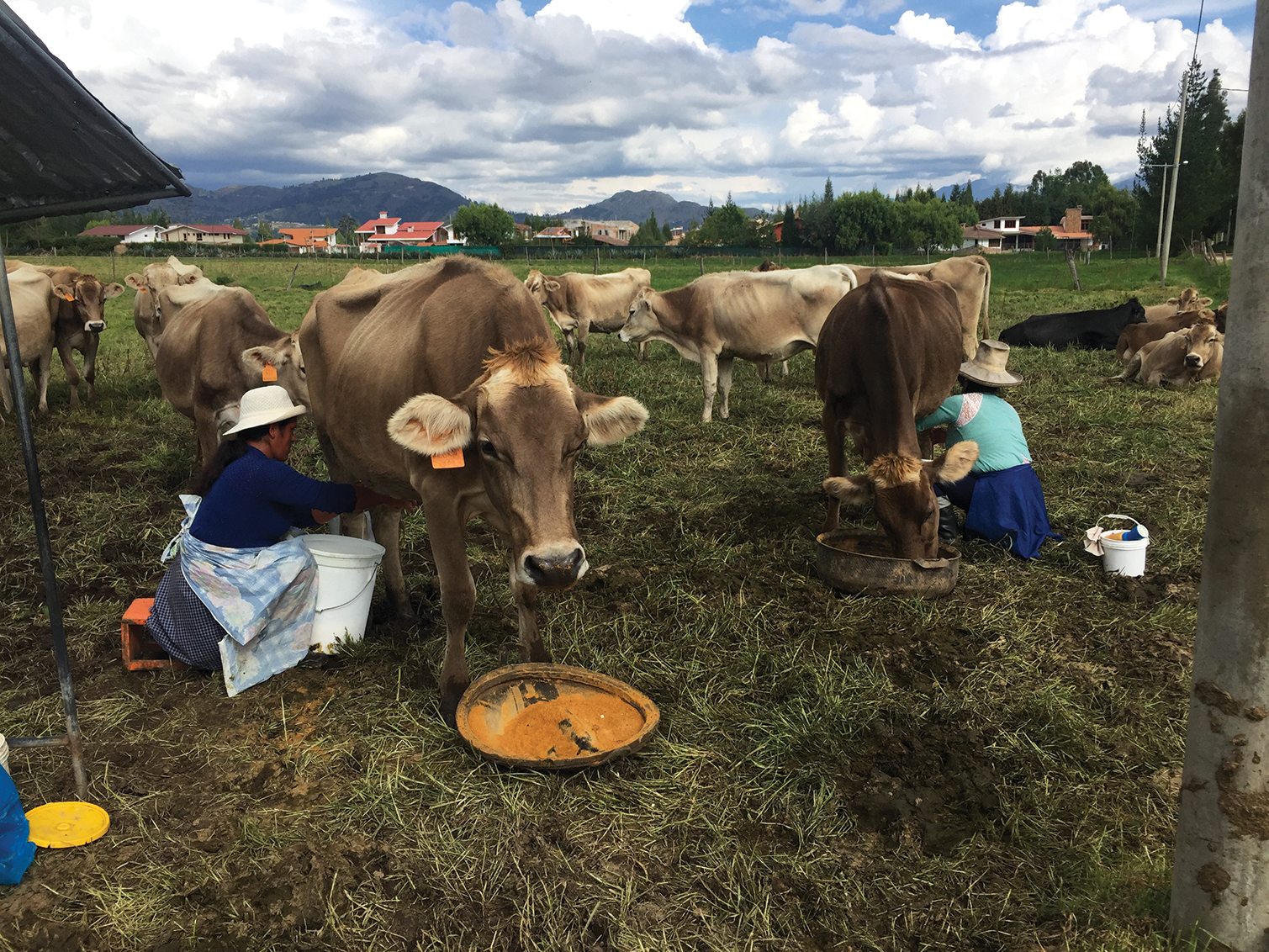
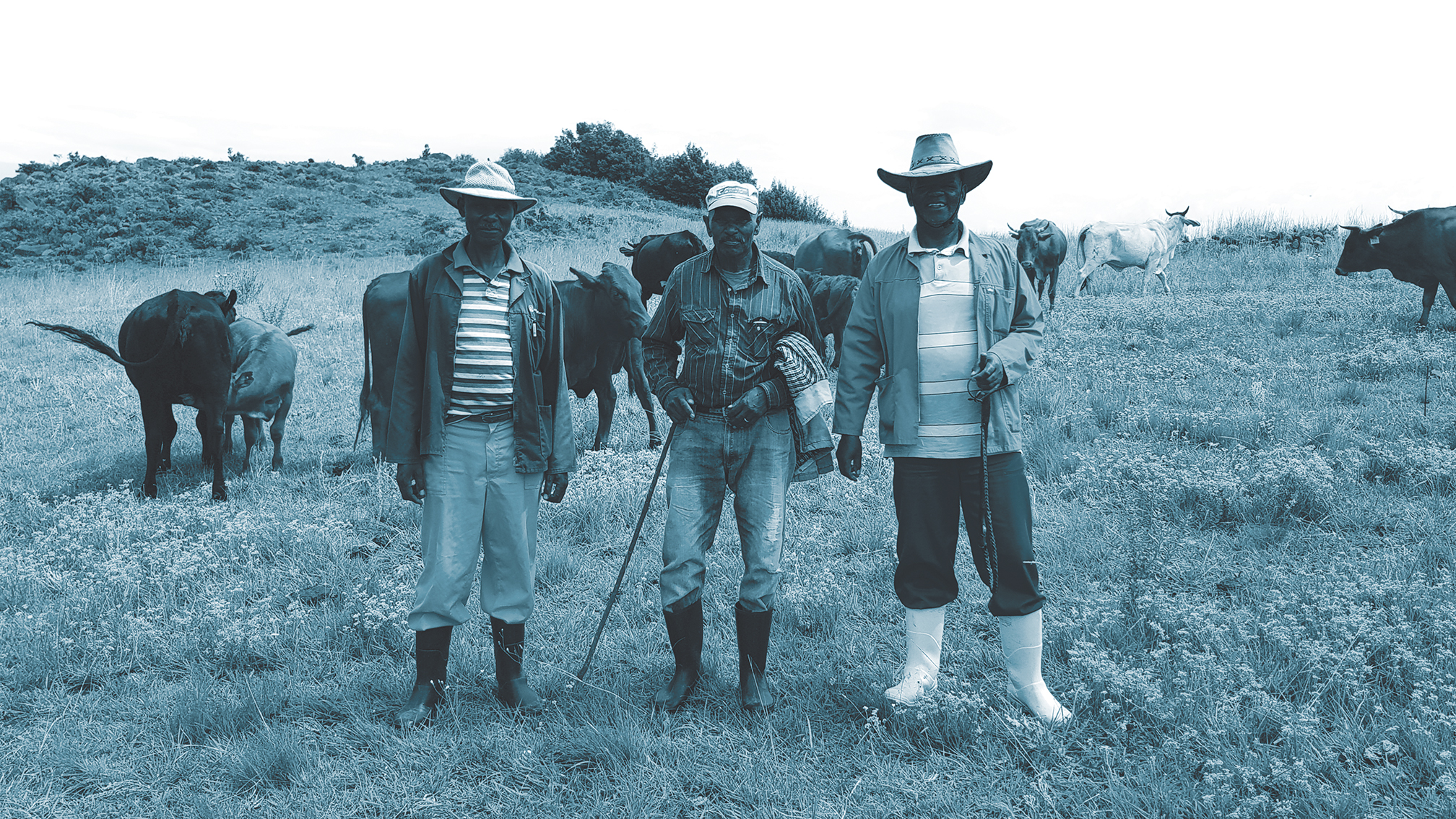
As one of 11 U.S.-based program partners in USAID’s Cooperative Development Program (CDP), GENEX works with farmers in emerging markets to build cooperative businesses.
Christa Hoffman, business development administrator at GENEX, manages the co-op’s grant programs that support international market development in countries like South Africa and Peru.
“We help train farmers and cooperatives to utilize artificial insemination and improve farm management practices that, long term, allow us to be a sustainable commercial partner with them,” Hoffman says. “We have GENEX distributors already working in these countries, so it’s really about expanding services and being able to help market development in ways that traditional business functions otherwise don’t.”
Through its CDP efforts, GENEX helps farmers improve cattle reproduction and farm management, which results in increased output of milk and meat, which in turn leads to increased income, Hoffman says. Local staff serve as mentors and have the ability to become integrated into the cooperatives they support.
In 2018, GENEX received a five-year, $7.7 million USAID grant to expand efforts to support South African and Peruvian dairy and beef producers and their cooperatives. Since then, GENEX has worked with 33 cooperatives with more than 3,000 members in Peru and South Africa to help improve their business systems and governance that resulted in increased sales and services.
The current GENEX CDP program has mobilized more than $3.5 million in investments from public and private partners to support the long-term success of the cooperatives and their farmer members.
These investments have allowed cooperative members to purchase automated milking equipment to increase the output and quality of their product, and enabled access to local economic development funds to purchase vehicles and tractors to support members and transport products to the market.
As GENEX enters its final year of active development in South Africa and Peru, the co-op is already gearing up for its next round of projects. GENEX received an $8.7 million USAID grant Oct. 1 to support development work in Kenya, Uganda and Nigeria over the next five years.
While five years may seem like a long time, farmers are just starting to see the benefits in that time. This is why taking a holistic approach to development is key, Hoffman says.
“These projects take time for farmers to see the impact of the improved genetics, so we’re very focused on also helping them make general farm management improvements that range from integrating farm recordkeeping systems to soil sampling so they can grow enough feed for their cattle as well,” she says.
GENEX has been doing international development work for more than 20 years, and Hoffman says it’s unique as a commercial business pursuing grant opportunities to support development projects internationally.
“Being a cooperative actually allows us to apply for these grants with the U.S. government,” she says. “[It aligns with] our core principles as a cooperative, which are helping communities and working together.”
GENEX generations
GENEX’s focus on generations is twofold — breeding generations of sustainable, productive cattle for members and customers, and establishing the next generation of industry leaders.
Terri Dallas, retiring vice president of member relations, points out that there are fewer agricultural co-ops than there once were — and the number continues to decline. According to the USDA’s most recent Agricultural Cooperative Statistics Summary, in 2021 there were 1,699 farmer, rancher and fishery co-ops, down from 1,744 in 2020 and 1,779 in 2019.
“Our members are very dedicated to us, but things have changed too,” Dallas says. “Years ago, everybody bought everything from co-ops. It’s a work in progress to keep the co-op model going and to keep that next generation engaged.”
Part of that work involves educating the next generation about what careers in agriculture look like as technology and automation continue to evolve.
“There’s a lot of technology that you get to work with,” te Plate says. “It’s a different ballgame, but finding and keeping talent is probably the number one challenge that we have.”
In addition to talent recruitment, supply and demand of dairy products and fluctuating prices and farmers’ margins have presented challenges as well.
“Last year was an awesome year for dairy farmers around the world, so milk production increased,” te Plate says. “This year, what we’re seeing is globally higher interest rates. People have less money to spend on dairy products, so you see a decrease in milk prices. The fluctuation is a challenging situation.”
But while the market has endured some instability the past year, according to te Plate, the future is bright.
“We saw half a year of feast and then some famine after that,” he admits, “but we expect 2024 and 2025 to be getting back into a growth mode in our industry.”

