


The future of the workforce is always top of mind for area companies that struggle to find skilled talent, and often the answer lies in building the right partnerships.
As businesses seek more ways to find skilled workers and to develop talent from within, they’re turning to K-12 schools to help align curricula with future workforce needs.
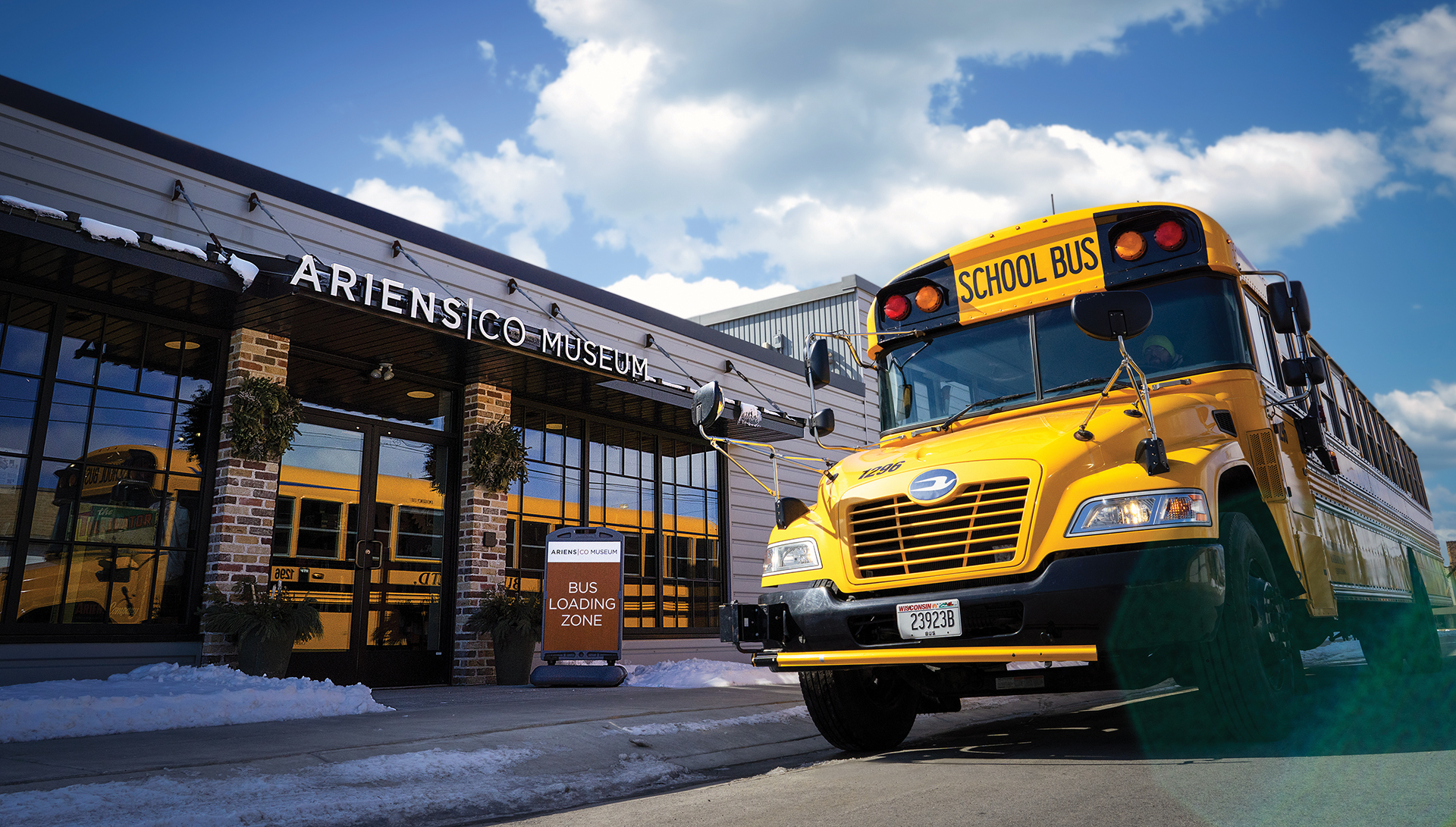
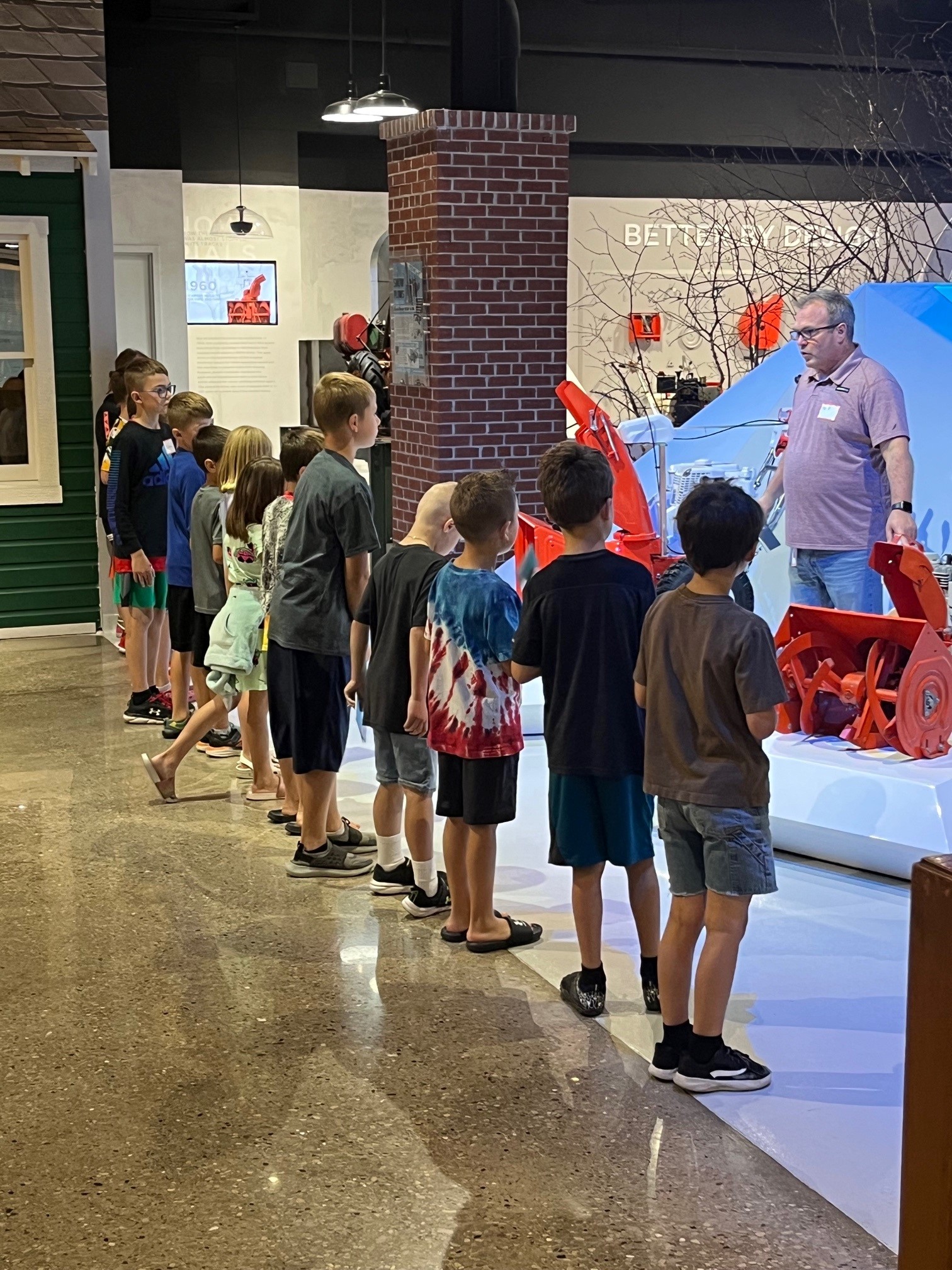
For example, companies like AriensCo in Brillion have been expanding on their programs to connect with students. The AriensCo Museum offers “hands-on education learning opportunities that students can’t experience in the classroom, from interactive exhibits tied to our business and company history and tailored STEM activities for school groups,” says Alissa Beyer, senior director of hospitality and corporate communications for AriensCo.
The museum currently offers tours to school groups, primarily focused on fifth grade and younger. “We are working on reviewing and updating our curriculum to both refresh it as well as expand it for additional, higher grade levels,” she says. “Our goal is to provide an engaging and enriching educational experience for students of all grade levels.”
These experiences are valuable because they help equip community members, students and the company for the future, she says.
While manufacturing is one of the primary industry focuses, educators and businesses also have been working on prepping K-12 students for other career areas, including communications. Woodward Communications, Inc., which owns Insight Publications, participates in Appleton East’s new “Classroom to Career: Keeping it Local” program.
Activities have included visiting classrooms as well as hosting groups at the office, talking with students about communications careers, and offering hands-on experience in creating, recording and producing audio content, says Karen Coonen, launch studio coordinator for Appleton East High School.
The program also is helping teachers understand the evolving skills needs for industry as well as how current classes translate into specific jobs, which helps students make that connection.
“What I love to see is the lights going on with both the teachers and the businesspeople,” Coonen says. “And then toward the end go, ‘Well, how can we work together on this? What do you need us to do? And what do you need us to do to help people get prepared?’ So that was wonderful.”
The Appleton Area School District overall has a robust academic and career planning program and hosts charter schools at all three high schools. “We’re tapping all different kinds of businesses in all different kinds of ways,” Coonen says. “Sometimes we bring business reps into the classroom to talk to specific students enrolled in a particular course. Sometimes we just bring somebody in and we open it up to the whole school and say, if you’d like to learn more about this, now’s your opportunity.”
After these experiences, some students become interested in careers they previously knew nothing about, Coonen says. Others might discover a career isn’t for them.
“And to me, that’s a successful experience because it gave them the information to say, ‘OK, I’m going to put that lower on the list,’ because you have to sift things out and figure out what to focus on,” Coonen says.
“We want to make sure that students know that it’s not just one path to success; it’s about their academic and career plan,” says Kristin Comerford, Appleton Area School District’s coordinator for career-based learning & technical education. There are many ways for businesses to be involved, including through business advisory boards, and the district even has published a Business Engagement Resource Guide on its website to explain all the opportunities available.
“Our businesses are key to our success,” Comerford says. “We know that we have a lot of talent in our community, and we want to connect our students there for that next step.”
Pierce Manufacturing is one of the district’s strong partners, also participating in the “Classroom to Career: Keeping it Local” program and offering many tours and discussions with students and teachers. Gulfstream is another company that is deeply involved, and while Comerford was speaking with Insight for this article, she was leading a Gulfstream-sponsored school field trip to Chicago with 70 students. The trip was part of a student leadership program and included discussion of culture, life experiences and opportunities.
“But I think for educators also, they’re seeing how they better can equip our students in the classroom for the current job needs because it is different from when we were all in their shoes,” Comerford says. “As high school students, the job demand is different, and as we build the capacity of our educators, they bring that down to our students to help guide them.”

Aimee Herrick, director of events & emerging talent at the Fox Cities Chamber — and a former high school English teacher — founded the chamber’s Emerging Talent Alliance to connect business professionals, K-12 and post‑secondary educators on preparing students for the local workforce.
The alliance also has been helping to build career-focused chamber events and initiatives, including the STEAM career‑focused Smart Girls Rock!, the Future Fox Cities Career Expo, and the Excellence in Education Awards, which celebrates teachers — who are the first link to emerging talent.
“The more that we can educate our teachers on what’s available in the area, what are the career clusters that we have, what are the job opportunities that are available … the more that students themselves will know,” Herrick says.
As a former teacher, Herrick has seen firsthand the impact businesses can have, such as when she hosted local businesses in her classroom to conduct mock interviews.
“Some students got summer internships out of just doing the mock interview for an hour with the business leaders,” Herrick says. In her new role, she’s able to connect schools with businesses. And with 16 school districts throughout the chamber region, the potential is great.
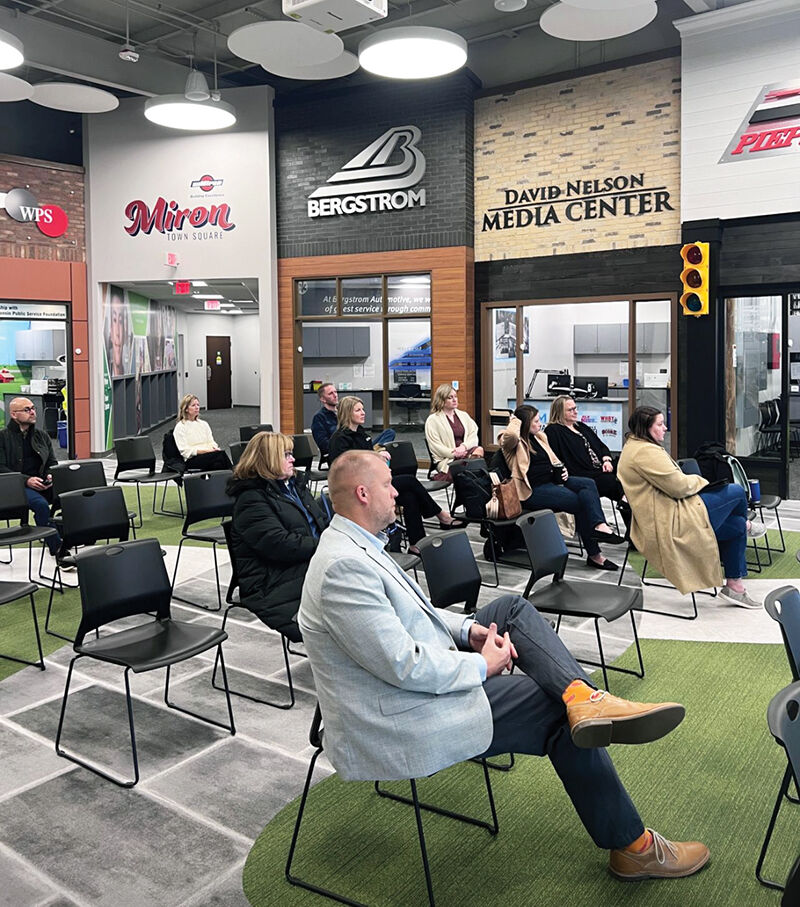
“We need to be supporting our teachers and our school districts in order to have a strong local workforce,” Herrick says. “And, as the Fox Cities Chamber, we want to keep our talent in the area. So we need businesses and schools to work together in order to address the needs that we all collectively have and see what we can make happen.”
Fox Valley Technical College, which participates in the chamber’s alliance, partners with 55 area high schools to offer dual college credit. This gives students access to FVTC-certified curriculum, with FVTC faculty mentoring high school teachers.
“On average, we serve about 7,000 high school students each year,” says Jennifer Van Thiel, manager of K-12 Partnerships at FVTC. Last year those students earned 24,000 credits, the equivalent of $4.9 million in tuition saved, Van Thiel says. Students in good standing also have the option to attend college courses that aren’t available in the high schools.
In the past two years, Van Thiel says, the college and school districts have placed an emphasis on building purposeful early college credit pathways so that the credits students earn seamlessly dovetail into degree programs.
FVTC also has a partnership event each fall and spring, bringing K-12 staff and industry leaders together, helping them connect curriculum to workforce needs, which in turn can help students connect the dots between their classes and their interests.
FVTC was also part of a workforce development program initiated by Outagamie County, which directed American Rescue Plan Act grant dollars to Children’s Wisconsin to develop a program to help students learn about high-demand health care careers.
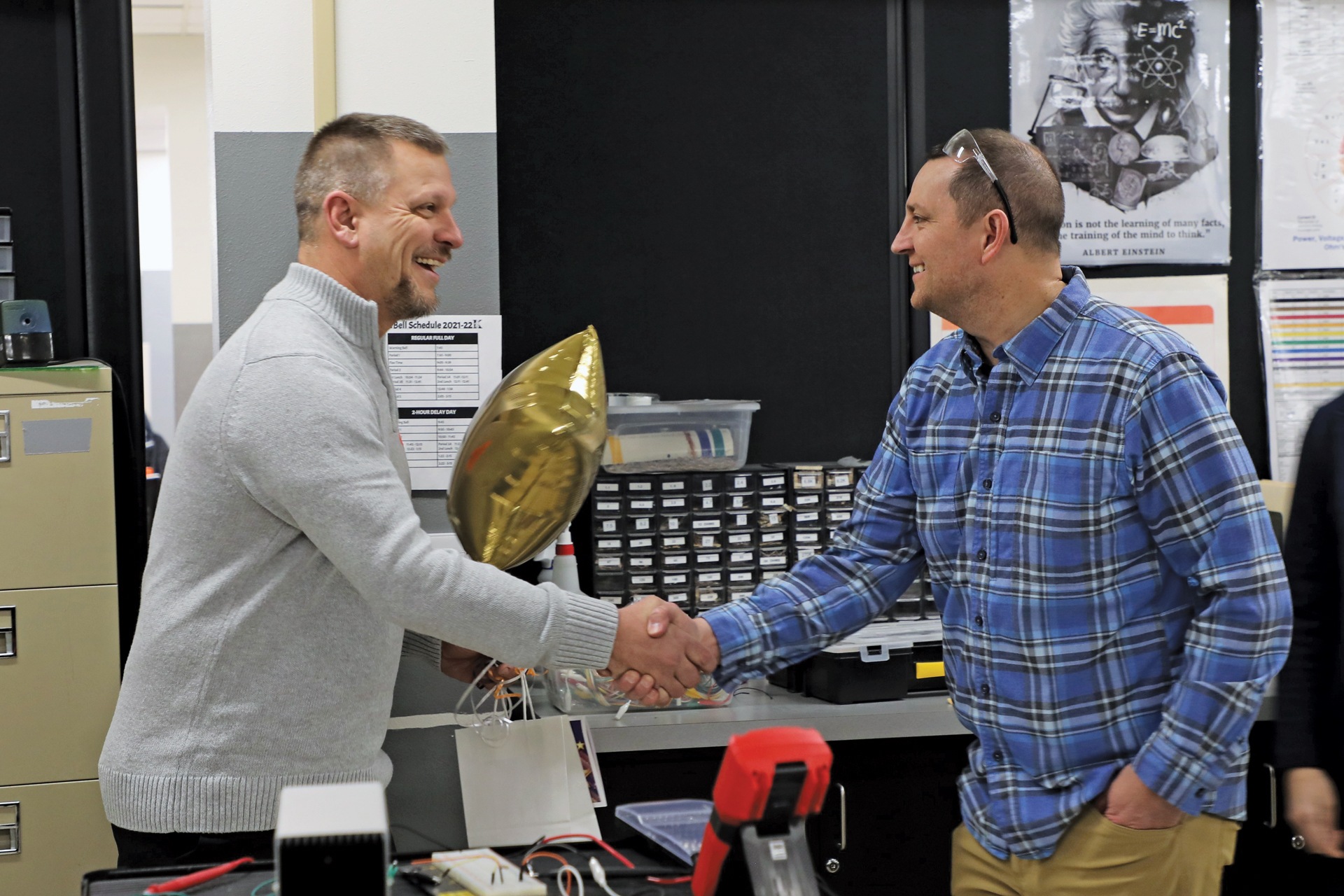
Students are often unfamiliar with the diverse types of health care careers available, Van Thiel says. Bringing students to the campus to showcase programs or to a business to see the work in action can make all the difference. “Because how can somebody make an educated decision on what they want to do if they don’t know what all their options are?” she says.
That philosophy extends to educators as well. This month, hundreds of Appleton School District staff members will be visiting FVTC to learn about different career pathways, including discussions with employers and breakout sessions to talk about improving the classroom experience for students, Van Thiel says.
“There’s just a huge emphasis on better preparing students for their future and making sure that they have a clearer understanding of what’s out there,” Van Thiel says.
Districts around the region are working on this effort. Little Chute School District hosts an eight-month ConnectED Community Cohort series of breakfast meetings to build partnerships and talk about its programming. Kaukauna has a similar series called Ghost Academy.
“It’s really about bringing community together and helping people understand the education system, everything that goes into it, the struggles that they’re facing,” Van Thiel says. “Because schools can’t do it alone.”
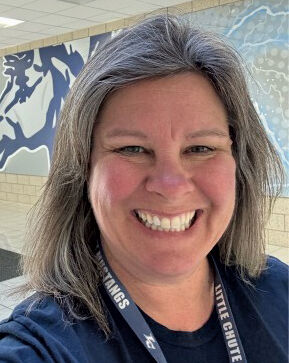
Heidi Schmidt, district administrator of the Little Chute Area School District, says the chamber’s Emerging Talent Alliance builds connections that open opportunities for students such as youth apprenticeships, job shadows and speakers, “and most importantly, giving our students real-life applications to what they’re learning in the classroom,” Schmidt says.
“What we really try to stress is it’s not only about learning what you want to do after high school, it’s also about learning what you don’t want to do,” Schmidt says. “And I want kids to try that on during their public education.”
High school education in general is shifting from being content‑based to being more about workability skills, Schmidt says. “We don’t want to just develop and give students the opportunity to be really good at math. We want to grow mathematicians and problem solvers and students that can think about critical thinking,” she says. “Through multiple opportunities and getting away from just that textbook learning, I think that’s what really makes their education a much richer experience.”