
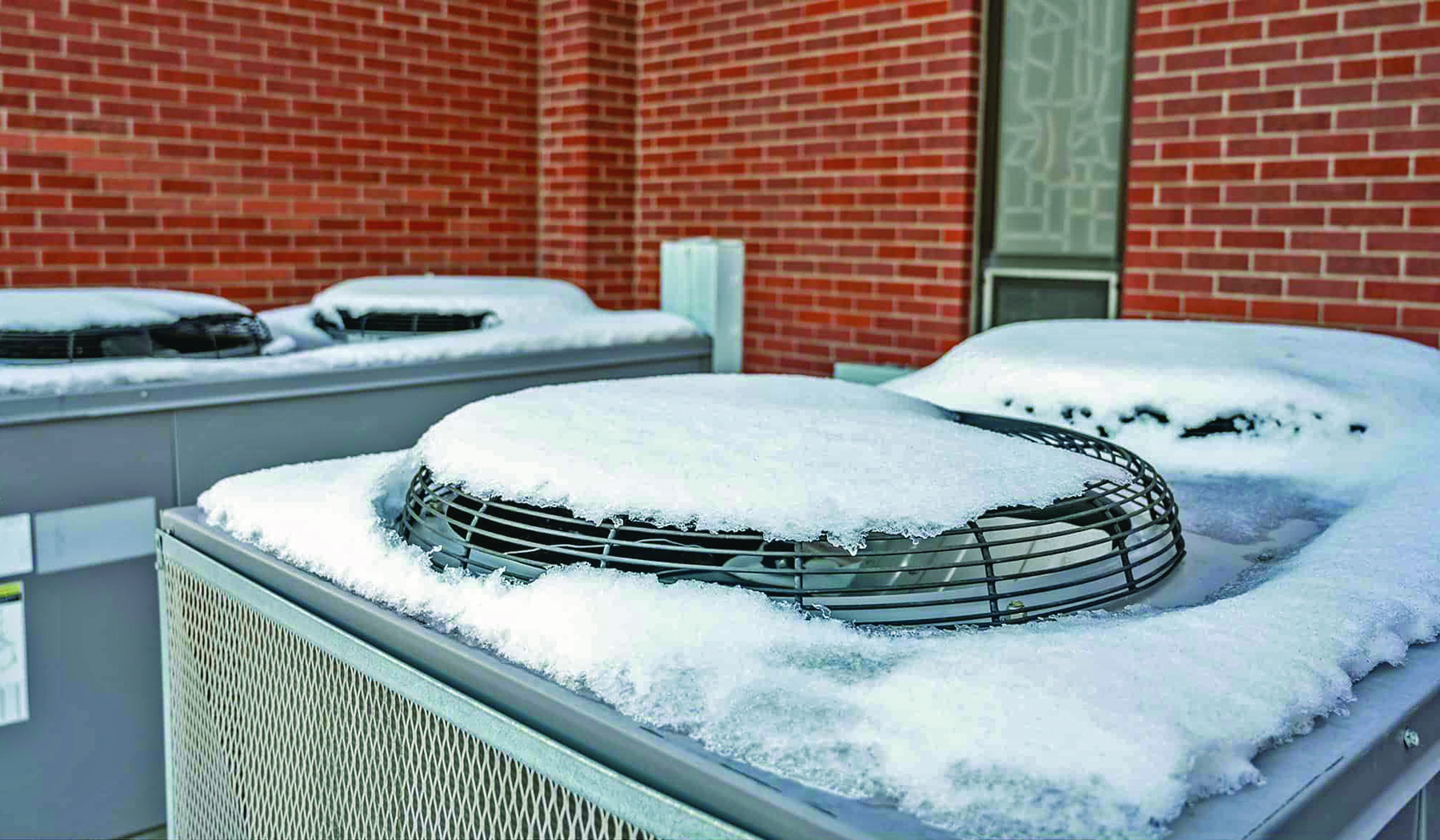
As a business owner in Wisconsin, you already know how critical it is to have reliable heating once temperatures drop. Heat impacts comfort, productivity, safety and, sometimes, even whether your business can operate. Let’s walk through the basics of preparing your HVAC system before winter so you can stay ahead of issues.
Business HVAC systems: What kinds are we talking about?
When you think about HVAC in a commercial setting, there’s no one-size-fits-all system. Many businesses rely on forced air, while others may use rooftop units with gas burners. You’ll also find hot water boiler setups and even steam radiators in older buildings. Regardless of the type of system you have, each one benefits from proactive maintenance. The goal is simple: avoid the disruptions that occur when heating systems fail in the middle of a Wisconsin cold snap.
Common issues when the cold sets in
The biggest problems usually show up when maintenance has been neglected. For example, I’ve seen schools shut down for a day or more because their boiler wasn’t serviced properly. In manufacturing or health care settings, downtime caused by a heating failure can halt production or put people at risk.
Boiler systems in particular need consistent attention. If heat exchangers aren’t cleaned or water treatment is skipped, you could face costly failures. Misaligned pumps and neglected bearing assemblies can wear out couplings, leading to breakdowns at the worst possible time. Even something as simple as ignoring belt replacements or fan bearings on rooftop units can escalate into no-heat emergencies.
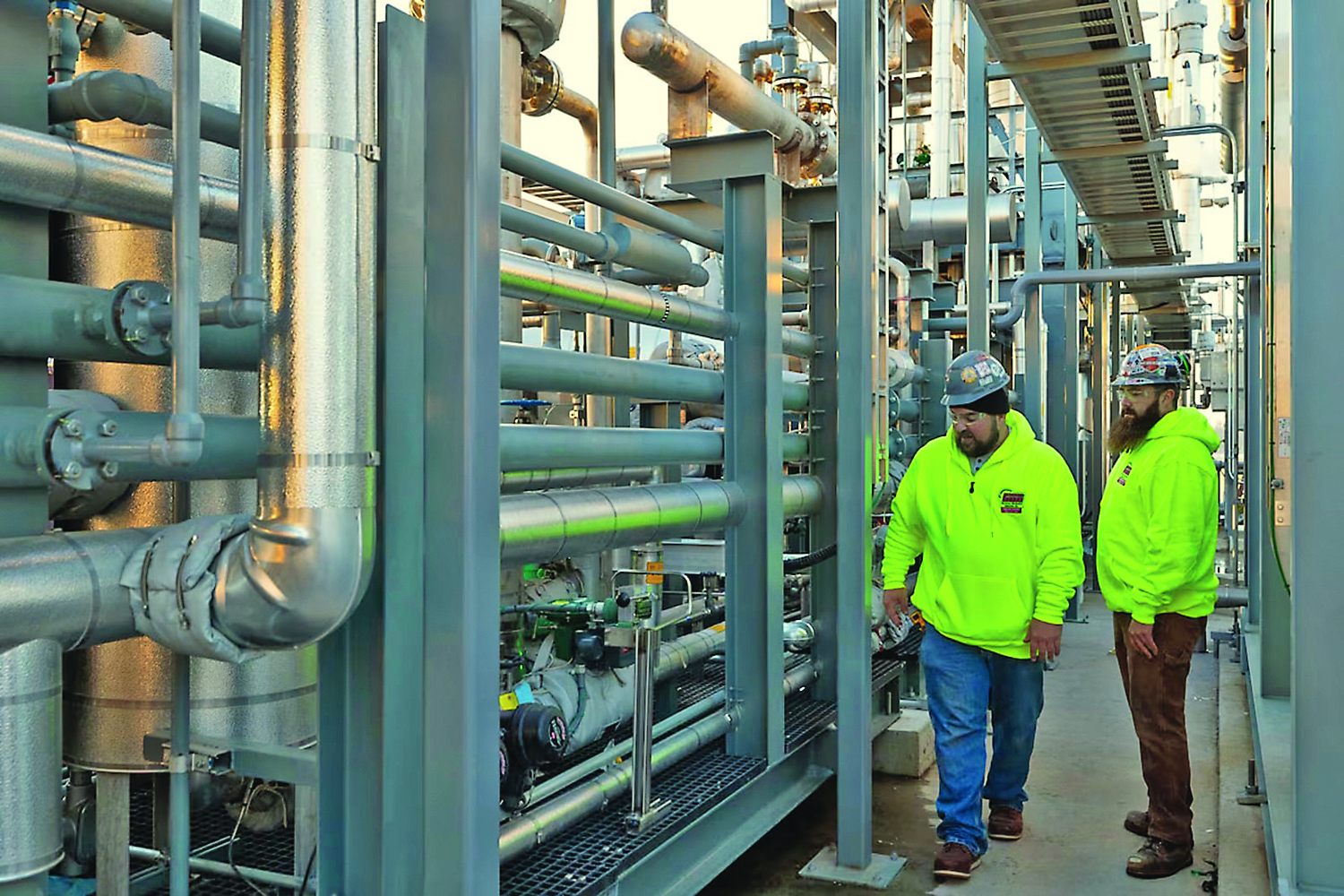
In our climate, once something freezes, it doesn’t thaw on its own. Frozen pipes can burst, leading to water damage on top of the heating problem. That’s why preventative maintenance pays for itself many times over.
How and when to prepare for winter
The right time to prepare is late summer into early fall. Schedule a professional inspection where technicians will clean heat exchangers, check safeties and emergency stops, perform combustion analysis and test pumps and belts. High-efficiency boilers should be serviced annually, and air filters should always be replaced before heavy use begins.
Warning signs you should never ignore include noisy belts, strange smells, uneven heating or a carbon monoxide detector going off. If the system is struggling in October, it won’t get better in January.
Larger or critical facilities, such as hospitals, schools or manufacturing facilities, may need more thorough maintenance plans, including tracking the age of equipment and budgeting for replacement. Knowing your rooftop unit is 18 years old or your boiler is 25 years old allows you to plan rather than be blindsided.
Final advice
If I could give you one piece of advice, it would be this: Don’t skip maintenance. Find a contractor you trust, establish a schedule and stick to it. Routine upkeep extends the life of your equipment and saves energy. By far, it’s the simplest way to avoid the crisis calls I’ve gotten too many times. The last thing you want is emergency service on a minus-20°F weekend when repairs are more expensive and your employees or customers are left in the cold. Winter will be here soon enough. Make sure your building is ready.
The views and opinions expressed in this article are those of the author and do not necessarily reflect the official policy or position of Insight Publications, a division of Woodward Communications, Inc.