
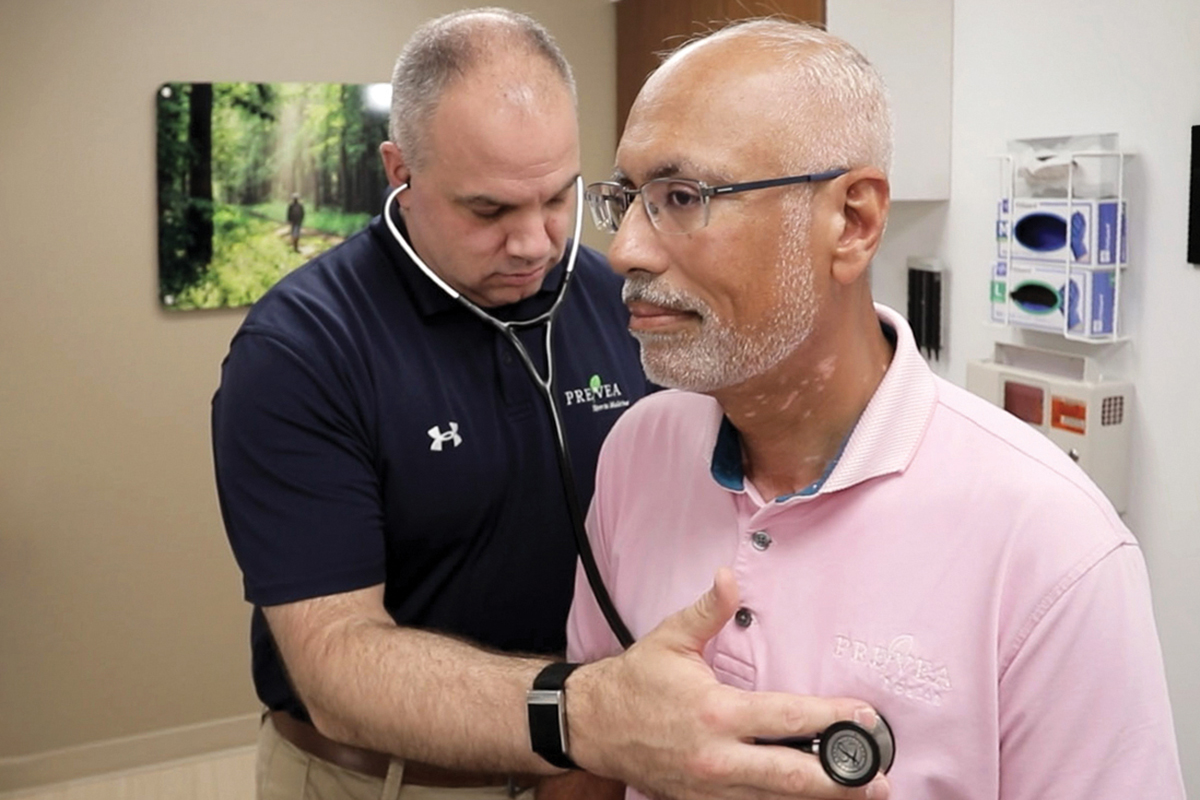

Ashok Rai admits he should have known better.
Trained as an internal medicine physician and CEO of Green Bay-based Prevea, Rai went several years without seeing his primary care practitioner. Then nearly four years ago, he started noticing some cardiac symptoms. After a stretch of three or four appointments where doctors kept finding something else wrong, Rai’s doctors diagnosed him with high cholesterol, uncontrolled Type 2 diabetes and heart disease that required surgery to repair a heart valve.
“Physicians are humans, and when it comes to our own bodies we seem to rationalize things and then tend not to deal with them,” Rai says. “We’re busy. As a CEO, I work a lot of hours and I kind of blew things off, like being tired or having low energy levels or other things.”
Rai is now using his experience to encourage others to not ignore their health and make sure they visit their primary care providers each year for annual checkups.
“I really had no idea how bad [my health] was until I saw my doctor and I’m a doctor myself,” Rai says. “But as I lay there in recovery after open heart surgery, I thought there had to be a reason for me having to go through this, and maybe that reason was I should share my experience and encourage people to not put off seeing their doctors so they could avoid going through what I went through.”
As a leader of a health care system, Rai went about taking steps to make it easier for patients to see their primary care providers, such as being able to make appointments 24/7 on the Prevea app and hiring more providers, making it easier for patients to get in.
“If someone had 5 or 10 minutes on a Sunday night and they thought, ‘I should make that appointment,’ they can now go on and do so,” he says. “We don’t want to be the excuse that you don’t come in. We don’t want to make it hard to make an appointment.”
Besides making it easier to make appointments, Prevea also has social media and ad campaigns to encourage people to schedule visits with their primary care providers.
“The best thing you can ever do for your career is to take care of yourself.”
Ashok Rai • CEO, Prevea
Never too busy
In 2022, when Rai’s health troubles came to a head, the country and Prevea were coming out of the pandemic. Rai was not only under stress at work as health care organizations struggled with everything related with the pandemic, he was also in the public eye as a frequent media spokesperson on public health, providing information to community members about how to stay healthy.
“There was a bit going on at work,” Rai says wryly.
Business executives — and men in particular — get characterized as not taking time for their own health care. While women normally see their doctors annually related to their reproductive health, men can go years without seeing a primary care provider.
“It’s all too common for men to skip seeing a primary care physician for years,” says Rory Fry, a primary care physician at the Prevea Clinic in Grand Chute. “There’s not really anything we’re monitoring for men in their 20s and their 30s, but these appointments are about prevention, too.”
Andrew Maes of ThedaCare Urology-Berlin says business leaders should think about their health like a business problem: “Wouldn’t it be better to find a problem in a business early on? Or even better, we can prevent a problem. That’s what we can do in annual wellness checks.”
Busy professionals should understand the importance of taking an hour once a year to see their primary providers, Maes says: “It’s a mindshift — you need to take time away to set yourself up for success.”
Maes says providers begin looking for signs of chronic diseases, such as heart disease, long before they appear, since changes can be made. “We can make changes to the diet or people can begin exercising to prevent any damage from happening,” he says.
Meeting with a provider on an annual basis allows you to build a relationship, which will be helpful if you get sick, Fry says.
“It’s important to get to know a provider when you’re healthy so I can get to know what you’re like before you get sick,” he says. “At some point in your life, your health will become a priority. Either you will make it a priority, or it will make itself a priority.”
Most people let their careers consume a good chunk of who they are and view taking any time off for themselves as a failure, Rai says. The opposite is true, he says.
“The best thing you can ever do for your career is to take care of yourself.”
Rai says the same goes for your family.
“As men, we believe we have to take care of our family, and I’ll tell you one way you can take care of your family is making sure you’re there,” he says. “Taking care of yourself and going to the doctor is one way to do that.”
Through patient eyes
Rai’s personal experience provided him with another view of the health system he runs — this time, from the patient’s viewpoint. And it wasn’t always easy.
“I learned a lot of the fear, and even anger, that patients can go through because I went through all those stages. I couldn’t deny the numbers the doctor showed me,” he says. “I now have a chronic disease that I’m not going to be able to shake for the rest of my life. I’ll never not be a patient now. That’s a humbling experience for a physician.”
While Rai admits he had access other patients didn’t, such as being able to text a doctor to get an appointment or talk to a specialty partner, he still needed assistance navigating his own health care at times.
“I thought about someone who’s not me, who’s not a health care executive or a physician and still needed help along the way; I learned a lot. It got me thinking — are we making it easy to understand for our patients?” Rai says. “Are we really putting ourselves in that patient’s chair, reading that message or reading that letter from us and making sure they understand and if they don’t understand, how can we help them?”
Rai called his patient experience “one of the most humbling” things he’s been through, but he also says it was very educational “because it really changed how I saw what patients went through and kind of changed how I view my job.”
“It’s a mindshift — you need to take time away to set yourself up for success.”
Andrew Maes • urologist, ThedaCare Urology-Berlin
Moving forward
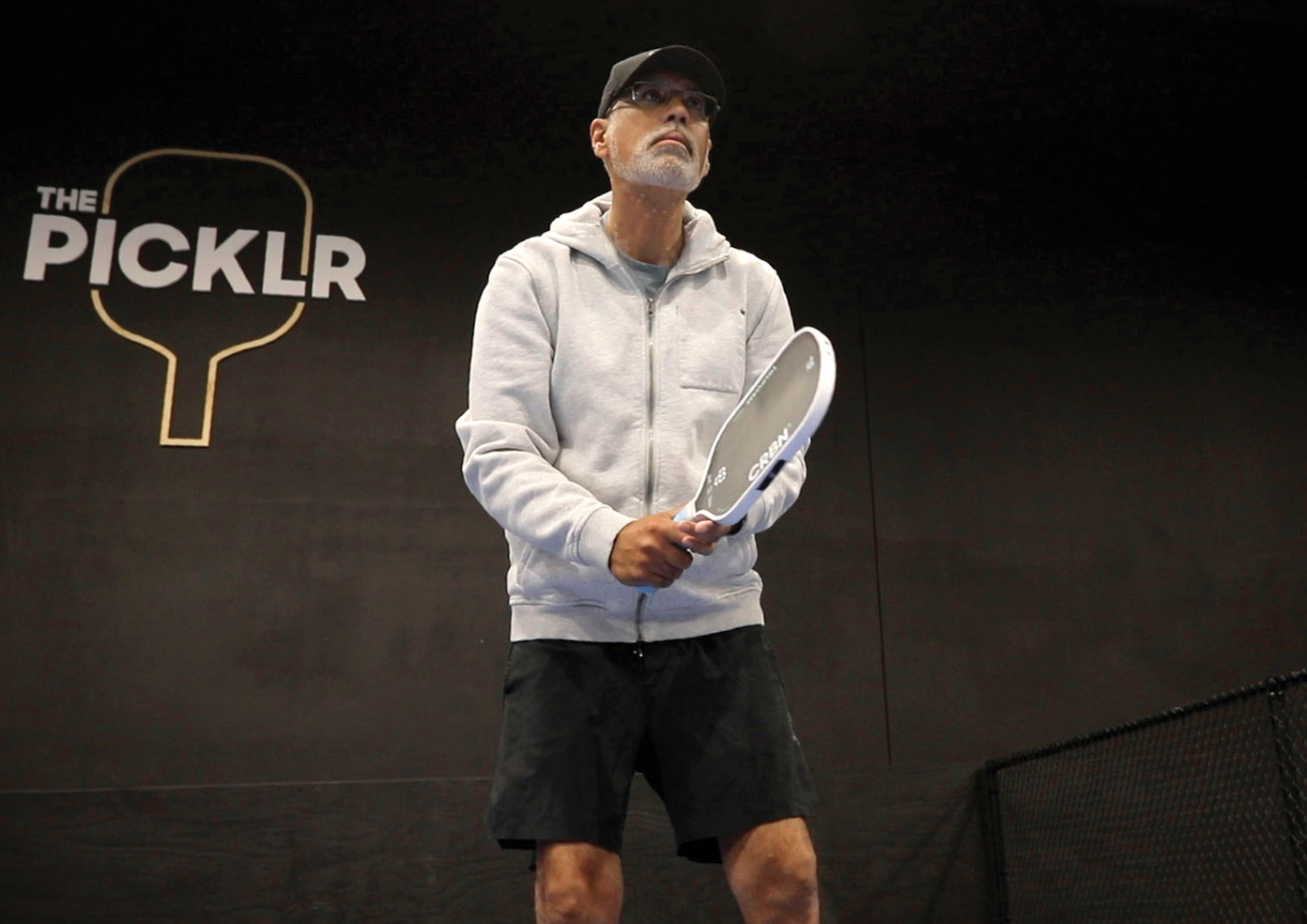
After going through open heart surgery and being diagnosed with Type 2 diabetes, Rai’s life changed. He wears a continuous glucose monitoring device and takes multiple medications. He adjusted his diet and started playing pickleball, which he says is not only good exercise, but a good stress reliever.
“If you think about it, you wake up every morning, you get up early, you get in the car, you get there, you get to hit something really hard for an hour straight, burn off some calories and then all of a sudden you’re at work and you’re like, wasn’t that a great way to start my day?” Rai says.
He’s also trying Pilates to get him moving, plus meets with a mental health therapist to make sure he’s mentally in the right place.
“It’s kind of weird putting all your medical history out there for everybody to see and now if you see someone at the grocery store, they’re probably judging what’s in my grocery cart, but I didn’t want my experience to go to waste,” Rai says. “If I can change one person’s perspective about their own health or help someone navigate their own experience, I want to be able to do that.”