
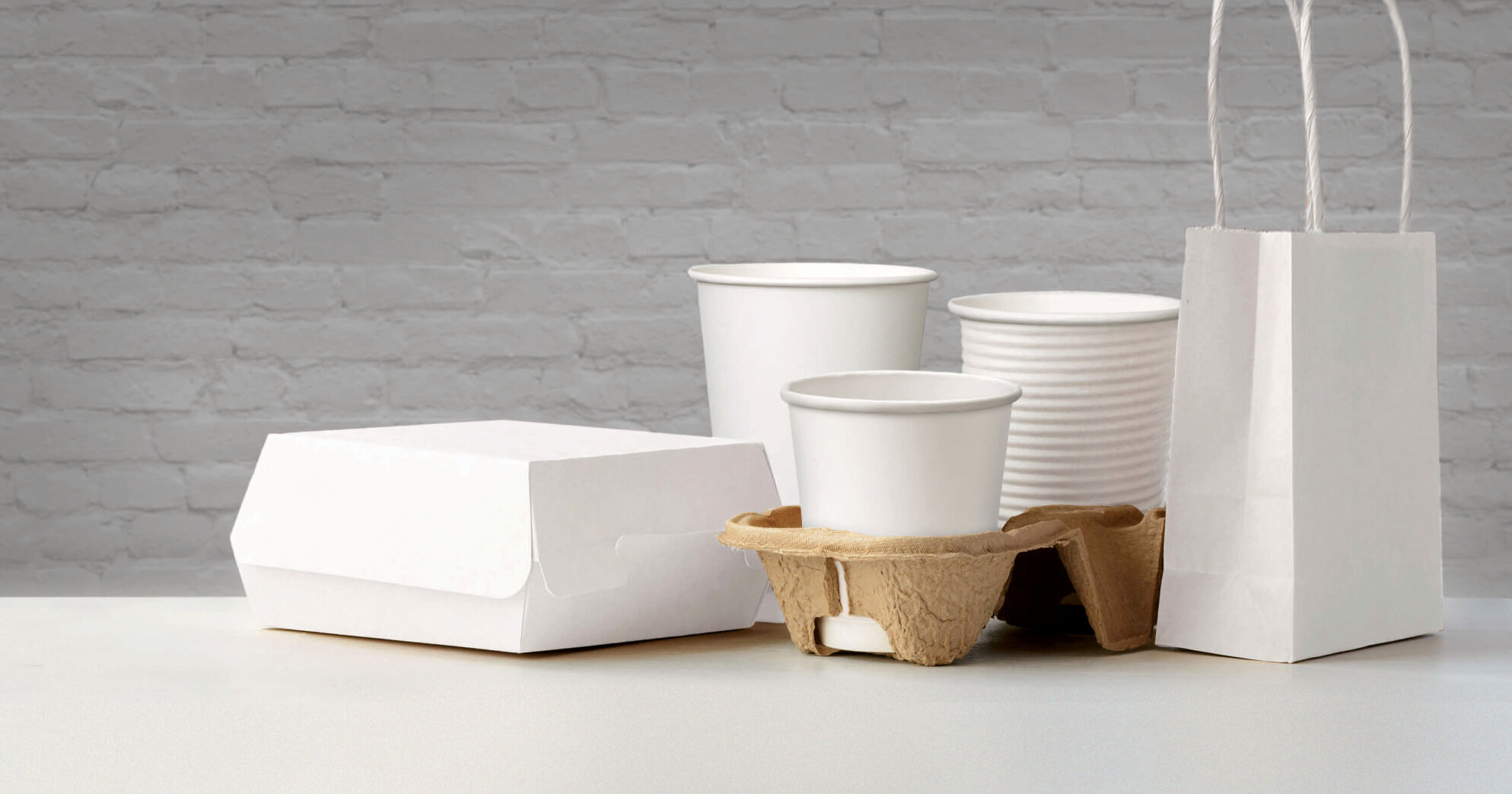
For Zack Leimkuehler, unboxing a package from an online retailer can lead to a sinking feeling.
“The worst thing I do is I open (a package) and see a box full of Styrofoam peanuts,” he says, adding that not only do they create a mess for consumers, but they also take up space in landfills and can take centuries to decompose.
Leimkuehler, vice president of the Technical Solutions Business Unit for Ahlstrom-Munksjö, envisions a future where consumers can open a box and throw all pieces of the packaging into the recycling bin. The company, which specializes in fiber-based materials solutions, aims to expand the boundaries of typical packaging and to find replacement solutions for all non-renewable elements.
“Where is the value challenge and how do we address that? Sometimes it’s transparency because you need to see what’s in the package. Sometimes it’s cushioning. You need to make sure something doesn’t break. Sometimes it’s thermal insulation,” Leimkuehler says.
In the realm of e-commerce, which has become even more popular during the pandemic, Ahlstrom-Munksjö offers its PurposeFil line of packaging products designed to help meet several sustainability goals. The fiber-based line can deliver many benefits, including decreasing packaging weight, creating less waste, providing package integrity and safety, and offering diverse levels of protection for goods.
Addie Teeters, head of marketing, communications and public affairs for Ahlstrom-Munksjö, says the company weaves sustainability into all efforts, from certifying and auditing the forests from which it draws to developing solutions related to composting and recycling.
“The paper industry has always been, by nature, green and sustainable because we use natural, raw materials for our end-use products,” she says.
Leimkuehler adds that the paper industry has “taken a lot of hits” in the past two decades stemming from an increasing turn toward digitalization. He sees sustainable packaging as one avenue for the industry to expand its footprint and relevance.
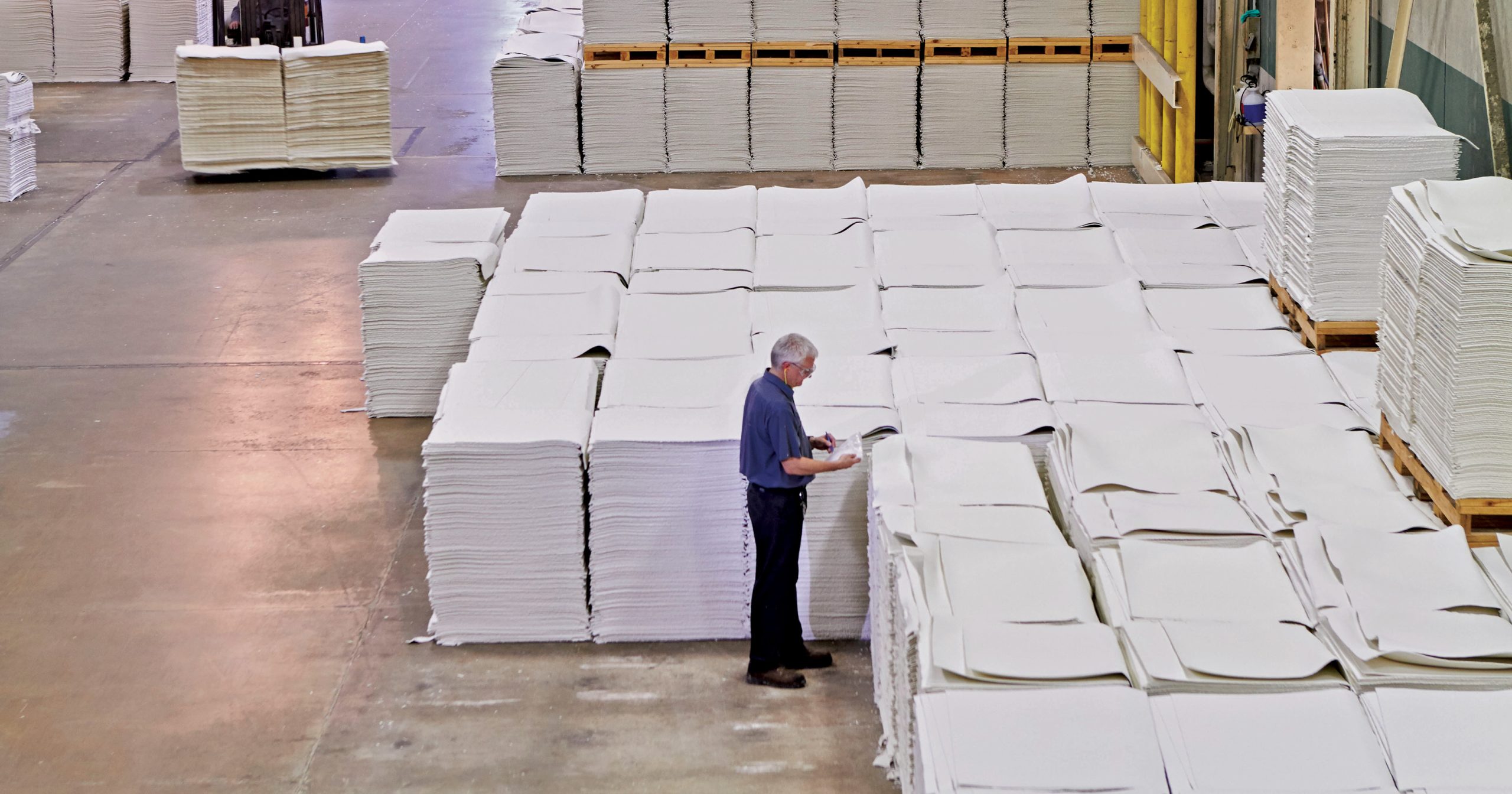
Sustana Group, a manufacturer of premium, sustainable recycled fiber and paper products, sees a similar opportunity. The company has recycled fiber mills in De Pere and Quebec, Canada, as well as a paper mill in Quebec that makes recycled paper.
The manufacturer’s product line includes a suite of recycled fiber offerings. Its EnviroLife product is a Food and Drug Administration-compliant option for use in direct food contact packaging, and its EnviroNatural line provides 100 percent recycled natural fiber for the food packaging industry.
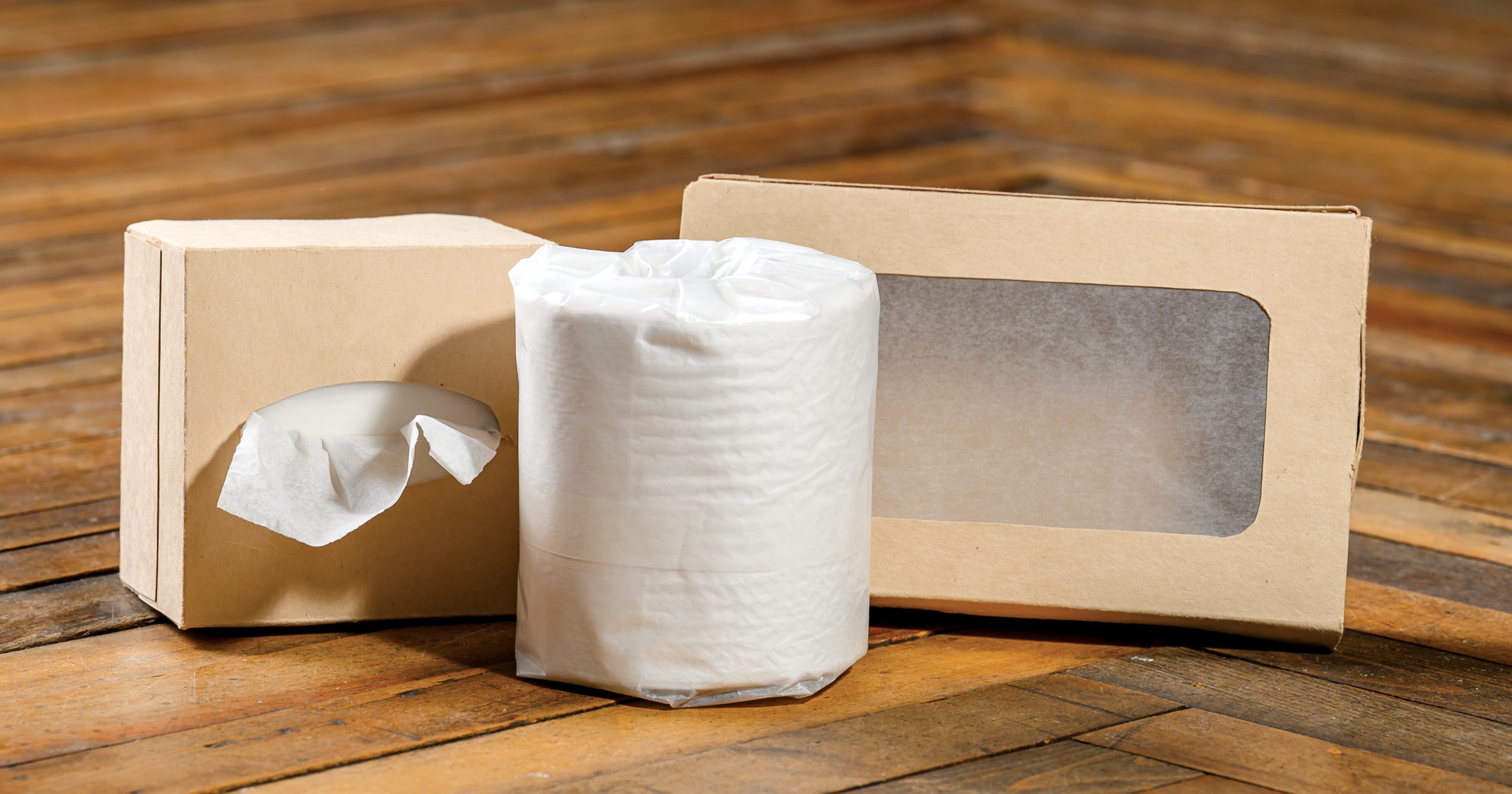
EnviroTouch provides tissue makers a source of clean recycled fiber, and EnviroBright is a 100 percent recycled fiber that goes into commercial paper production.
Renee Yardley, senior vice president of sales and marketing for Sustana, says the company works with brand owners to make sure they are a “key partner in the circular economy” and in the supply chain. The goal is to ensure that fiber stays in the economy and gets put to use in other applications.
Yardley says brand owners are leading the charge in offering more sustainable packaging options, spurred in large part by consumer demand. “It’s the end consumer that is getting the companies to take on the sustainability initiatives. It’s really companies and brands that are going to bring about these changes quickly.”
Each year, Sustana recycles enough paper to reduce landfill space by 1 million cubic yards and makes 318,000 tons of paper into new recycled products.
COVID-19 has affected Sustana’s source of fiber, which has traditionally been paper recycled from use in office buildings and schools. The company has instead turned to recycling gable top and aseptic containers, which offer an excellent source of fiber. The manufacturer’s Quebec mill has a shredder that breaks down cartons to make processing them more efficient. This helps meet the demand of brand owners that are increasingly turning to Sustana as a supply chain partner.
Leimkuehler says gaining ground in sustainable packaging will require some education efforts. Companies within the supply chain must learn more about what it means for a product to be recyclable or compostable.
Companies also will have to educate consumers. For example, people who expect a bag of chips to look and sound a certain way when it’s packaged in film need to understand that a paper package might look unfamiliar and fold up in a way that’s different, Teeters says. Municipalities need to get involved as well and explore offering composting services.
“It’s worth it because no matter what you’re doing with that end package, you’re not going to be leaving your footprint on the earth,” she says.
Leimkuehler says it’s fun to work on the R&D side of the Ahlstrom-Munksjö business. He sees a lot of innovation and exciting possibilities. The industry has “checked all the boxes on the easy stuff,” he says, and now needs to turn to other applications, including creating fiber-based packaging options for products such as cosmetics and pharmaceuticals.
Beyond paper
Reynolds Packaging of Green Bay got its start more than 20 years ago manufacturing bags for confectionary and candy companies. Since 2015, it has increasingly focused on creating sustainable flexible packaging solutions.
The manufacturer offers eco-friendly, 100 percent compostable flexible packaging. Its lineup of compostable products includes herb bags, candy wrappers and cigar tubes.
Companies often come to Reynolds Packaging with their sustainability goals and a desire to get away from using plastics, CEO Lisa Reynolds says, adding that the company stands out for its ability to convert materials into packaging.
“It’s very technical and it’s inherently difficult materials. If you think of plastics and polys, they’re made to last forever,” she says.
Companies and brands must focus on the end of life of products and think about packaging differently to achieve sustainability objectives, Reynolds says. Solutions can come in the form of recyclable films that can be repurposed after use as well as compostable and biodegradable options. Recycling works best for rigid packaging, while compostable is suited for non-recyclable products like flexible packaging.
“We are champions across all three (areas),” Reynolds says.
Consumers are demanding more sustainable packaging, but they also want products to perform well. Keeping snacks fresh in their packaging, for example, requires adding barriers. To create those barriers, Reynolds Packaging can combine multiple types of films and offer solutions tailored to a specific customer’s needs.
The manufacturer has found success through offering fast lead times for customers ranging from small businesses to large brand owners that want to try out many SKUs in the marketplace. Reynolds Packaging can fulfill high-demand orders, including custom-printed packaging available in several varieties.
Creating compostable and biodegradable packaging requires more research and development to ensure the quality level remains high, but Reynolds says the effort is worth it. “Consumers read the labels and the packaging, and if it says it’s a compostable package, they want to know more.”
See it in action
In 2018, Sustana Fiber worked with three other supply chain partners on the “Cup to Cup: Closing the Loop” project, which set out to demonstrate that Starbucks cups could be recycled and turned into new cups. Sustana’s role was to use the old cups as recovered material to manufacture 100 percent recycled fiber compliant with FDA standards for food grade packaging in an economically viable manner. Through the effort, the partners took back 2 million Starbucks cups and recycled them into new products for Starbucks.
Learn more and watch a video about the project at sustanafiber.com/newsroom/cup-cup-closing-loop-partnership-project-starbucks.