
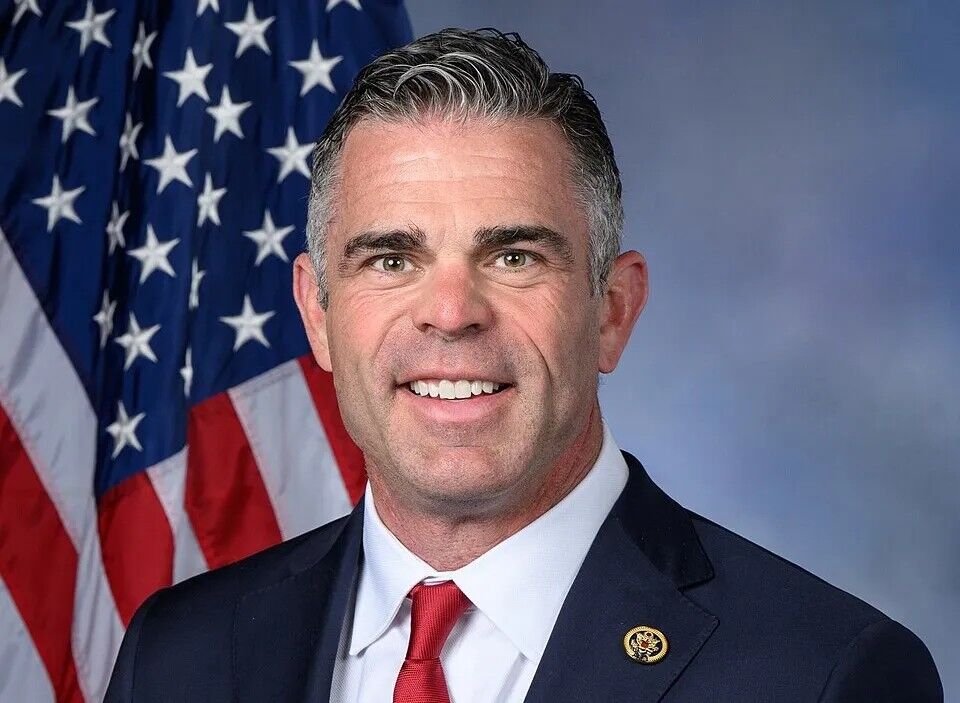

U.S. Rep. Tony Wied, a freshman congressman elected to the Wisconsin 8th in 2024, is no stranger to stock trading.
The Republican represents the northeastern portion of the state, and his investment activity consistently outpaces Wisconsin’s other congressional representatives, according to the Badger Project.
A businessman from De Pere who was elected to his seat by a wide margin in 2024, Wied formerly owned a gas station chain in the Green Bay area. His district encompasses parts of Door County, Green Bay and Appleton. Like every other member of Congress, his seat will be up for grabs this year in the midterm elections. Wied has said publicly he plans to seek reelection.
Wied recently reported buying between $760,000 and $1.6 million in stock between Feb. 3 and Feb. 19, according to The Badger Project’s analysis of Wied’s periodic transaction report. The disclosure laws only require that members report ranges and not exact values. In the same time period, Wied also wholly or partially sold stock valued between about $600,000 and $1.5 million.
Members of Congress are required to file periodic reports with the Clerk of the House about 45 days after they, their spouse or their dependent children buy or sell a financial asset worth more than $1,000. Wied’s most recent report, filed in March, is five pages long and lists 25 separate transactions. His largest single transaction was a purchase of between $500,000 and $1 million in U.S. treasury bills, a low-risk, low-reward investment.
In comparison, no other representative among Wisconsin’s U.S. House members — Reps Mark Pocan, Gwen Moore, Scott Fitzgerald, Derrick Van Orden, Glenn Grothman, Brian Steil and Tom Tiffany — have filed periodic transports in the last year.
Members must also submit yearly financial disclosures, which list their assets and liabilities.
The sum of Wied’s assets disclosed in his latest annual disclosure ranges from about $6 million to $13 million, according to a review by The Badger Project. U.S. Sen. Ron Johnson, who has millions in commercial real estate and stocks, is the only member of Wisconsin’s delegation in Washington to top that. Johnson reported assets ranging from about $17 million to $81 million in 2025.
Wied’s staff wrote in an email to The Badger Project in January that the congressman’s trades are solely managed by an independent financial advisor and that Wied complies with all ethics laws and guidelines.
Wied’s office did not respond to The Badger Project’s request for comment for this story.
Payne told The Badger Project that Wied isn’t on his group’s radar.
“We haven’t seen anything that would draw this congressman to our attention,” Payne said.
But a congressman’s trades can be aboveboard and still raise suspicion because lawmakers who trade at a high volume will eventually make a transaction that either overlaps with their professional duties or appears to, Payne said.