
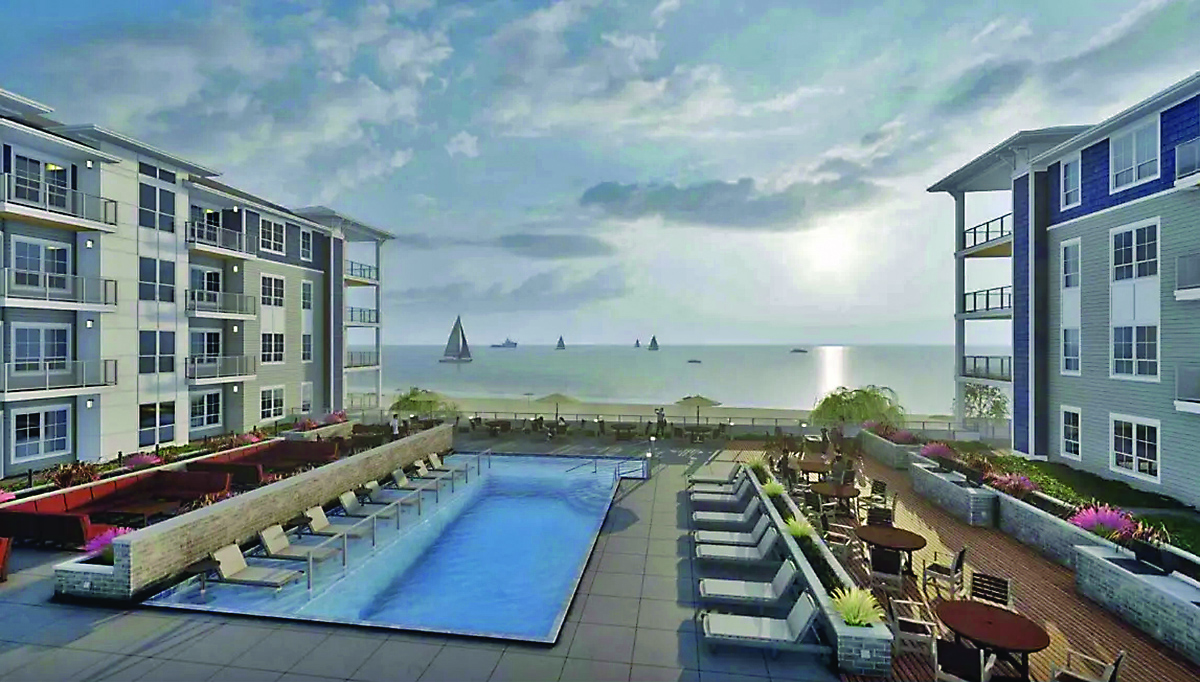

In June, the city of Sheboygan released a comprehensive new housing study that provided an analysis of current housing conditions and future needs through 2032.
Diane McGinnis-Casey, planning and development director for the city of Sheboygan, says while the study revealed housing was the No. 1 critical need identified by Sheboygan businesses, the need for “third spaces” came in as a close second. Third spaces are social environments separate from the home and workplace. These include spaces such as coffee shops, parks, libraries and community centers that provide social interaction and engagement.
Businesses surveyed in the study said these community spaces are essential for their talent attraction and retention strategies.
“When we were able to attract young professionals, we weren’t necessarily able to keep them here in our area because there wasn’t enough to do, especially in the wintertime,” McGinnis-Casey says.
The need for community-galvanizing spaces extends beyond the county seat. Last fall the Sheboygan County Economic Development Corporation identified third places as a priority for its strategic direction and future development.
“We are very cognizant of incorporating third places in our development strategies and in our projects countywide,” says Brian Doudna, executive director at SCEDC.
McGinnis-Casey says the city of Sheboygan is working to reimagine some of its underutilized parks and enhance recreation year round with potential amenities such as an ice skating rink and trampoline park.
There is also a “massive project” to re-envision the city’s lakefront and marina with the goal of expanding park offerings to promote year-round community gathering. The Sheboygan Waterfront & Marina Master Plan revealed last month proposes a $77 million revitalization that would include new docks, a kayak launch, activity spaces, an ice ribbon, concession kiosks, a restaurant and event building, pickleball courts and more.
Doudna says this type of activity remains strong throughout Sheboygan County.
“Many new projects are coming into the marketplace, some that are unique for smaller market communities, and are bringing amenities that have not been seen in the marketplace previously,” he says. “Communities throughout the county have been active in the creation of TIF districts over the years, ensuring that they have the financial capacity to be good partners for projects coming into the marketplace and to proactively ensure that infrastructure is in place in growing their market.”
Housing update
Sheboygan’s housing study revealed a tightening of its market due to supply not keeping pace with household growth, employment growth and wage growth.
“What it showed us is that we need over 5,000 housing units in the next five years,” McGinnis-Casey says. “With that in mind, we’ve been really focused on trying to address those needs in our area.”
She points to the Malibu Apartments, a 210-unit lakefront development designed to revitalize the former Optenberg Iron Works site, as a prime example. “We’re really addressing two needs at the same time with that project,” McGinnis-Casey says. Phase one of this development will include a total of 157 units.
In addition, the city purchased about 280 acres of farmland on its south side, which McGinnis-Casey says is currently being programmed. She anticipates between 1,800 and 2,000 housing units to eventually be located at the site.
“We have about 3,000 housing units right now that we’re in negotiations to construct over the next couple years,” she says. “We’ve come on the radar of a lot of developers, so that’s pretty exciting.”
Increased housing stock is a goal that permeates throughout Sheboygan County. In August, the SCEDC secured 32 acres in Plymouth for the third subdivision of the SCEDC Housing Initiative funded by the Forward Fund, a $10 million community development investment by Johnsonville LLC, Kohler Co., Masters Gallery Foods Inc., Sargento Foods Inc. and Sheboygan County.
“We anticipate over 90 single-family homes will be in the Plymouth subdivision, with an outlot being sold off to a third party developer for multi-family or duplex development adjacent to the single family subdivision,” Doudna says.
This spring, the village of Elkhart Lake received a $200,000 Idle Site Redevelopment grant from WEDC for two housing developments that will result in a total of 120 affordable and market-rate rental units.
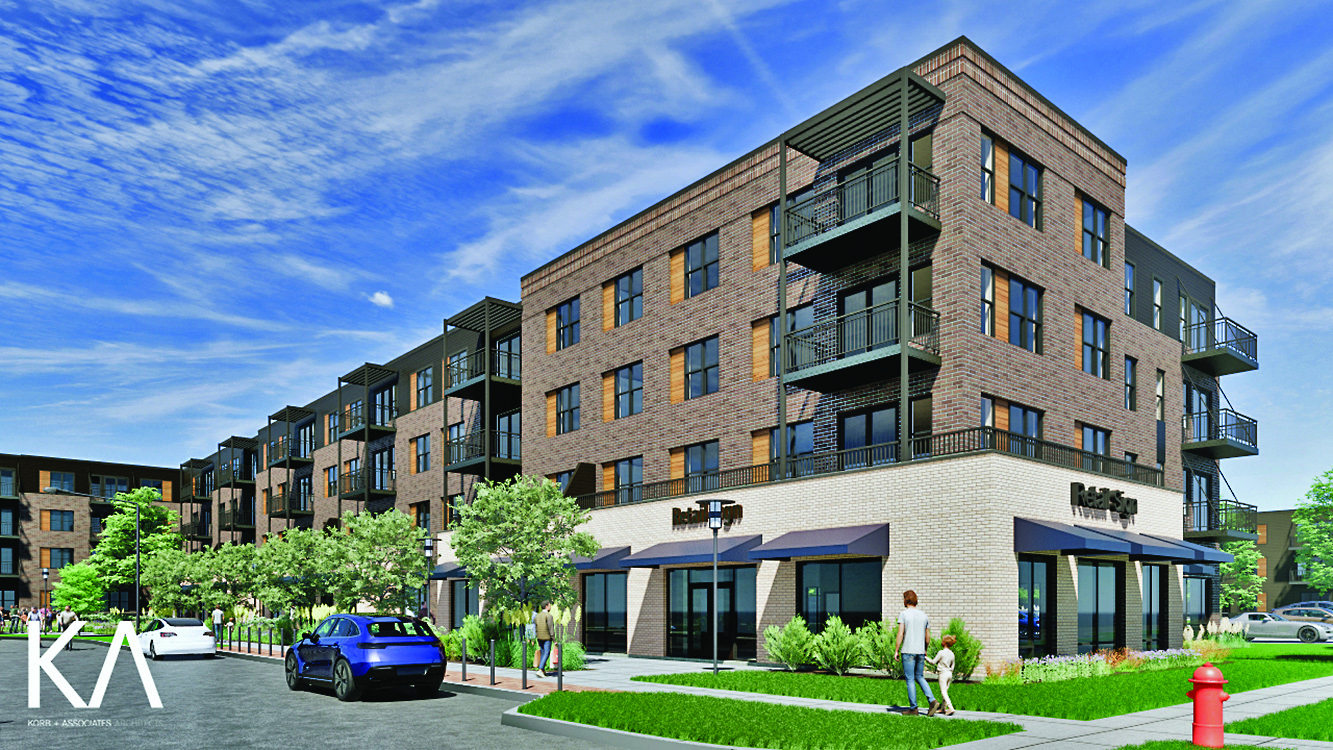
In the town of Sheboygan, the 99-acre mixed-use North Town development has begun leasing apartments. When complete, the development will feature 600 residential units and 100,000 square feet of retail and commercial space.
“This development will incorporate a town square for the community so that this is truly a community building project,” Doudna says.
Other notable developments in Sheboygan County include:
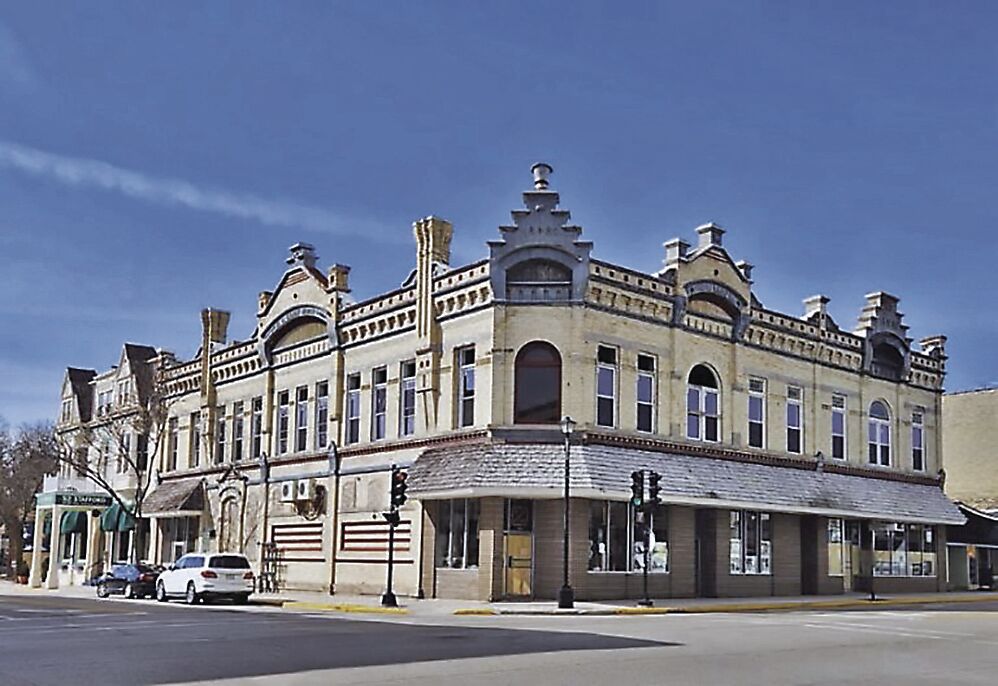
• Sargento’s Gentine family is renovating two historic buildings in downtown Plymouth — the 52 Stafford building and the H.C. Laack building on the southwest corner of Mill and Stafford streets. Doudna says the renovation and site development of those buildings will begin in 2025.
• In September, the city of Plymouth created its seventh TIF district, which Doudna says will spur housing developments as well as a senior living development.
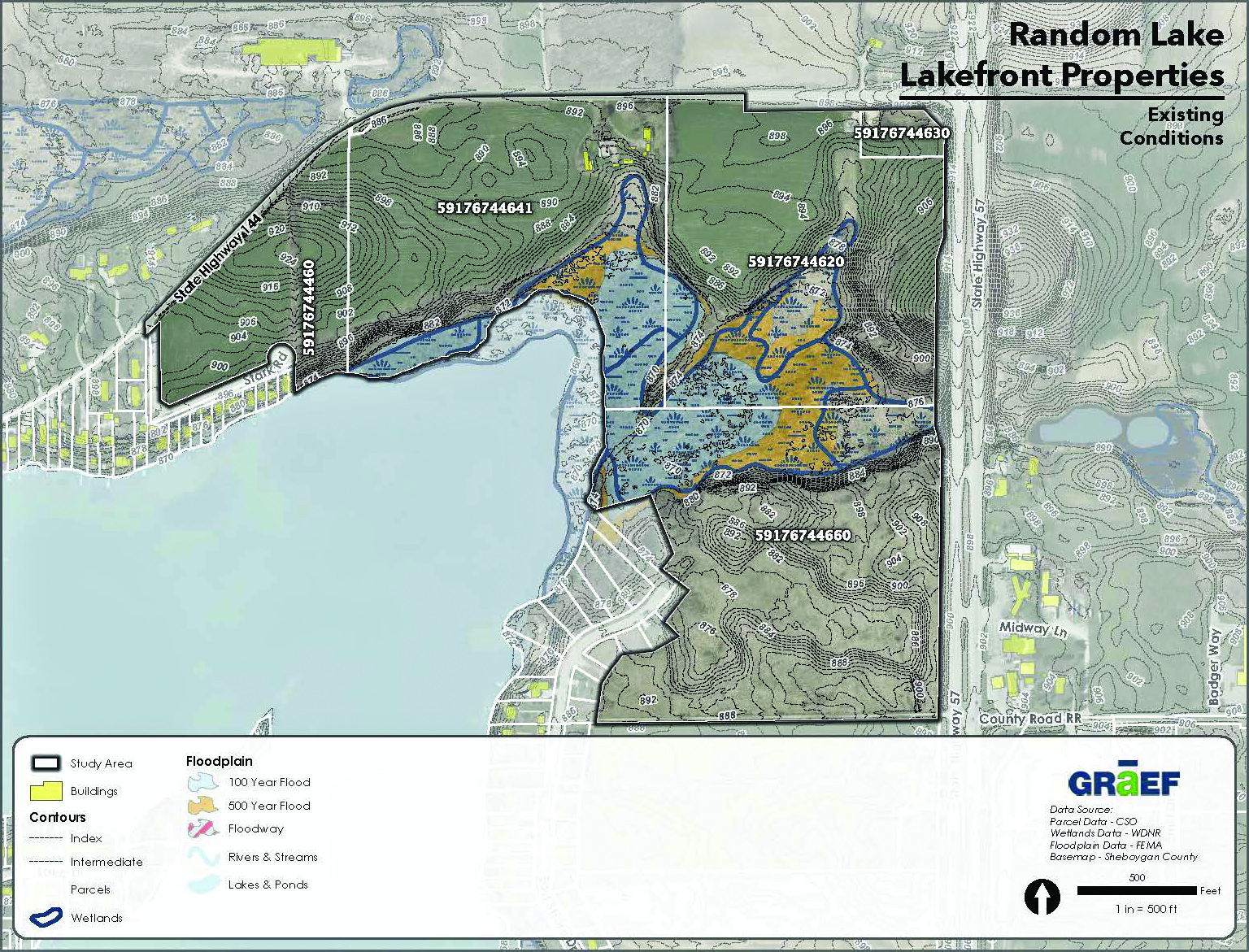
• The village of Random Lake is completing a master plan that provides a land use strategy for more than 200 acres along highways 57 and 144. Doudna says the plan, which recommends both public and private placemaking strategies and redevelopment opportunities, would be a mixed-use development involving multiple developers.
• Sheboygan’s Stephanie H. Weill Center for the Performing Arts will be transformed next year after The Weill Center Foundation received a $2 million grant from the Wisconsin State Building Commission. The Weill Center will be using the grant as seed money to renovate several vacant buildings it owns adjacent to the theater on N. 8th Street.