
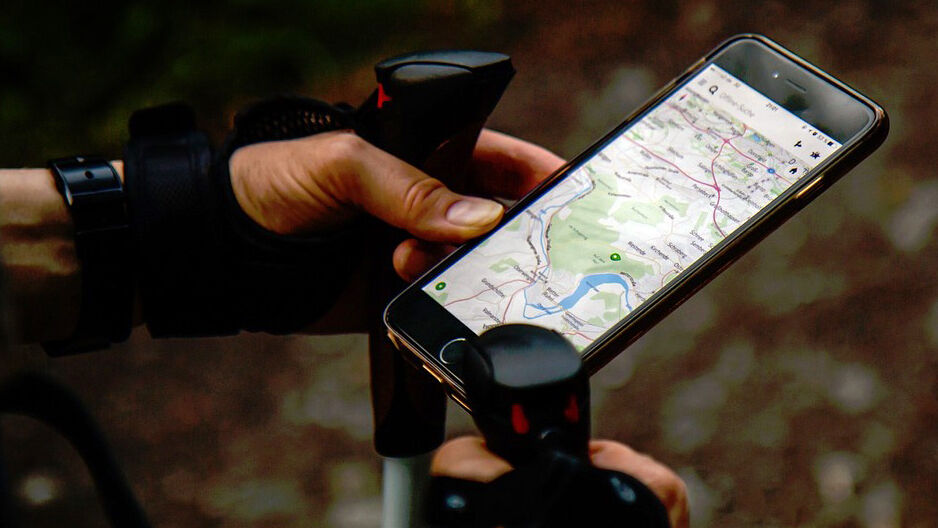

Web 2.0 — a term that describes the rise of “crowdsourcing,” interactive websites, wikis and user-generated content — has a demography problem: The vast majority of its participants live in cities. In fact, says Jacob Thebault-Spieker, assistant professor in the School of Information at the University of Wisconsin-Madison, 1% of people produce 60% of the content on sites such as Wikipedia and OpenStreetMap, and those people largely hail from urban areas.
When there is information shared about rural counties, it is provided on a shorter-term basis — in Wisconsin, this most likely looks like city dwellers using the web while vacationing in rural resort communities. In Door County, for example, the information gap is smaller.
This phenomenon matters not as much because of Web 2.0, Thebault-Spieker explained to attendees of the Wisconsin Rural Economic Summit hosted March 28 by UW Extension, but because of Web 3.0.
When travelers are using navigation software that doesn’t know a rural cafe — or even a country road — exists, they’ll stay on the interstate and patronize an urban chain during a road trip. And that’s an economic liability. But the effect is majorly multiplied when looking at artificial intelligence (AI), the internet’s ultimate user, which bases its information exclusively on the body of knowledge that has been shared online over time.
That’s where, Thebault-Spieker says, the “garbage in, garbage out” axiom manifests in even starker detriment to rural areas. “AI tools are likely to be ineffective for rural communities,” he warned, “specifically because of [these] information gaps.”
Thebault-Spieker’s presentation was eye-opening, though it likely raised more questions than answers. Should rural communities start creating plans to raise their Web 2.0 profiles? Where does this information gap figure into the concept of digital equity, and can or should Digital Equity Act funds be applied to address this issue?
Rural communities have already fallen behind on the physical and information superhighways. Today, we’re talking not about highways but footprints. And for rural counties to step hard enough, it will require examining technology from every angle.