

While many industries took a hit during the pandemic, growth in the secondhand and consignment markets — which already had strong interest — gained momentum as more people purged their closets or turned to pre-owned items to save money.
A 2023 report by the online secondhand clothing and accessory giant thredUP says the resale clothing market grew five times faster than the broader retail clothing market in 2022, with the resale market expected to double by 2027, reaching $70 billion in the U.S. and $350 billion globally.
Similarly, mobile marketplace OfferUp says the re-commerce market — which includes electronics, furniture, home goods and other categories of items — grew twice as fast as the greater retail market in 2021 and will likely reach $289 billion by 2027, according to a 2022 report by the company.
Locally, organizations that are supported by secondhand items are seeing the benefits of this boom. Nonprofit leaders attribute the interest to several factors: desire to reduce cost of living, consumer interest in sustainability and the rising popularity of DIY — as well as hunting for name-brand or vintage goods.
Saving money
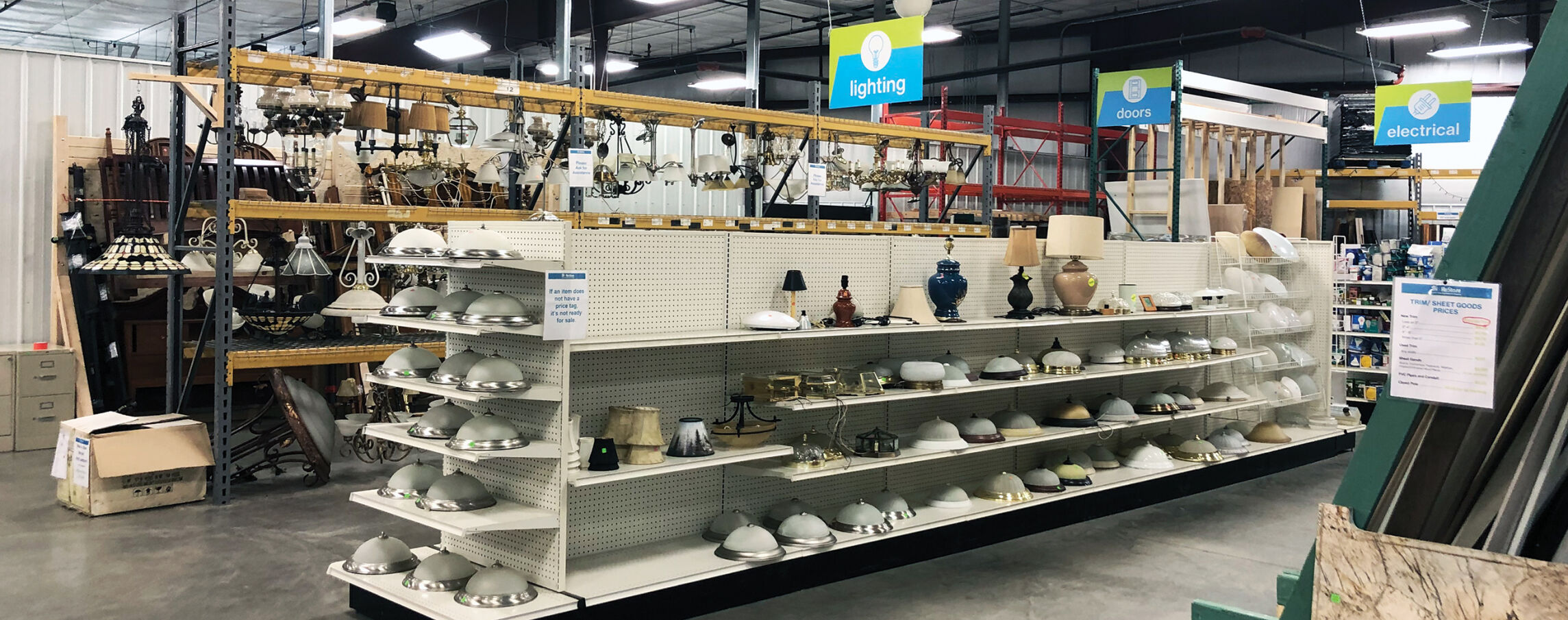
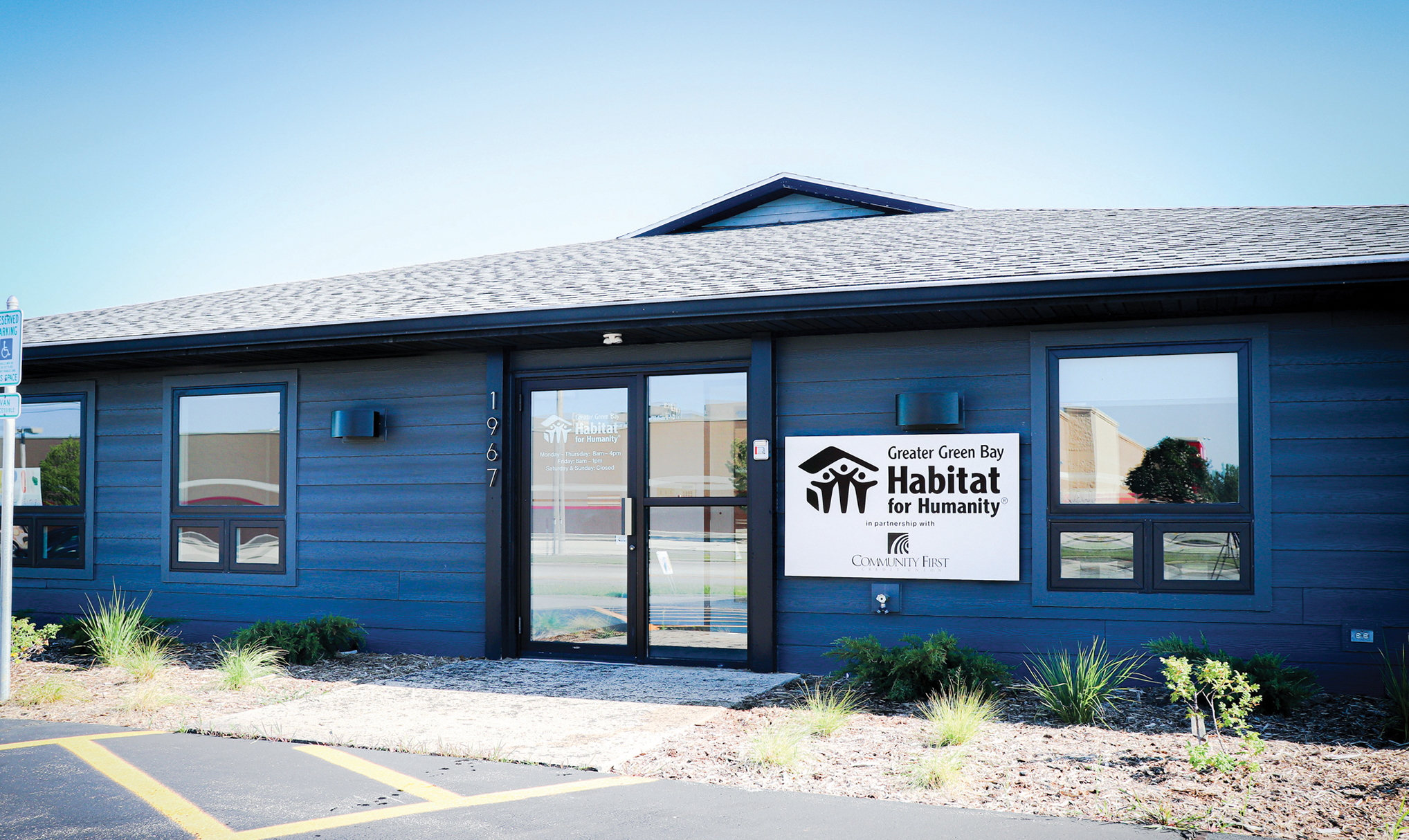
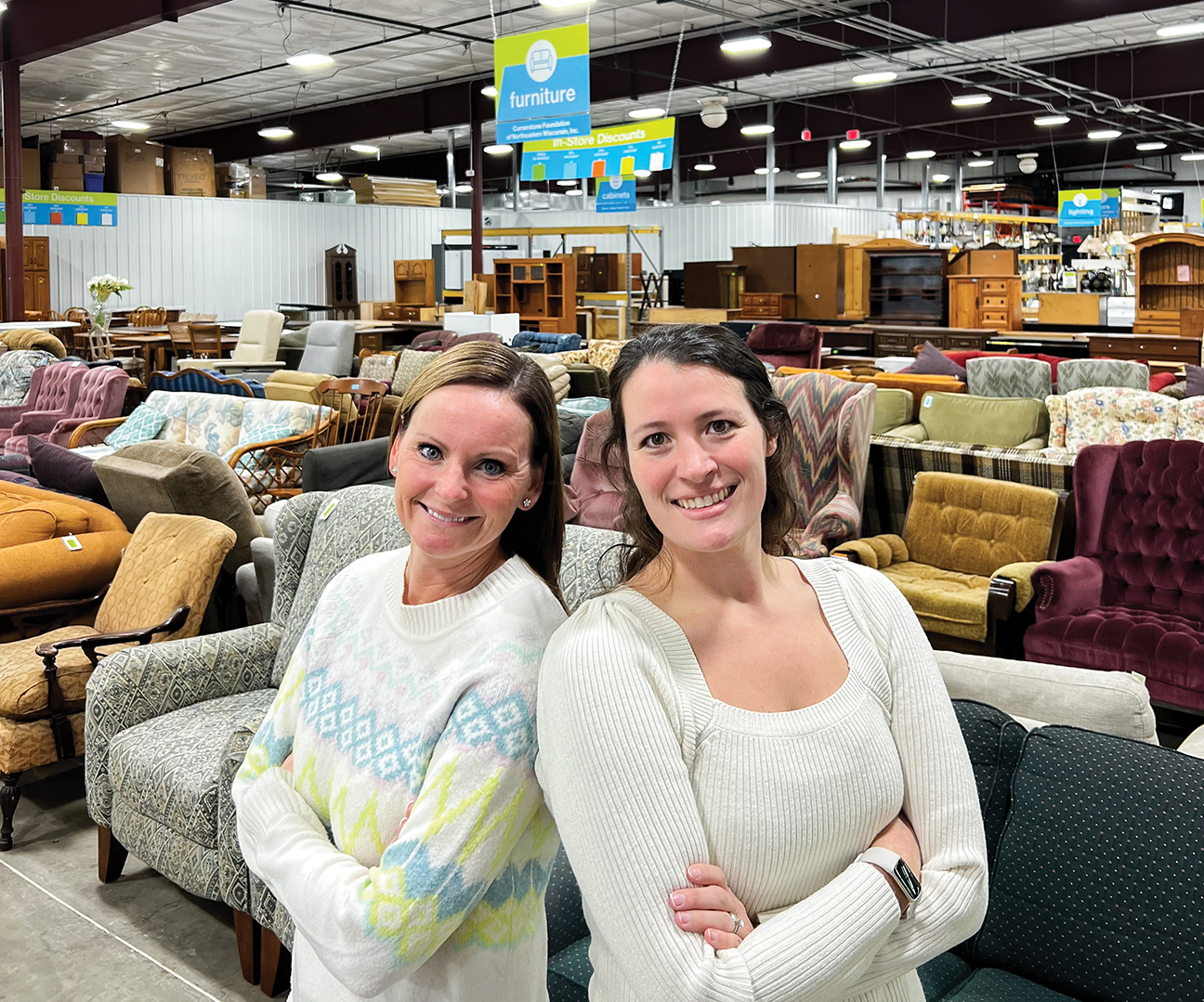
The Greater Green Bay Habitat for Humanity’s ReStore — which is a significant funding arm of the organization, selling donated items to use for home repairs, refinishing or furnishing — has seen a surge in interest in both donations and purchases since moving to its new location in 2018, says Andrea Jorgensen, director of marketing and communications.
“The demand for our consumer is growing,” Jorgensen says. “We see the trend of thrift shoppers going up … they’re looking for things that are friendly on their pocketbook, and they’re also looking for these materials that have good bones.”
The ReStore opened in 2009 on Ramada Way, but when the organization saw a plateau in sales it decided to launch a capital campaign to purchase a new building. The ReStore moved to its new location on Allouez Avenue in 2018, says Greater Green Bay Habitat for Humanity CEO Jessica Diederich.
The new, more spacious building allowed the organization to take larger donations like couches, chairs and other furniture items, which are among the organization’s best selling items, Diederich says.
“That’s shown to be a very big success for us as an organization, because we’ve doubled in annual revenue since we’ve moved over here,” she says. The ReStore has gone from averaging $700,000 in annual sales to more than $1.4 million.
Tools are among the more popular items, particularly toward the end of January when people are working on indoor projects, and the ReStore hosts a tool drive each year to help keep the store stocked, Jorgensen says: “Our demand just skyrockets to the point where we will usually see empty aisles for our tools.”
Flooring is another item in high demand, and community partners will donate leftover materials from buildings, home construction and overstocks. “If you come here on the right day, you might be able to find flooring enough for an entire bedroom,” Jorgensen says.
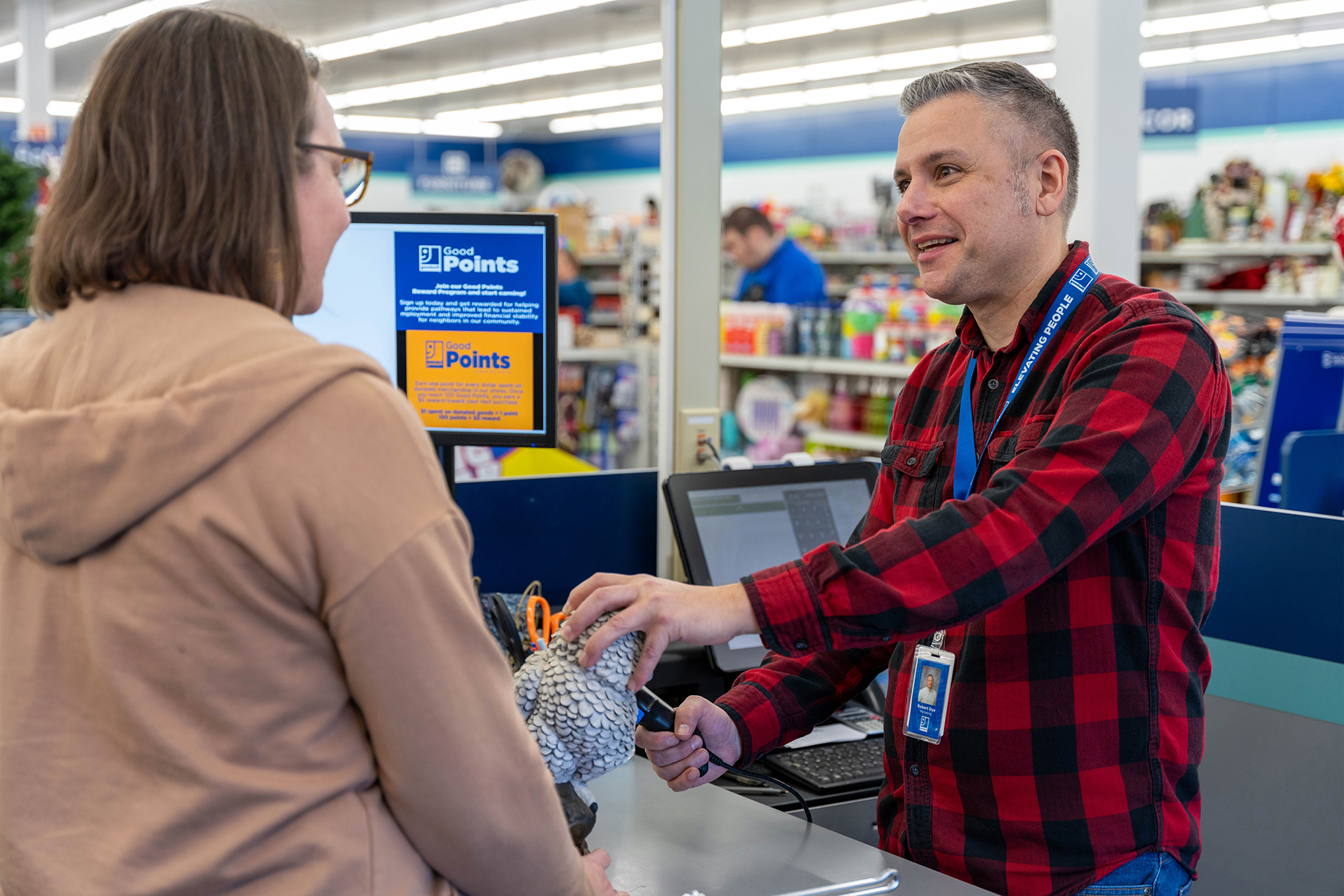
Sales also have grown at Goodwill NCW’s stores in the past few years — especially since the pandemic, says Kristen Rihn, vice president of retail operations for Goodwill NCW.
The thredUp report states that U.S. shoppers in 2022 bought 1.4 billion items of secondhand apparel that they normally would have bought new, which was an increase of 40% over the previous year.
“Our apparel category continues to be our strongest category,” says Rihn, who notes that people often come in during the change in season to seek new items for their wardrobes.
Apparel makes up about 50% of Goodwill NCW sales, Rihn says. Sales of general home goods such as kitchen items, home décor, toys, wicker baskets and books have grown about 7% over last year, now making up about 32% of the organization’s sales, she says.
“We’ve seen a really, really nice increase in customers coming in and looking for those sorts of products,” Rihn says.
Accessories, which include things like purses, shoes, hats, gloves and socks, is a category that has also continued to grow, with about a 14% increase this year over last year, Rihn says.
The store also offers about 10% new items, including some seasonal and lawn and garden items, Rihn says. That means 90% of the organization’s sales result from donations, which have remained steady.
“When donations are strong and we can get them out to the sales floor and we can convert them well to our customers, it’s kind of that perfect cycle,” Rihn says.
Goodwill NCW focuses on eliminating barriers to employment and improving financial stability for people in the community. Socially conscious shoppers understand they’re supporting that mission, and there are shoppers who appreciate that the secondhand market is keeping items out of the landfill, Rihn says.
Focus on sustainability
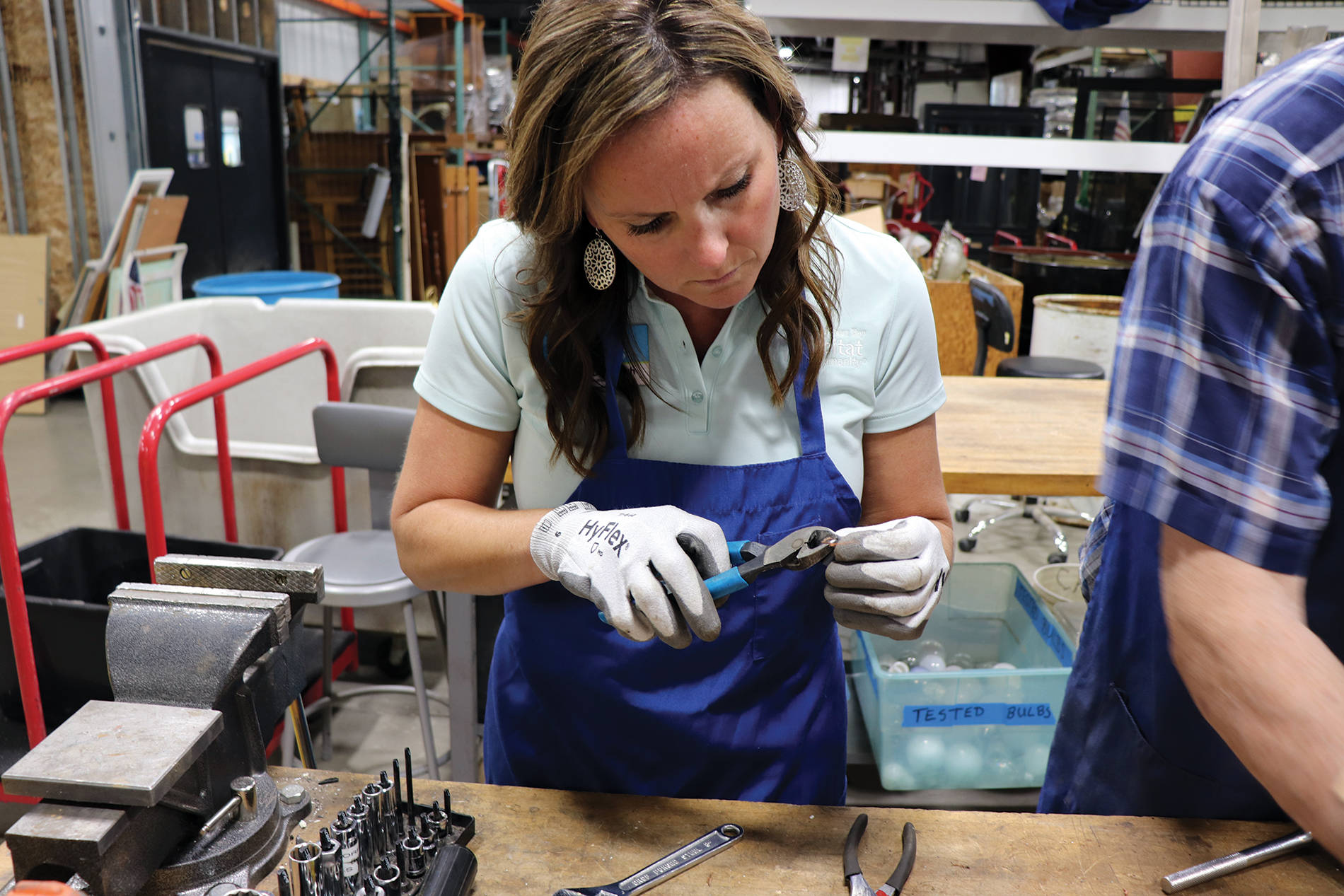
The sustainability side of secondhand shopping is powerful for consumers who are focused on creating less waste. The Green Bay ReStore alone since 2009 has diverted more than 14 million pounds of materials from landfills, and that number continues to grow by a million pounds per year, Jorgensen says, adding: “It’s an incredible lifecycle to be able to bring in resources through community support, and through those donations keep it out of the landfill, and then fund this tremendous mission to build homes in our community.”
The ReStore also has a metal recycling area for items that can’t be resold, she says, and with the ability to pick up large-item donations free of charge, it offers residents and businesses an easy way to let go of those items.
“There’s a lot of businesses and residents that are going through remodels, or downsizing or to work from home, and they have a lot of resources that would have otherwise ended up in landfill,” Jorgensen says.
Community Clothes Closet in Menasha, which provides free clothing to people in need, also says community donations help decrease the number of textiles wasted.
“This helps give clothing a second life and diverts millions of items from the landfill,” said Lisa Jones, executive director of Community Clothes Closet, in an email.
DIY on social media
Jorgensen, who joined Habitat in February 2020, says the ReStore tapped into the popularity of DIY (do-it-yourself projects) on social media during the pandemic, hoping to create interest in items that people might need for home projects as soon as the store reopened.
“I would actually go through the store and provide as many images of the goods we had, and it really sparked — it just went viral,” Jorgensen says.
Since then, the ReStore’s Facebook page has more than doubled its number of followers, which this November was just shy of 15,000.
“People were so engaged,” Jorgensen says. “They wanted to see all of what the ReStore had to offer, because it really is quite a bit.”
People also enjoy finding items to repurpose into new uses for their homes, such as making an old console record player into a cabinet or creating a hallway cubby out of an entertainment center — and then sharing before-and-after shots.
“They’re being inspired to find these projects to do and really create their own piece,” Jorgensen says. “I think people take a lot of pride in finding resources and doing the work themselves to turn into what they want, and what they have a vision for.”
Goodwill NCW also has tapped into that interest in DIY, offering online tutorials for upcycling home goods as well as furniture items.
The OfferUp report states that Americans average 27 minutes a day looking at digital re-commerce marketplaces, just under the 30 minutes daily spent on some social media sites. The company said 93% of shoppers say inflation influences their decision to seek items through re-commerce.
Good bones
Mid-century modern items are highly popular for their high-quality, long-lasting materials — carrying “‘good bones’ that can be refurbished like new,” Diederich says.
“These could be items that are 20, 30, 40, 50 years old, but they’re still in great shape because things were just made so well years ago,” Diederich says.
“People are craving vintage — it has made such a comeback,” Jorgensen says. “Whereas even 15 or 20 years ago, everything had to be brand new.”
The thrill of the hunt is part of what people enjoy about finding vintage and secondhand treasures, Rihn says.
“Across our 35 counties and 20 stores, there are literally tens of thousands of new items going out every day, so it’s a brand new shopping experience daily,” she says.
New items with tags and brand name items are especially popular at the Goodwill NCW stores. These are diverted to its “boutiques” line at some of its stores, showcasing the higher-end brand name apparel items. Boutique sales are up 4.4% over last year, Rihn says.
Everybody likes to share how they found a special item, whether it’s a dress from a vintage shop or a special piece from the ReStore, Diederich says. “People don’t want the cookie cutter items anymore; they want unique things,” she says. “They want that story behind some of the items they’re purchasing — it’s now that badge of honor.”
On the web

