

Last month the Northeast Wisconsin Manufacturing Alliance released the results of its 14th annual vitality index study, conducted by the University of Wisconsin Oshkosh Center for Customized Research and Services with 116 companies responding.
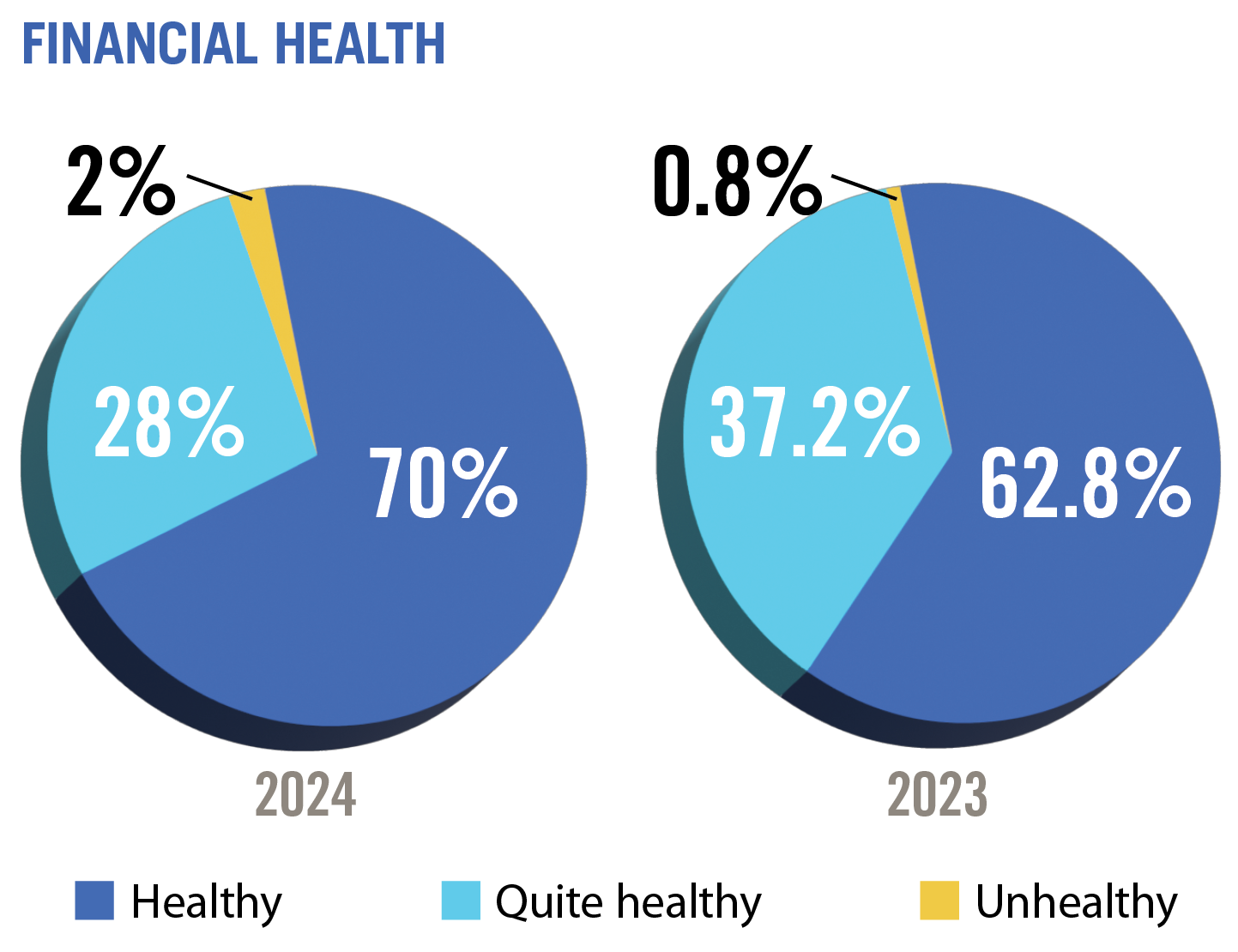
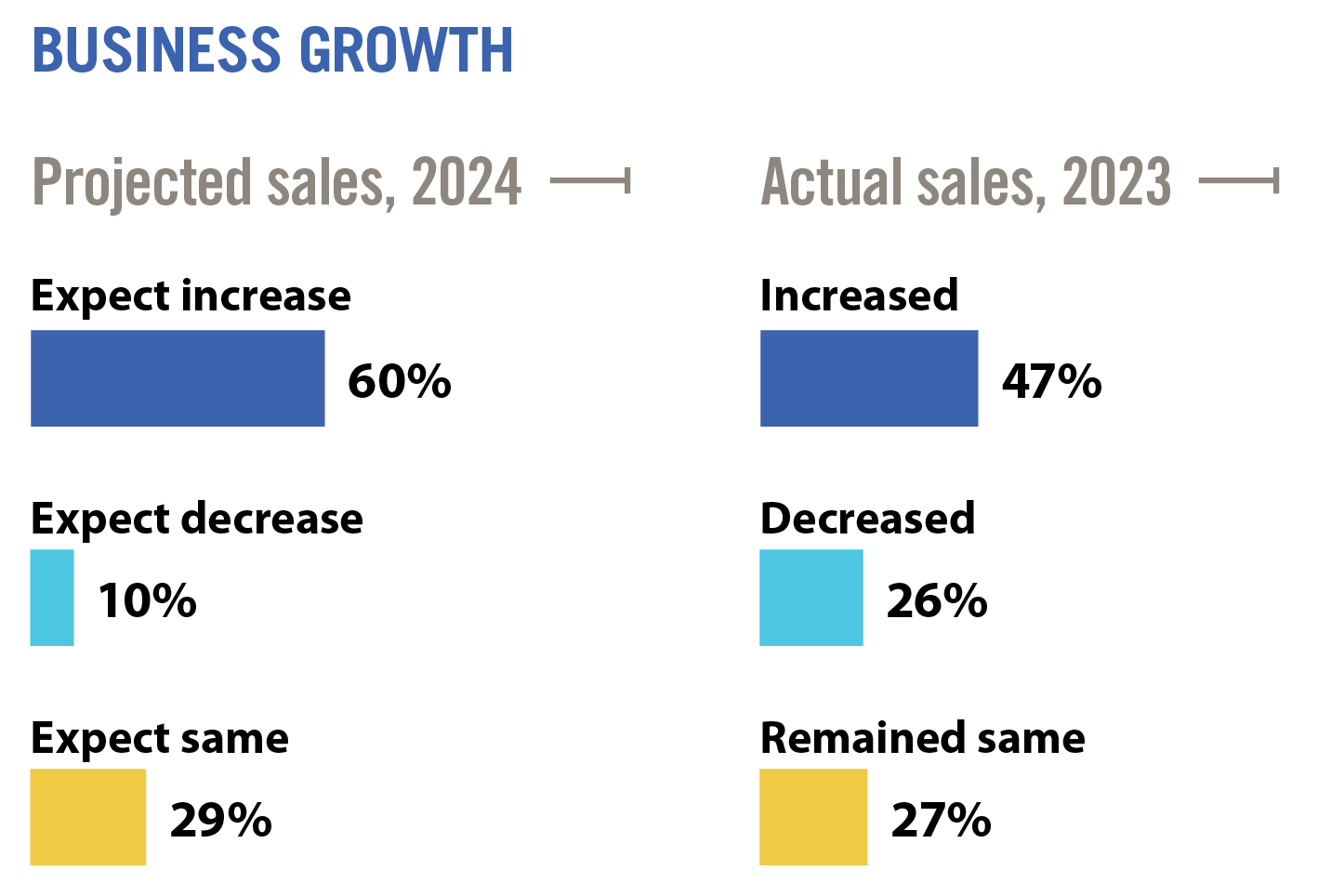
“The study did find that 98% of the participants are financially healthy,” incoming NEWMA Chair Jeff Berg, vice president at Voith US Inc., told attendees at NEWMA’s quarterly membership meeting Dec. 13 in Appleton, where he unveiled the data from this year’s index. “Close to half of the participants shared that their sales increased in 2023, with 63% stating they project higher sales in 2024.”
In addition to increased sales, 6 out of 10 respondents said they plan to invest in plant modernization this year; an additional 20% say they plan to expand within 12-24 months.
“Manufacturing in Northeast Wisconsin is strong, for sure,” Berg said.
Linking in
NEWMA Executive Director Ann Franz says one of the study’s most notable findings was a significant decrease in overall concerns about supply chain. The 2023 index found 98% of respondents reporting constraints; that number dropped to 61% for 2024.
“Supply chain has been easing,” Berg told the NEWMA membership. “That’s good for our businesses; that’s good for our customers as well.”
Franz says pandemic recovery, including businesses along the supply chain coming back up to full staffing, is likely driving this year’s lower number of supply chain issues. Experts have long said that it would likely take through 2024 for the supply chain to fully recover from COVID-19; meanwhile, the development of the “smart” supply chain is helping to improve efficiencies.
Talent crunch
Berg and Franz point to the talent data in this year’s report as particularly illuminating. In the first year of the study (2011), only 29% of respondents said they anticipated difficulty locating and acquiring talent. In the aftermath of the pandemic, that number was at an all-time high of 91%. The number dropped slightly, to 84%, this year, while half of all respondents said they planned to hire in the first quarter of 2024.
Berg told members the NEW Manufacturing Alliance’s mission, which is highly targeted toward addressing this issue, is more important than ever: “Are we creating an exceptional manufacturing experience? What’s the reason to believe? I think the alliance has been really critical in driving that, and a lot of great things are happening.”
Hardest-to-fill occupations
1.Machining/CNC Machining
2.Welding/Fabrication
3.Industrial Maintenance
4.Assembly
5.Engineering
6.Skilled Trades
Leveling up
Computer Numerical Control (CNC) machinists continue to be the hardest positions for Northeast Wisconsin manufacturers to fill, followed by welders, industrial maintenance technicians, assemblers, engineers and skilled tradespeople. But non-technical “employability” skills, or “soft skills,” continue to rank high among employer needs.
Communication, attendance, dependability and work ethic topped the list of in-demand skills, Franz says, which is why NEWMA in October debuted a series of videos entitled “How to be successful in the workplace,” narrated by representatives from 10 regional employers.
The free videos and teacher lesson plans are available at newmfgalliance.org/educators-students/employability-skills/.
Download a copy of the report: newmfgalliance.org

