
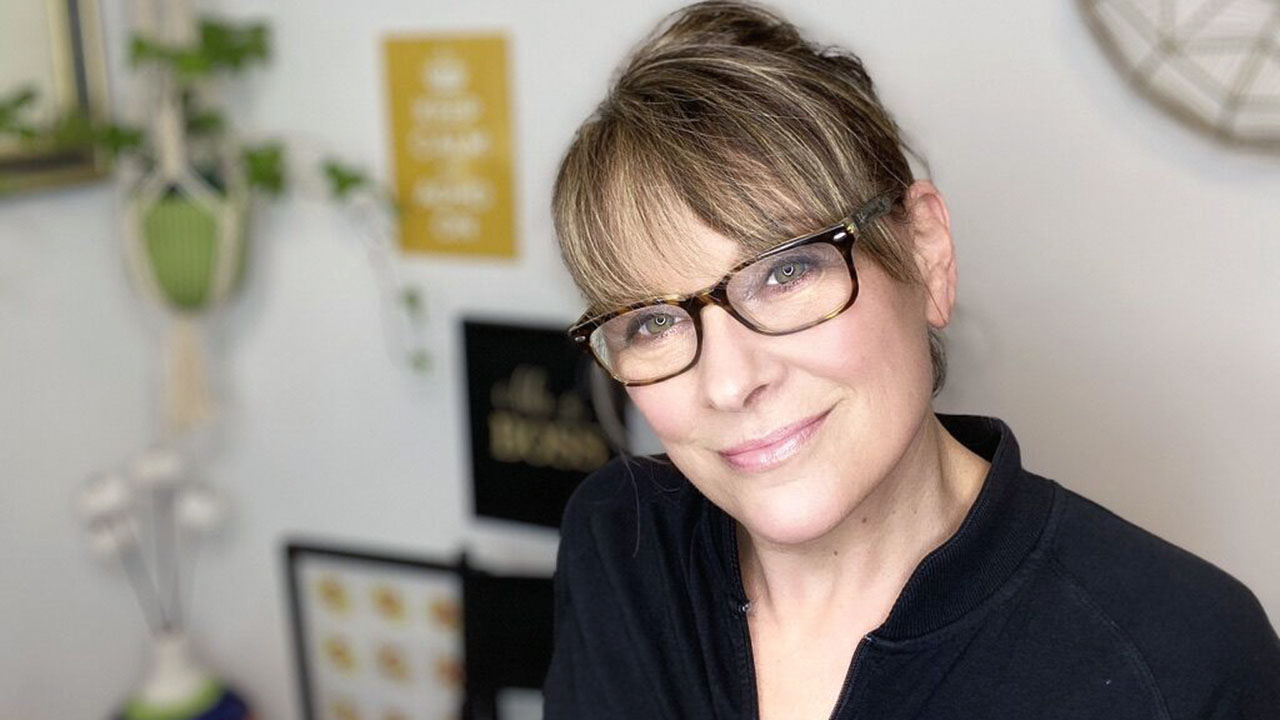

Decades of experience as a licensed therapist left Laura Roberts wondering if there was a way she could help more people.
Roberts says people are more digitally connected than ever, but many still feel isolated, misunderstood and overwhelmed.
“For so many years I have been working with people … I’ve thought so many times ‘I just wish they could all talk together.’ My clients are intelligent and resourceful, and they have strategies,” Roberts says.
Then in a quiet moment she thought maybe an app would help. Excited by the idea, but also realizing she needed technical help, Roberts reached out to Naked Development. When the Irvine, California company accepted her as a client, it told Roberts her experience and expertise would drive the launch. It’s what differentiates PingMe from other wellness apps and online platforms.
Roberts says there are some good apps for mental health, but they mostly put people in silos, and they don’t talk to anyone else. PingMe users will open the app, choose a pod — trauma, stress, ADHD, anxiety, etc. — read conversations and join in if they want. Roberts sees it as a way to help address social isolation, which she calls the largest mental health challenge in the country.
“The point is, you can find your tribe,” Roberts says. “It’s 11 o’clock at night; you’ve lost your job. You’re stressed; who do you talk to? You can go on PingMe and find someone to talk to.”
Roberts also thinks the app might be attractive to people who won’t attend a group therapy session. She says it is often difficult to build a group for face‑to‑face therapy. PingMe is convenient and finds people where they are already looking.
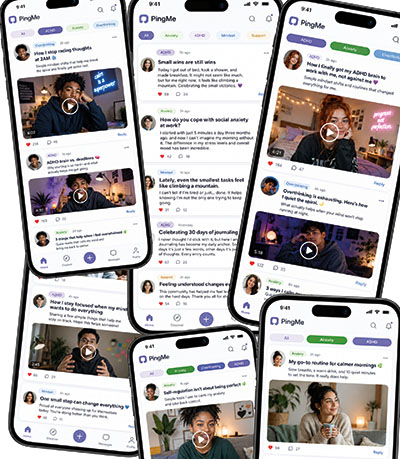
“There are millions of hashtag searches all over the internet. It’s fragmented and it’s unsafe. PingMe brings it home, to one central location where it’s not fragmented and it’s safe,” Roberts says.
As of early July, PingMe has more than 300 pre‑launch signups in all 50 states and four countries.
“I thought the early traction would be local or regional first,” Roberts says. “People are looking for something that sits between traditional therapy and traditional social media — a place where they can find support, shared experience and belonging.”
There also have been signs of interest among health care organizations. Mental Health America Lakeshore invited her to speak, and Hospital Sisters Health System added PingMe to its online resource directory. Roberts says she also has built relationships with Rogers Behavioral Health, Elevate, United Way and the Healthy Sheboygan County‑Positive Mental Health Action Team.
So far, the launch has been self‑funded, but Roberts is open to investment. She says PingMe will be attractive to investors who want to make a difference, not just a profit. Roberts says the business is scalable, grows organically and fills a need that is global.
Roberts, who continues to operate her private therapy practice, says she learned about hard work and critical thinking from her mother, who owned an auto body shop in Milwaukee. She says the hundreds of hours she is investing in PingMe is worthwhile.
“I get really excited because I believe in this so deeply,” she says.
Learn more at pingme.world